
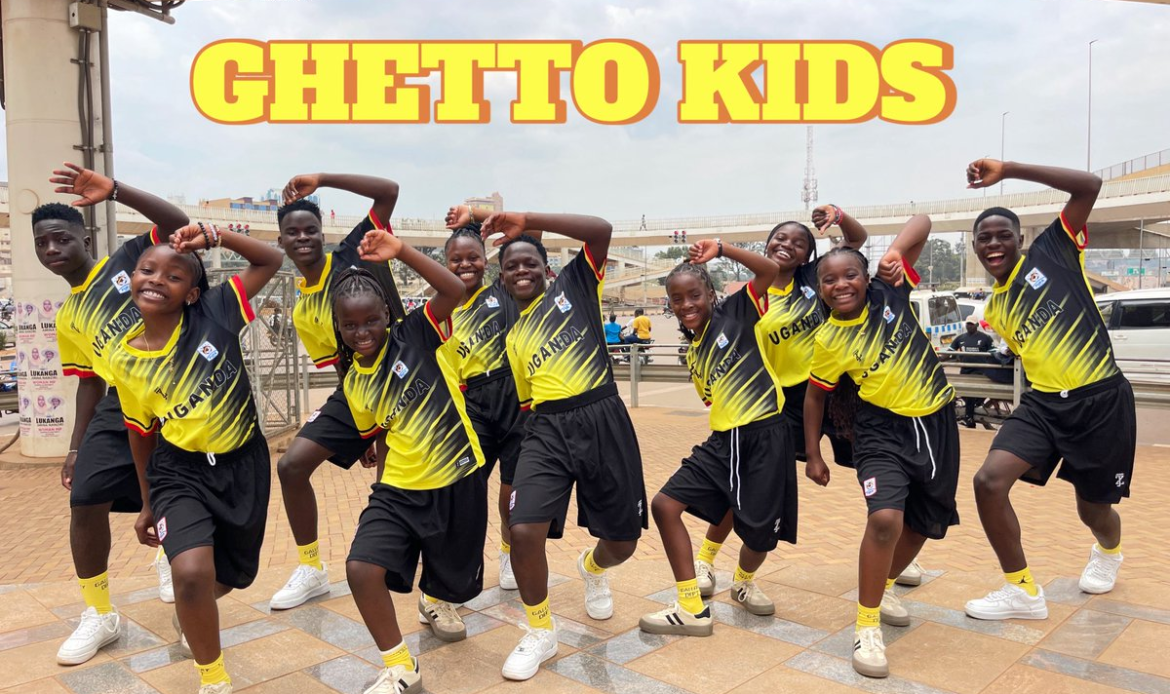
If you had told a group of barefoot kids dancing on a dusty street in Kampala that one day they would share a stage with Shakira at a FIFA World Cup final, it would have sounded like one of those big dreams people laugh off and keep moving. Yet here we are.
The Ghetto Kids, a dance group from Uganda, are heading to one of the most-watched sporting stages on the planet: the FIFA World Cup final at MetLife Stadium in New Jersey. And this time, they are not just spectators of global culture. They are part of it.
This is a story that stretches beyond choreography and music. It is about visibility, talent that refuses to stay hidden, and a generation of young Africans rewriting what global stages look like.
From Kampala’s Dusty Streets to Global Screens
Read: Shakira and Burna Boy Set the Stage for the 2026 FIFA World Cup with “Dai Dai”
The story of the Ghetto Kids begins in Kampala, Uganda, where a group of children turned everyday hardship into rhythm, movement, and expression. What started as an informal street dancing quickly evolved into something much bigger when a viral video featuring their performance to Eddy Kenzo’s ‘Sitya Loss’ spread across social media in 2014.
That moment changed everything. The group, now made up of dozens of children aged between 4 and 16, many of whom grew up in vulnerable circumstances, found themselves suddenly in front of global audiences. What made them stand out was not just technical dance skill, but joy. Raw, unfiltered, almost defiant joy.
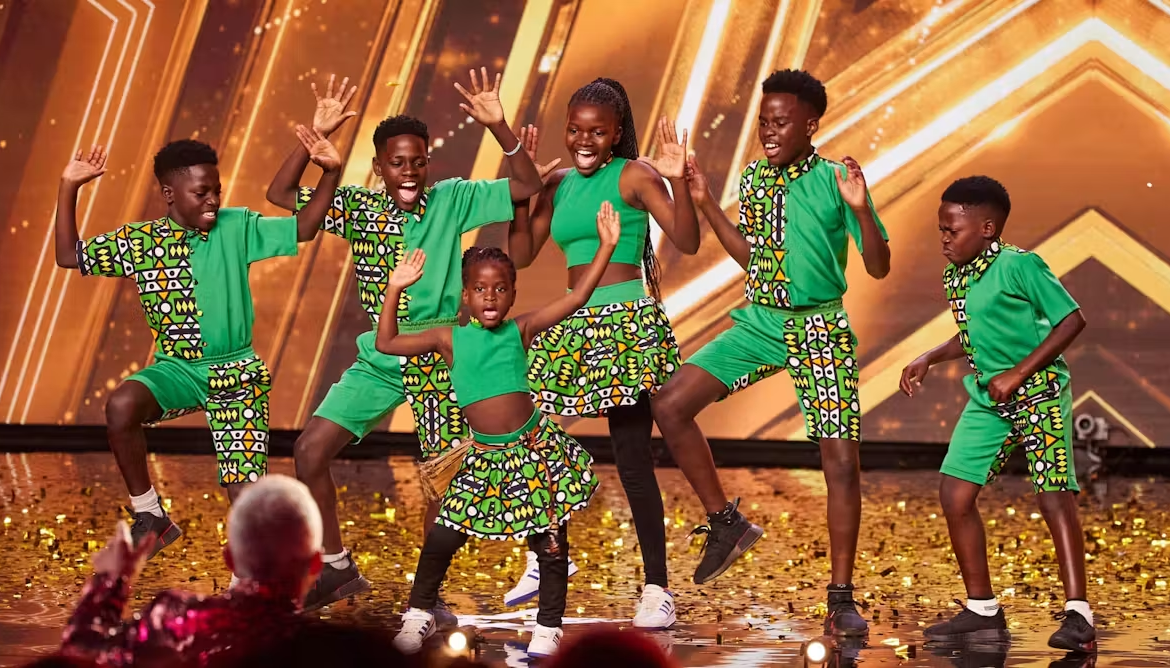
Over the years, they refined their craft, moving from barefoot street performances to polished international stages. Their journey has taken them to major platforms, including European football stadiums and global talent shows. But even as their audience grew, they stayed rooted in the same energy that made them viral in the first place: storytelling through movement.
For many of the children, dance became more than expression. It became a structure, an opportunity, and a path forward.
The Shakira Invitation and the World Cup Moment
The next chapter of their journey came with a message that felt almost unreal. Shakira announced that the Ghetto Kids would join her performance at the FIFA World Cup final, part of the official entertainment lineup for football’s biggest night.
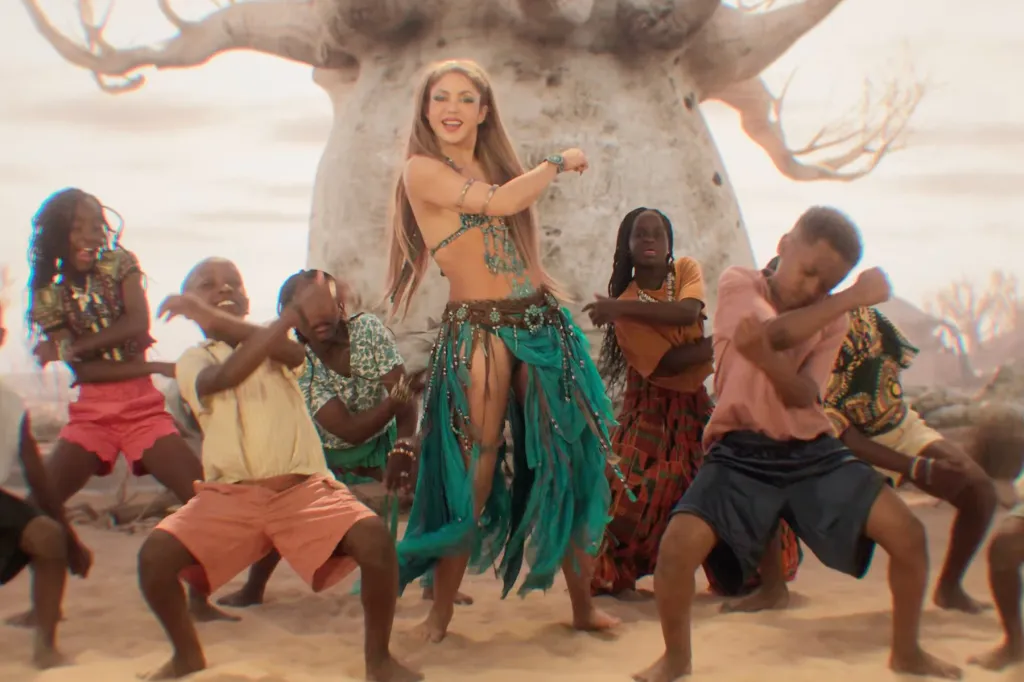
The group had already appeared in her World Cup anthem video, but this invitation takes things to a whole new level. It places them at the centre of a global broadcast expected to reach billions of viewers.
For the children, the reaction was immediate and emotional. Excitement, disbelief, and gratitude all mixed into one moment. Some described jumping up and down when they heard the news. Others simply said they could not wait to show the world what they can do.
It is worth pausing here for perspective. The FIFA World Cup final is not just another performance slot. It is one of the most-watched live events globally, a stage where careers, cultures, and moments often become permanently etched into global memory.
And now, a Ugandan dance group built from grassroots creativity will be part of that story.
Read: Tyla Wins Double Awards at the 2026 AMAs
Why This Moment Matters Beyond the Stage
At first glance, this might look like a feel-good entertainment headline. But there is something deeper happening here.
The Ghetto Kids represent a shift in how African talent is discovered, shared, and celebrated. Their rise has been powered not by traditional gatekeepers but by social media, community storytelling, and consistent creativity. In many ways, they are a product of a new global culture where a phone camera can become a launchpad.
There is also something powerful about what they represent for young people across the continent. They are proof that visibility is no longer limited by geography. A street in Kampala can connect directly to a stadium in New Jersey, without asking for permission.
Their journey also reflects resilience. Over the years, the group has navigated personal loss, changing environments, and the challenges that come with growing up in vulnerable conditions. Yet they continue to evolve, train, and perform at increasingly higher levels.
And now, they step onto a stage that will amplify that journey to the world.
If stories like this inspire you, follow RefinedNG for more uplifting African stories that spotlight creativity, progress, and excellence across the continent. Share this piece and join the conversation on how African talent continues to shape global culture.