
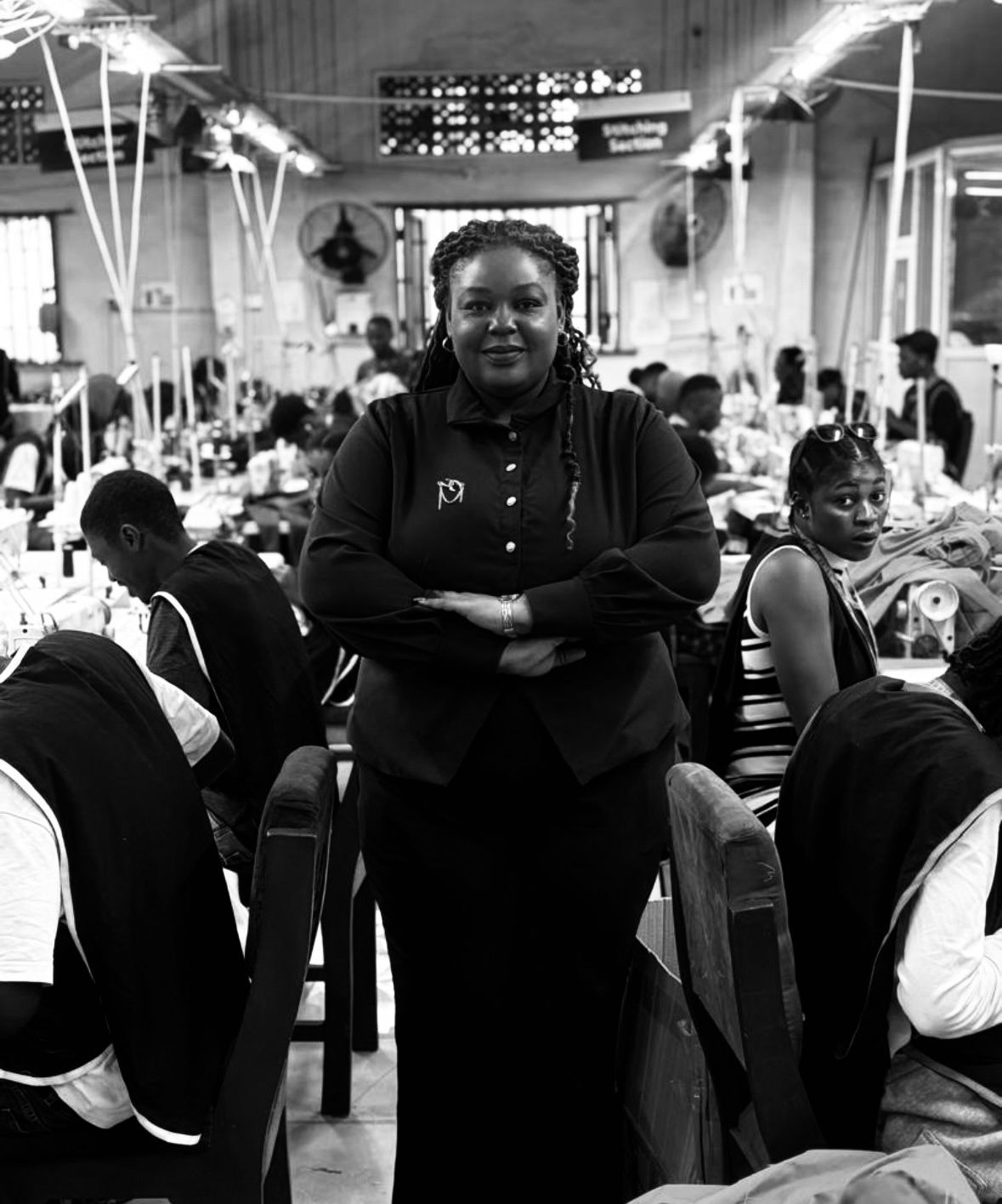
On paper, the organisation was ready for its next phase of growth. Its structures needed strengthening, decision-making had to improve, and new capabilities developed. Yet as the work progressed, Faith Abakada recognised that the most demanding part of the transformation had everything to do with people.
An organisation may be ready to evolve, but the people within it may not understand what the changes will mean for them. New ways of working often require people to leave behind roles, routines and systems that have become familiar. The experience encouraged Faith to place greater emphasis on communication and alignment.
Today, as Chief Operating Officer at SKLD Integrated Services, Faith has built her career around helping organisations navigate growth and change. She has worked across several industries, each with its own demands, but one pattern has remained consistent: ambition often develops faster than the capabilities required to support it.
Faith Abakada has seen organisations with clear goals struggle because their foundations were not developing at the same pace as their ambitions. The challenge is rarely a lack of vision. The more difficult question is whether their people, systems and processes are ready.
Alongside strategy, she pays close attention to execution, the accountability structures, operating systems and organisational capabilities that determine whether success can be sustained. Faith understands that developing capacity is crucial to sustained growth.
Rethinking What Leadership Requires

Some of Faith’s most important leadership lessons came from examining her own approach. Earlier in her career, her instinct was to take ownership of problems and drive solutions herself. The approach delivered results, but over time, she began to recognise its limits.
When progress depends too heavily on one person’s energy and involvement, an organisation may continue to deliver without developing the strength to operate independently.
That realisation reshaped Faith’s understanding of leadership. Today, she remains focused on outcomes while investing more deliberately in the systems, confidence and capabilities that allow others to deliver. For her, the true test of leadership is whether progress can continue after the leader steps away.
Her leadership philosophy has also been shaped by some of the more difficult decisions that come with responsibility. At one point in her career, she had to recommend a structural change that significantly affected someone who had worked hard and contributed genuinely to the organisation. There was no performance issue on either side. The business had simply evolved to a stage where the existing structure no longer served what it needed to become.
That experience reinforced another important lesson. Leadership means holding empathy and accountability at the same time. For Faith, making the right decision is only part of the responsibility. How those moments are handled, with honesty, respect and clarity, matters just as much as the decision itself.
She applies the same thinking to the distinction between growth and scale. Growth may increase revenue, reach or headcount. Scale requires the organisation’s capacity to strengthen alongside that expansion. Without the right foundations, a business can become larger while also becoming more vulnerable to pressure.
Curiosity as a Leadership Practice
Curiosity has remained central to Faith’s development. Throughout her career, she has deliberately entered unfamiliar industries and environments, sometimes before she had mastered their language or context.
For Faith Abakada, curiosity means having the humility to learn before attempting to lead. You need to understand how an environment works, ask thoughtful questions and resist the temptation to draw conclusions too quickly.
That mindset has helped her navigate organisations at different stages of maturity while remaining guided by a simple belief, leaders who stop learning eventually limit their own growth.
A Changing Measure of Success

Looking back, Faith would tell her younger self to remain ambitious while recognising that the meaning of success will change.
Early in a career, progress is often measured through personal milestones. With time, the measure expands to include the people a leader develops, the problems they help solve and the impact that remains long after they have left the organisation.
She would also remind herself not to rush through difficult seasons. Growth rarely feels like growth while you are living through it, she believes. Some of her most valuable lessons about leadership, people and judgement came from experiences that did not go as planned. Those are the seasons where judgement is formed, and judgement is what leadership ultimately runs on.
Colleagues describe Faith Abakada as driven, intentional and consistent. Friends see her as dependable and resourceful, while her family knows her as independent, curious and determined.
Faith sees care as the thread connecting those qualities: care for people, quality, contribution and the responsibility to do things properly.
For her, these descriptions represent more than personality traits. They reflect what she hopes people experience when they work with her: a commitment to excellence, an openness to learning and a genuine desire to leave every organisation, team and individual stronger than she found them.
Faith Abakada continues to help organisations look beyond growth as a measure of success and focus instead on building the people, systems and capabilities that make growth sustainable. In a business environment where speed is often celebrated, her work is a reminder that lasting transformation is built with purpose, discipline and the courage to prepare organisations for what comes next.
At RefinedNG, we spotlight Africans whose work, leadership and ideas are shaping industries, communities and the future of the continent. Follow RefinedNG for more stories of impact, innovation and purposeful leadership.