
For decades, African women have taken the Miss World stage and turned their victories into moments of national pride, cultural representation and personal achievement. While the competition is centred on beauty and presentation, the stories behind Africa’s five winners reveal very different paths to the crown.
Only three African countries have produced Miss World winners: Egypt, South Africa and Nigeria. Here are the five women who made history.
Antigone Costanda: Egypt’s First Crown
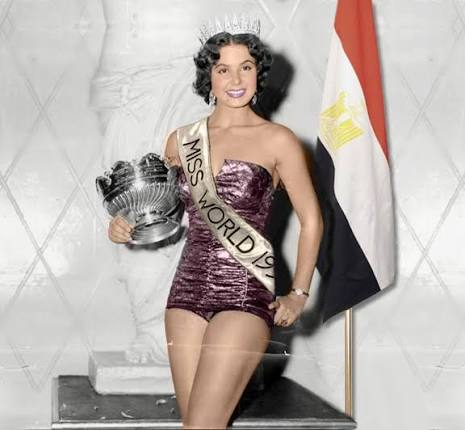
In 1954, Antigone Costanda became the first woman from Africa to win the Miss World title. Born in Alexandria, Egypt, Costanda was of Greek-Egyptian heritage and was known for her modelling career and multilingual abilities.
Her victory came only a few years after the Miss World competition was established in 1951. At a time when international pageantry was still heavily centred around European contestants, Costanda’s win marked an important moment for African representation.
Her reign also reflected the complicated relationship between pageantry and world events. Political tensions surrounding the Suez Canal meant she could not return to London to crown her successor the following year.
Penelope Coelen: South Africa’s First Winner
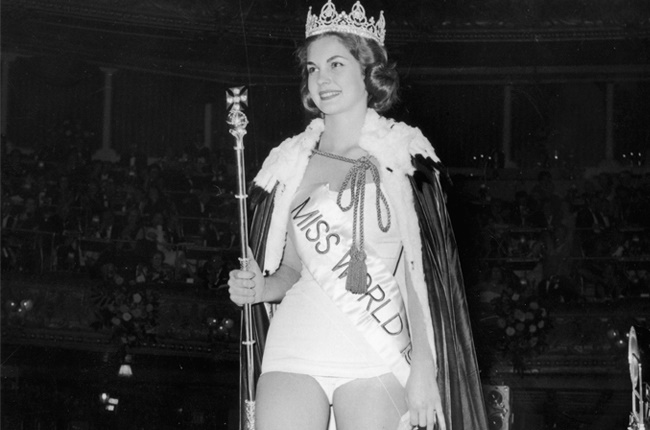
Four years later, South Africa produced its first Miss World winner when Penelope Anne Coelen claimed the crown in 1958. Born in Durban, Coelen was 18 when she won the competition.
Her victory brought international attention, leading to opportunities in modelling, entertainment and business. She later launched fashion and perfume ventures and remained a recognised figure in South African popular culture.
Coelen’s win also established South Africa as a major force in international pageantry. More than a decade later, another South African would inherit the crown.
Read: Uganda Crowns Mitchelle Daka as First-Ever Miss Universe Representative
Anneline Kriel: The Crown She Inherited
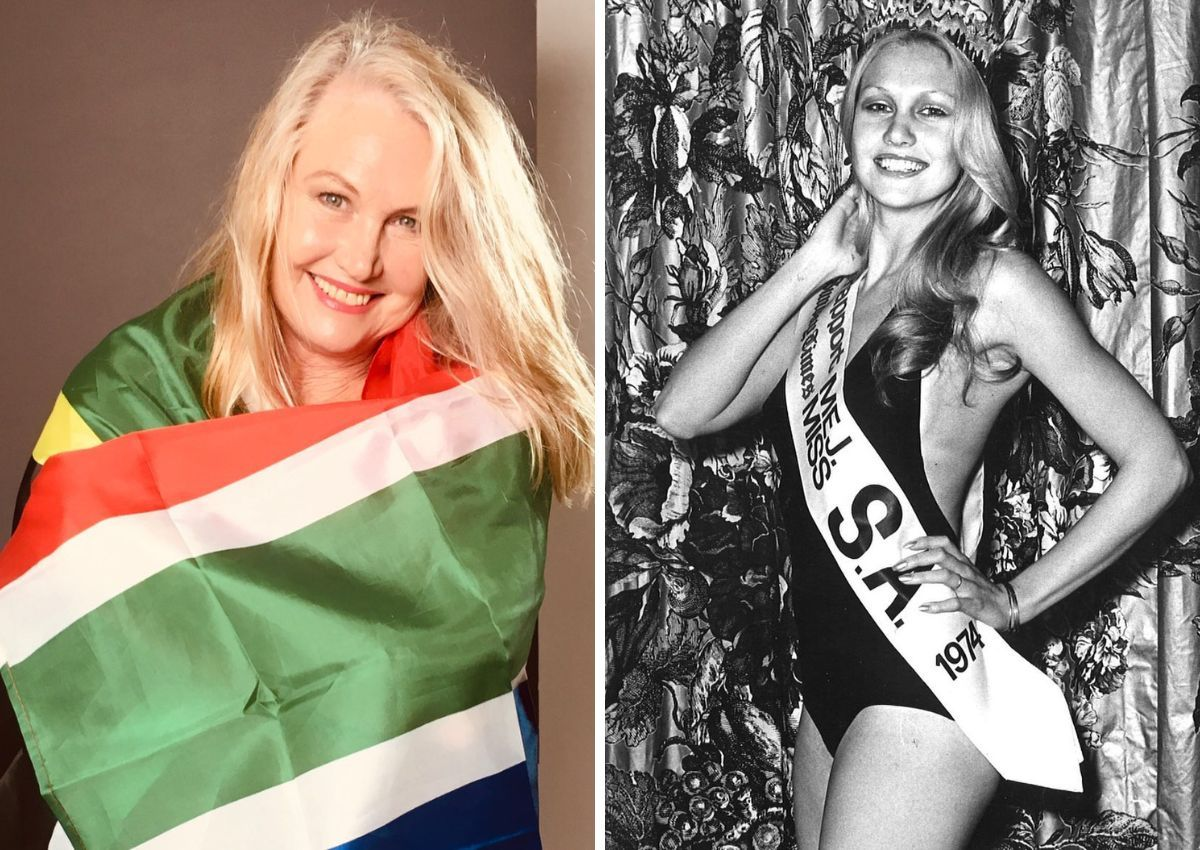
Anneline Kriel became Miss World in 1974 under unusual circumstances. She had finished as first runner-up before the reigning winner, Helen Morgan of the United Kingdom, resigned four days after being crowned.
Kriel subsequently assumed the title and became the second South African woman to hold the Miss World crown.
Her reign took place during South Africa’s apartheid era, making her title particularly complicated. Her participation attracted political protests and criticism in several countries, demonstrating how international pageantry could become entangled with the politics of the countries contestants represented.
Agbani Darego: Nigeria Makes History
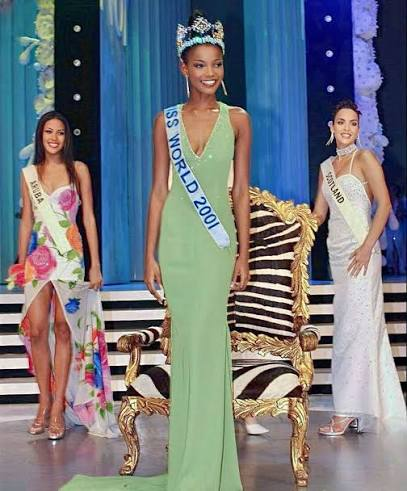
In 2001, Agbani Darego made history when she became the first Nigerian to win Miss World. Her victory was especially significant because she was the first indigenous Black African woman to claim the title.
Darego, who was 18 at the time, had already represented Nigeria at Miss Universe earlier that year, where she reached the top 10. Her Miss World victory transformed her into an international figure and opened the door to a successful modelling career.
Beyond the crown, Darego’s achievement became a landmark for representation in global beauty pageants. Her presence challenged narrow ideas about who could represent beauty on an international stage and inspired greater visibility for African women in the fashion and beauty industries.
Rolene Strauss: Beauty With a Purpose

South Africa returned to the top in 2014 when Rolene Strauss won the Miss World title. Strauss brought a different dimension to the competition. She was studying medicine at the University of the Free State when she won the crown.
Her background became an important part of her public identity. During and after her reign, she remained involved in health and women’s empowerment initiatives, including advocacy around menstrual hygiene.
Strauss later completed her medical education, becoming a physician and continuing her work in advocacy and public speaking.
Read: Tamunosoye Karibi-George Crowned Miss World Nigeria 2026
A Legacy Beyond the Crown
From Costanda in 1954 to Strauss in 2014, Africa’s Miss World winners have represented different generations, countries and experiences. Their stories show how a pageant crown can become part of broader conversations around representation, culture, identity and social impact.
For Africa, their victories remain part of the continent’s colourful history on the global pageant stage.
Which of these African Miss World winners do you remember most? Explore more stories celebrating African women, culture and achievement on RefinedNG.