
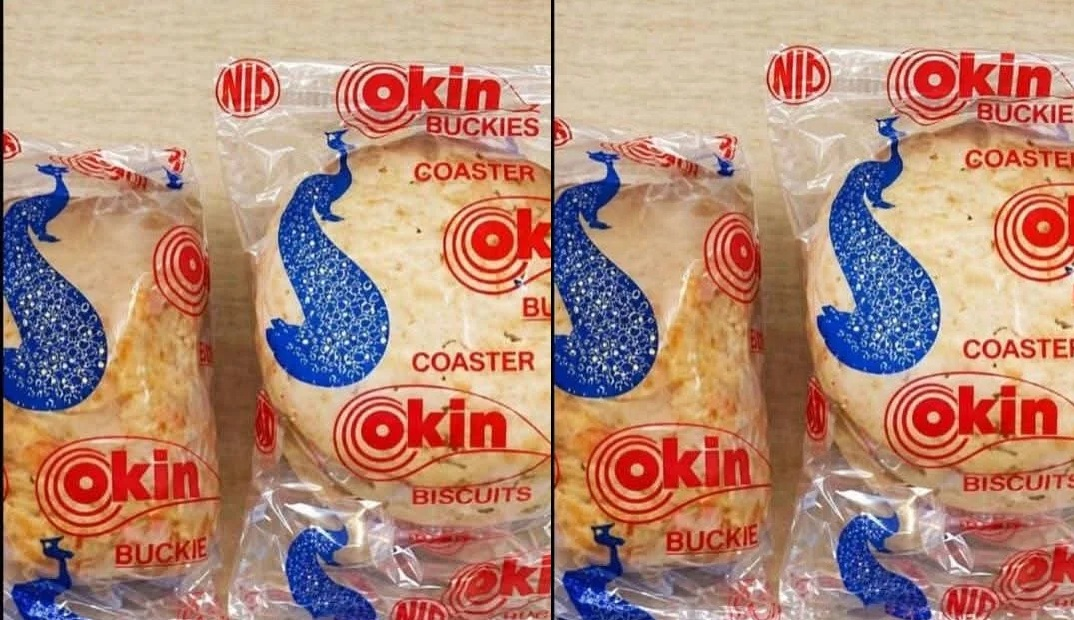
For many Nigerians who grew up in the 1980s and 1990s, Okin Biscuits was a familiar name. Varieties such as Coaster, Shortcake and Cabin were part of the country’s growing appetite for locally made snacks.
Now, after 17 years of silence, the machines at the company’s factory in Offa, Kwara State, are running again.
Biscuits recently rolled off one of the factory’s rehabilitated production lines for the first time in nearly two decades, marking an important milestone in efforts to bring the iconic Nigerian brand back to the market. The company has, however, made it clear that full commercial production has not yet resumed. The latest exercise was a technical trial to test whether the long-dormant machinery could be restored to operation.
Read: Nigerian Startup Intron Launches New African Voice AI Model
Bringing a Silent Factory Back to Life
Reviving the factory has required more than simply switching the machines back on.
During the years it remained inactive, critical components were stolen from the facility, including cables, motors, frequency drives, contactors and other electronic equipment. These had to be replaced as part of the rehabilitation process before the production line could run again.
For the company’s team, the first production run was not about getting the perfect biscuit.
They were not yet focused on colour, appearance or reproducing the final Okin recipe. The immediate question was whether a production line that had been silent for 17 years could work again.
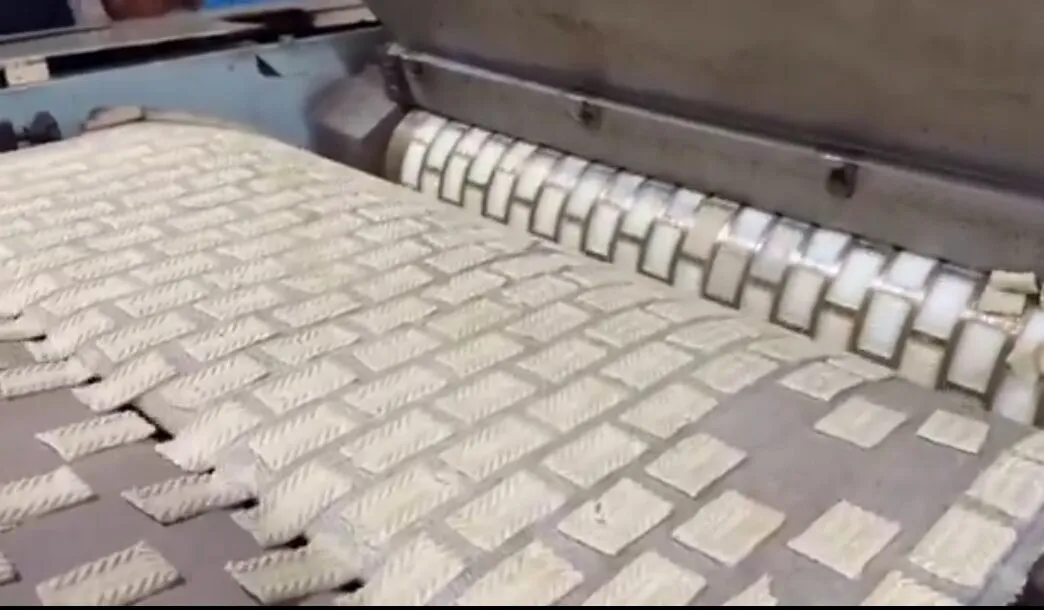
It could.
The successful run marked a significant technical milestone, with the machinery operating, the ovens firing and biscuits coming off the line once more.
The factory also received another boost on the same day when the Ibadan Electricity Distribution Company reconnected the facility to the 33kV Band A electricity grid. The power connection is expected to support the ongoing rehabilitation, testing and commissioning work required before the factory can return fully to commercial production.
More Work Before Okin Returns to Shelves
The successful trial does not mean Okin Biscuits is immediately returning to supermarkets and shops.
The company says more testing, calibration and rehabilitation are still required. There is also the challenge of ensuring that the final product meets the quality and taste that consumers remember.
That part of the revival may be just as important as getting the machinery running.
Okin was founded in 1980 and grew into one of Nigeria’s recognisable indigenous biscuit brands before the factory’s lengthy shutdown. Its return could rekindle consumer interest in a brand associated with generations of Nigerian consumers while restoring manufacturing activity at the Offa facility.
The company is taking a measured approach to the comeback. Rather than rushing products back into the market, the focus remains on getting the factory and production process right first.
Read: Nigeria’s New Digital Postcode System Launches October 1: What You Need to Know
A New Chapter for a Familiar Nigerian Brand
The revival of Okin comes at a time when local manufacturing continues to face difficult operating conditions, from infrastructure challenges to rising production costs and intense competition.
That makes the return of a factory that has been dormant for nearly two decades particularly notable.
At its peak, Okin was more than just a biscuit brand. Its factory represented local production and economic activity in and around Offa. Bringing the facility back to life could eventually restore some of that activity while giving a familiar Nigerian brand another opportunity to compete in the country’s fast-moving consumer goods market.
For now, the company still has work to do before a full commercial relaunch.
But after 17 years, the most important first step has happened: the machines are running again.
“One step at a time. Okin is coming back.”
Follow RefinedNG for more stories on Nigerian businesses, iconic brands and the companies shaping Africa’s economic future.