
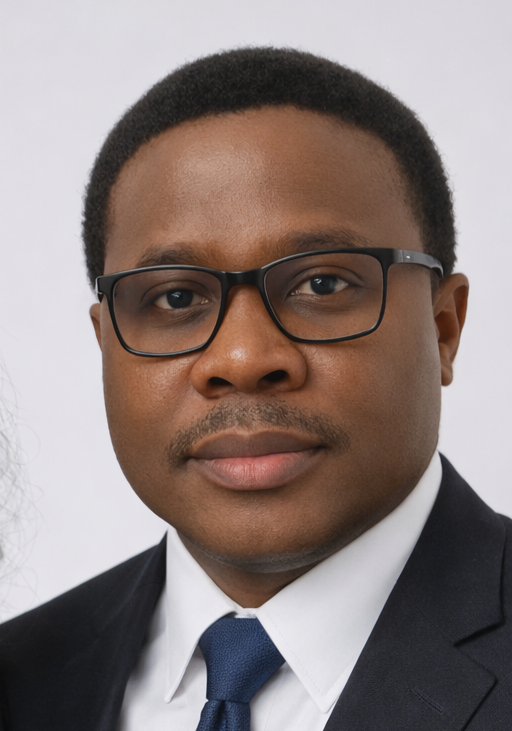
The medicine existed. The doctors were ready. A woman in labour urgently needed treatment. Yet through the night and into the next day, she remained in severe pain because the hospital could not restock the medicine she urgently needed. For Christian Nwachukwu, that moment changed everything.
As a pharmacist, Christian witnessed how delayed HMO payments, rising medicine costs and suppliers demanding upfront payment left hospitals struggling to restock essential medicines. He realised the greatest barrier to better healthcare was often not medical expertise or the availability of medicine, but access to financing.
That experience led him to ask a different question. Instead of helping one patient at a time, what if he could build something that helped thousands of hospitals and pharmacies keep medicines on their shelves whenever patients needed them?
Today, as Founder and Chief Executive Officer of 10mg Health, Christian is working to solve one of Africa’s most overlooked healthcare challenges by building the financial infrastructure that allows healthcare providers to access medicine financing quickly, safely and at scale.
Read: Charles Ayere is Giving Independence Back to the Visually Impaired
The Problem Was Never Just Medicine
Before launching 10mg Health, Christian founded Pharmily, a business supplying medicines to healthcare providers. Working closely with clinics and pharmacies exposed him to the financial strain caused by delayed insurance payments.
To bridge the gap, Pharmily offered inventory on credit, but without reliable data and risk controls, recovering payments became increasingly difficult. The business eventually shut down in 2020, teaching him that the real problem was never a shortage of capital but the absence of trusted data that lenders could rely on.
Banks and lenders were willing to finance businesses, but they lacked trusted, real-time information about healthcare providers. Decisions were still based on collateral, outdated records and lengthy approval processes, while clinics and pharmacies generated valuable procurement and repayment data every day that nobody was using effectively.
That insight became the foundation for 10mg Health.
Building Trust Before Building Credit
Although many people describe 10mg Health as a healthcare financing platform, Christian sees it differently. The company does not lend money itself. Instead, it provides the technology and trusted data that help licensed lenders make faster, more informed financing decisions.
When a clinic or pharmacy needs to restock medicines but lacks the cash to do so, it selects the medicines through a procurement platform and chooses the 10mgCredit option. The platform reviews the provider’s buying history, repayment record and business activity before sharing the information with a licensed lender. If approved, the lender pays the supplier directly, allowing the healthcare provider to receive the medicines immediately while repaying in agreed installments. Throughout the process, 10mg Health monitors repayments and helps manage risk.
While the process appears simple, Christian says the real work lies in building trust. Every financing request requires verifying providers, analysing buying patterns, assessing repayment behaviour and giving lenders the confidence to finance healthcare businesses responsibly.
That invisible infrastructure is what sets 10mg Health apart. Rather than competing with banks, suppliers or digital lenders, it connects them.
Rather than competing with banks, suppliers or digital lenders, 10mg Health connects them. The platform creates a shared system that helps lenders understand healthcare businesses better while enabling clinics and pharmacies to access financing based on how they actually operate rather than solely on traditional collateral.
Read: 5 Startups Building the Future of Healthcare in Africa
Building for Africa’s Future

Today, 10mg Health operates in Nigeria and Senegal while working with UK fintech partners to expand access to healthcare financing. Christian says every market requires a local approach, balancing technology with trusted partnerships, compliance and strong risk controls.
In Nigeria, speed and daily cash flow are critical. In Senegal, trust, relationships and local partnerships play a much bigger role. International partners, meanwhile, focus heavily on compliance, transparency and robust risk controls before entering new markets. The lesson has been clear: technology can be shared, but successful partnerships must be adapted to local realities.
The company has already raised about $440,000 through investments and grants, supporting nearly 7,000 healthcare providers and enabling more than $5.4 million in medicine financing. The next phase includes raising $1 million to strengthen the platform, deepen partnerships and expand into Ghana, Côte d’Ivoire and Kenya.
Yet, for Christian, success goes far beyond funding rounds or expansion plans.
He envisions a future where clinics and pharmacies across Africa can restock medicines without waiting months for approvals, tying up heavy collateral or relying on personal savings. Financing should happen at the point of purchase, supported by trusted operational data rather than outdated assumptions. In that future, fewer hospitals will run out of essential medicines, and fewer patients will experience avoidable delays in treatment simply because financing failed at a critical moment.
Looking back, Christian’s advice to other healthcare professionals with entrepreneurial ideas reflects the same philosophy that shaped his own journey. You do not need every answer before you begin. Start with the problem you understand, speak to the people affected, test your ideas and build alongside others who complement your strengths. The right person to solve a problem is often the one willing to take the first step.
At RefinedNG, we spotlight Africans whose ideas, leadership and innovation are solving real problems across the continent. Follow RefinedNG for more stories celebrating founders, business leaders and changemakers shaping Africa’s future.