
Healthcare across Africa is changing as entrepreneurs build practical solutions around some of the continent’s biggest challenges. From difficulty accessing doctors and diagnostic services to medicine shortages, fragmented records and inefficient supply chains, health-tech startups are finding new ways to make care more accessible.
Here are five African health startups making their mark across different parts of the healthcare ecosystem.
LifeBank: Making Blood Available When It Matters

In an emergency, having the right blood type available can make the difference between life and death. Nigerian startup LifeBank was created to tackle one of the country’s persistent healthcare challenges: getting blood and other essential medical products to hospitals quickly.
The company uses technology to connect hospitals with blood banks and helps healthcare facilities locate available blood supplies.
LifeBank’s model addresses a problem that extends beyond technology. Better coordination between blood banks, hospitals and delivery systems can help reduce delays during emergencies and improve the reliability of blood supply.
Read: Jean Lobe Lobe Built Waspito After Losing His Father. Here’s Why
Helium Health: Bringing Healthcare Records Online

For many healthcare providers, patient information has traditionally been spread across paper files and disconnected systems. Helium Health, founded in Nigeria, is tackling this challenge through digital health infrastructure.
The company provides electronic medical records and hospital management software designed to help healthcare providers manage patient information and operations more efficiently. Its platform has expanded beyond Nigeria into other African markets.
By digitising medical records, health facilities can improve access to patient information while reducing administrative work.
mPharma: Building a Smarter Medicine Supply Chain

Access to safe and affordable medicines remains a major healthcare concern across Africa. mPharma focuses on the pharmaceutical supply chain, working with pharmacies and healthcare providers to improve inventory management and medicine availability.
Its approach uses technology and supply-chain systems to help pharmacies manage stock and reduce shortages.
A more efficient supply chain can help pharmacies maintain the medicines patients need while improving how pharmaceutical products move from suppliers to healthcare facilities and consumers.
Vezeeta: Connecting Patients With Healthcare Providers
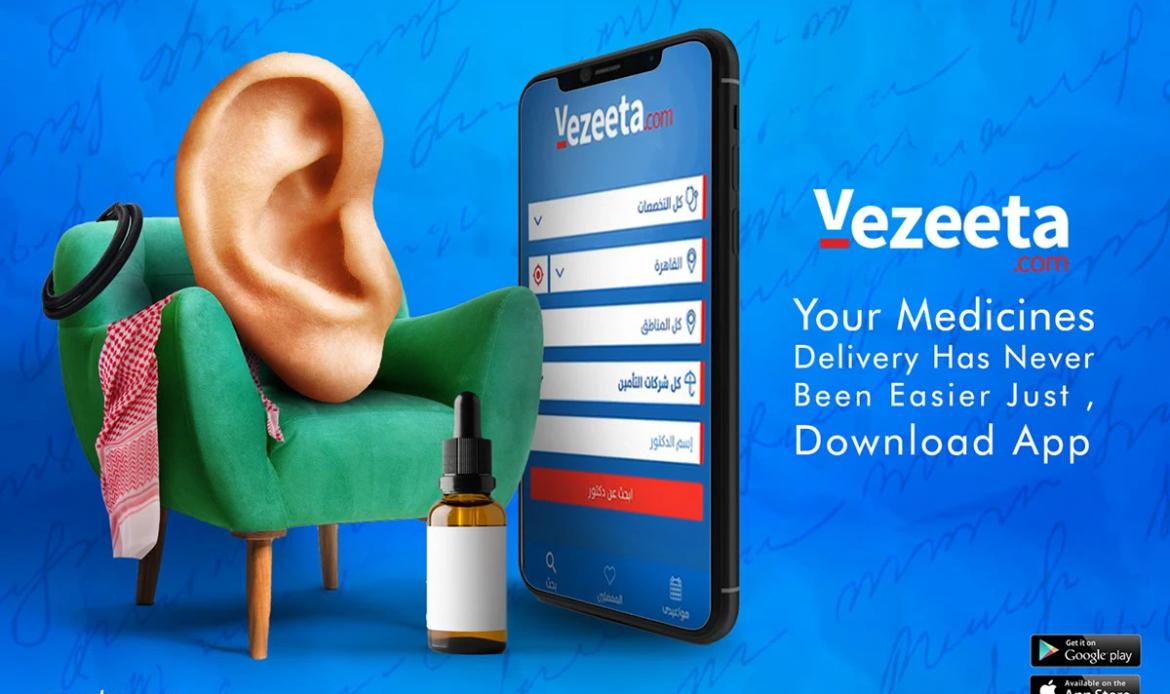
Finding the right doctor can be difficult, particularly in busy healthcare systems where information about providers and appointment availability is scattered across different channels. Egypt-based Vezeeta has built a digital healthcare platform designed to make that process easier.
The platform connects patients with doctors and healthcare providers, allowing users to search for healthcare professionals and book appointments.
Digital platforms like Vezeeta can also help healthcare providers manage appointments and reach more potential patients, creating a more organised connection between both sides of the healthcare system.
Read: Dr. Alice Muhuhu Is Making Cardiac Care More Accessible
Ilara Health: Taking Diagnostics Closer to Communities

A diagnosis can only happen when patients can access the necessary equipment and expertise. Kenyan startup Ilara Health focuses on this gap by helping smaller clinics access affordable diagnostic technology.
The company works with primary care facilities, particularly those serving underserved and peri-urban communities, providing access to diagnostic equipment and financing solutions. Its model is designed to bring capabilities that might otherwise be concentrated in larger hospitals closer to patients.
This approach matters in communities where travelling to a major medical facility can be expensive, time-consuming or unrealistic.
Building Africa’s Next Health Systems
LifeBank, Helium Health, mPharma, Vezeeta and Ilara Health represent different approaches to the same broad challenge: making healthcare work better for more people.
Their solutions span blood logistics, medical records, pharmaceutical supply chains, healthcare access and diagnostics. However, these startups show what happens when African founders build around problems they understand firsthand. With the right investment, partnerships and policy support, health-tech could become an increasingly important part of how the continent delivers care.
Together, they are helping build healthcare systems that are more connected, responsive and accessible, while proving that innovation can grow from local needs into solutions with wider continental relevance for African communities today.
Want to discover more African startups creating solutions for the continent? Explore more industry spotlights and stories on innovation, business and technology on RefinedNG.