
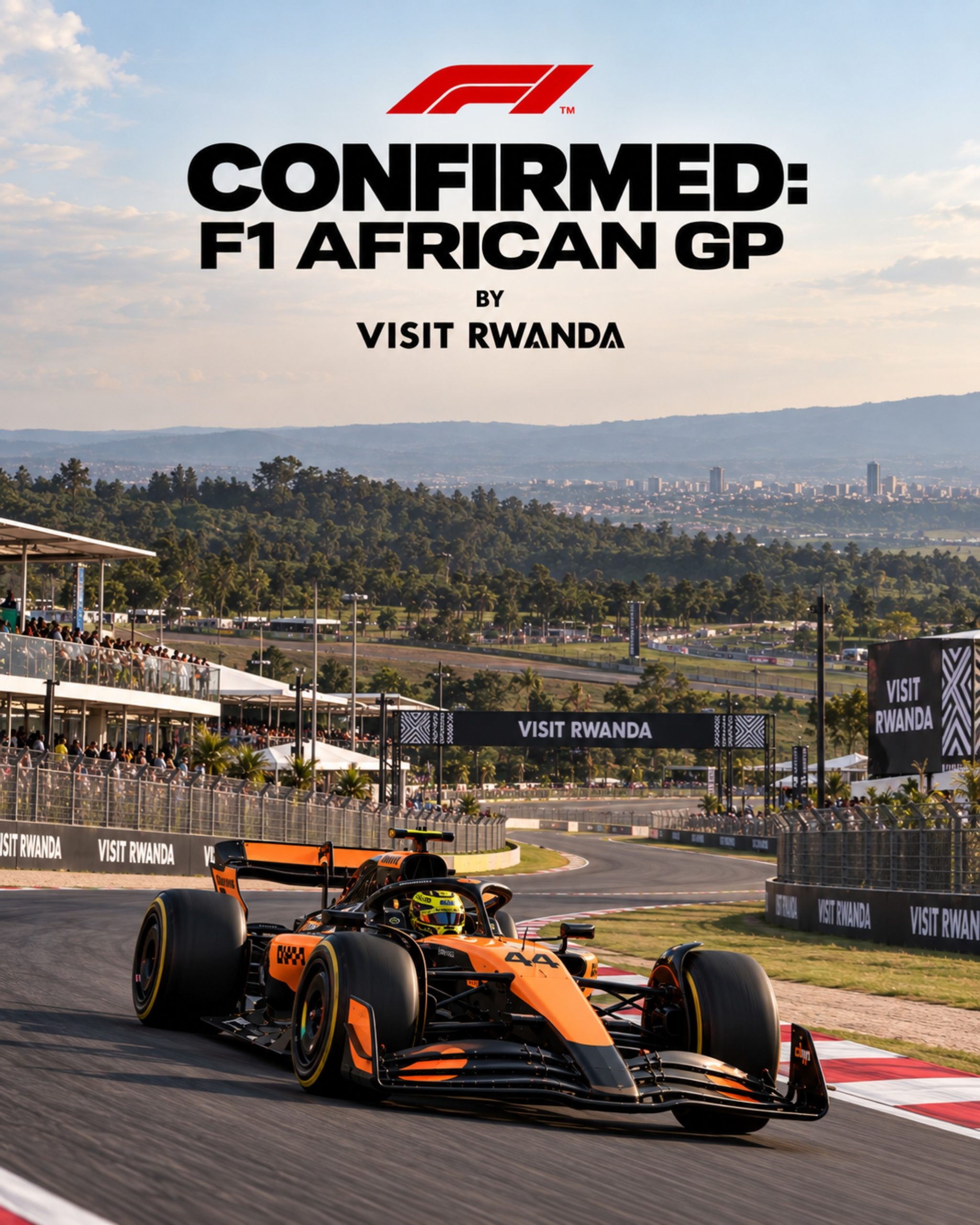
Formula 1 is set to return to Africa for the first time since 1993, with Rwanda securing a 10-year agreement to host the African Grand Prix from the early 2030s. The deal brings one of the world’s most prominent motorsport competitions back to the continent after more than three decades away, creating new possibilities for African fans, businesses and aspiring motorsport professionals.
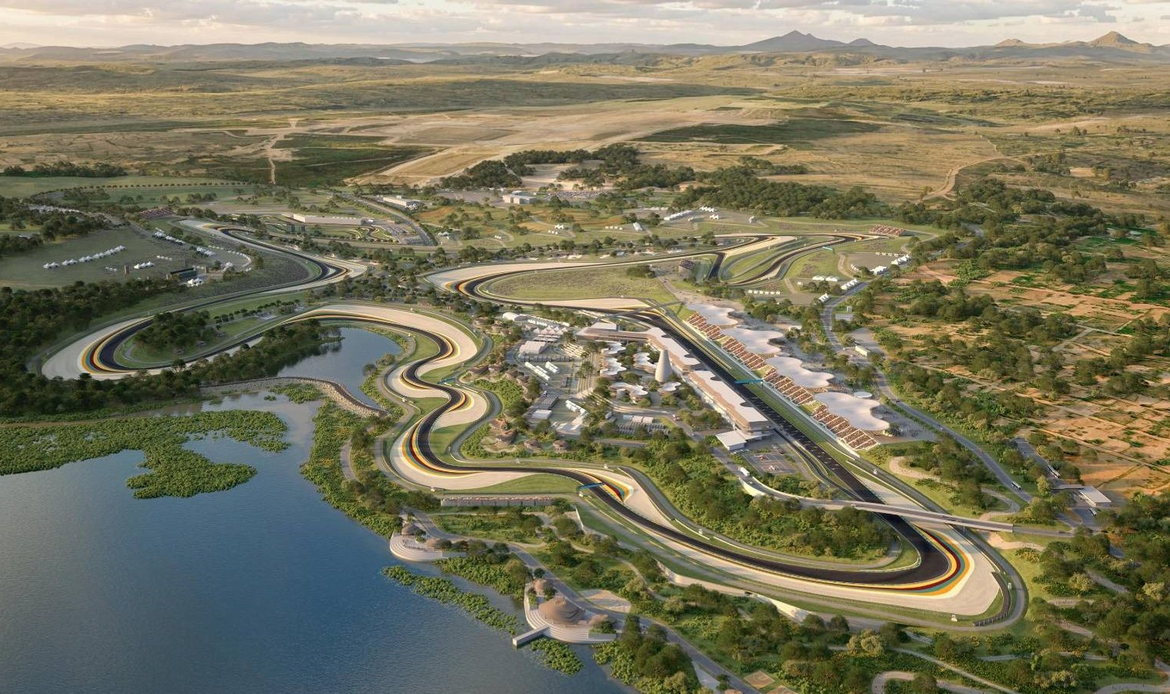
Announced on Tuesday, 13 October 2026, the agreement will see the race take place at a purpose-built circuit in Bugesera, approximately 40 kilometres south of Rwanda’s capital, Kigali. Construction must be completed before the first race can take place, and Formula 1 has yet to announce a specific opening date. The project is part of Rwanda’s wider efforts to attract international sporting events, investment and visitors.
Rwanda’s Plans to Bring Formula 1 Back to Africa
The planned circuit will be developed to meet FIA Grade 1 standards, the level required to host Formula 1 races. Led by the Rwanda Development Board, the project is expected to form part of a broader development effort involving tourism, infrastructure and commercial activity.
Formula 1 president and chief executive Stefano Domenicali described the agreement as a long-term commitment to Africa, pointing to the continent’s growing fanbase of more than 100 million people. The deal will also allow Formula 1 to race on every inhabited continent once Rwanda joins the calendar.
You May Like: Did You Know? Egypt Built a Robot That Harvests Crops
Africa’s previous Formula 1 races took place in South Africa and Morocco, with the continent’s most recent Grand Prix held in South Africa in 1993. The return has also been championed by seven-time world champion Lewis Hamilton, who has repeatedly called for the sport to include an African race.
For Rwanda, the agreement represents an opportunity to build on its growing profile as a host of international sporting events. The country has staged major gatherings and competitions in recent years, including the UCI Road World Championships and events organised by the International Automobile Federation.
What the African Grand Prix Could Mean for Local Businesses and Young Talent
Hosting Formula 1 could create opportunities that extend beyond race weekend. International events of this scale can attract visitors, generate demand for accommodation and hospitality, and provide work for local suppliers. Rwanda’s government also expects the project to support job creation, tourism, skills development and business growth.
The development could open doors for young Africans interested in the technical and commercial sides of motorsport. Formula 1 relies on a wide range of expertise, from engineering and vehicle technology to logistics, broadcasting, event management and marketing. A sustained presence on the continent could help make these career paths more visible and encourage investment in relevant training.
Rwandan President Paul Kagame said the country wants young people to see themselves in the sport as engineers, technicians, entrepreneurs and future drivers. Turning that ambition into lasting benefits will depend on how effectively local people and businesses participate in the project, including whether training and employment opportunities reach beyond the event itself.
Read Also: Mo Abudu Opens EbonyLife Place London, a New Home for African Cinema
Human Rights Concerns Remain Part of the Conversation
The announcement has also attracted criticism. Amnesty International UK’s head of campaigns, Felix Jakens, accused Rwanda of using major sporting partnerships to improve its international image while deflecting attention from its human rights record. The organisation has raised concerns about restrictions on free expression and political opposition, as well as allegations linked to the conflict in neighbouring Democratic Republic of the Congo.
These concerns form part of a wider debate about sportswashing, where governments use high-profile sporting events to influence how the world sees them. The deal’s economic and sporting ambitions therefore sit alongside questions about accountability and the responsibilities of international sports organisations when choosing host partners.
Rwanda’s Grand Prix is still several years away, with the circuit and event arrangements yet to be completed. Its long-term significance will depend on more than the race itself. Local employment, skills development, business participation and transparent delivery will help determine whether the project produces benefits that last beyond the global spotlight.
For African motorsport fans, the agreement is a major step towards seeing Formula 1 return to the continent. The next challenge is ensuring that the opportunities promised by this 10-year partnership translate into meaningful outcomes for people across Rwanda and the wider region.
Follow RefinedNG for more stories on African progress, innovation and achievement. What would you like to see the return of Formula 1 deliver for Africa?