
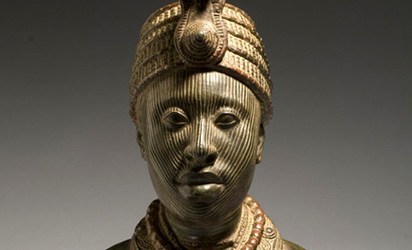
Ile-Ife, often called the cradle of the Yoruba civilization, is a city wrapped in myth, history, and reverence. For centuries, its rulers — the Oonis of Ife — have been celebrated as spiritual leaders and custodians of tradition, their names etched into the legacy of a people. Most of these rulers were men, as one might expect in a patriarchal society. But tucked within the annals of history lies a remarkable surprise: the 21st Ooni was a woman — Ooni Luwo Gbàgìdá.
Her reign, around the 12th century, wasn’t merely an anomaly. It was a statement of possibility, proof that leadership in Yorubaland could transcend gender. Far from being remembered only for controversy, Ooni Luwo’s legacy shines for her taste, her innovation, and her vision. She was a queen who shaped culture, left visible marks in the city, and carved her name into history’s stone floor — quite literally.
The Throne of Ile-Ife
To understand the weight of Ooni Luwo Gbàgìdá’s story, one must first understand the throne she ascended. In Yoruba tradition, the Ọọ̀ni of Ife is far more than a king. He is the spiritual heart of the people, the living custodian of their myths, rituals, and ancestral heritage. Ile-Ife itself is revered as the “source of the Yoruba world,” the sacred birthplace where Odùduwà, the progenitor of the Yoruba people, is believed to have descended.
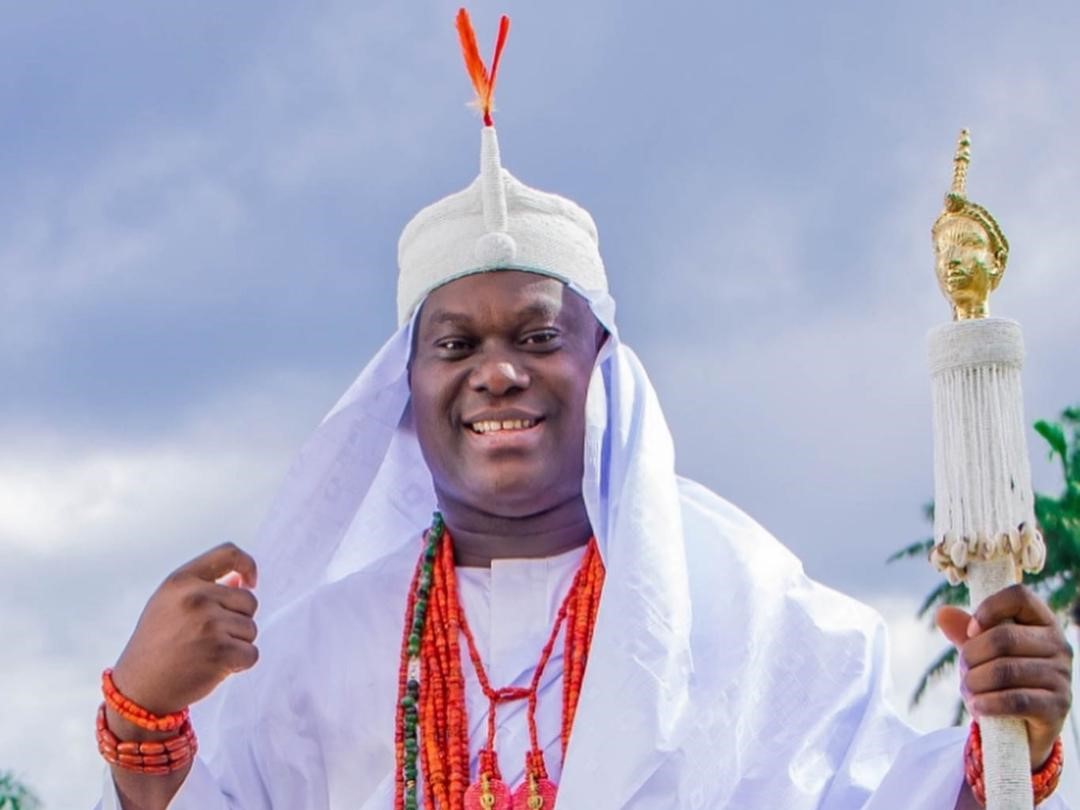
To sit on the throne of Ife is to inherit centuries of spiritual authority and political influence. The Ooni’s word carried weight across kingdoms, his presence binding the scattered Yoruba world to its sacred roots. It remains the most exalted traditional stool in Yorubaland — a crown that represents both divine appointment and the people’s deepest identity.
That is what makes Ooni Luwo Gbàgìdá’s reign so extraordinary. In a society where kingship was largely preserved for men, her coronation was a radical acknowledgment of female leadership. Her presence on the throne was not symbolic, but real — proof that women, too, could carry the burden of tradition, wield authority, and leave a lasting imprint on culture.
Her story reminds us that women were never absent from African power structures. They led, they innovated, and they built legacies, even if history sometimes muted their voices. Ooni Luwo’s reign stands as a shimmering reminder that Yoruba leadership has always been broader, richer, and more inclusive than the stereotypes suggest.
Read: The Story Of Efusetan Aniwura, the Iyalode Of Ibadan
Who Was Ooni Luwo Gbàgìdá?
Ooni Luwo Gbàgìdá occupies a rare and fascinating place in Yoruba history. She hailed from the distinguished lineage of Otaataa in the Owode compound, Okerewe, tracing her roots to one of Ile-Ife’s respected families. It was this heritage, combined with her charisma and presence, that would later position her to ascend the revered stool of the Ooni.
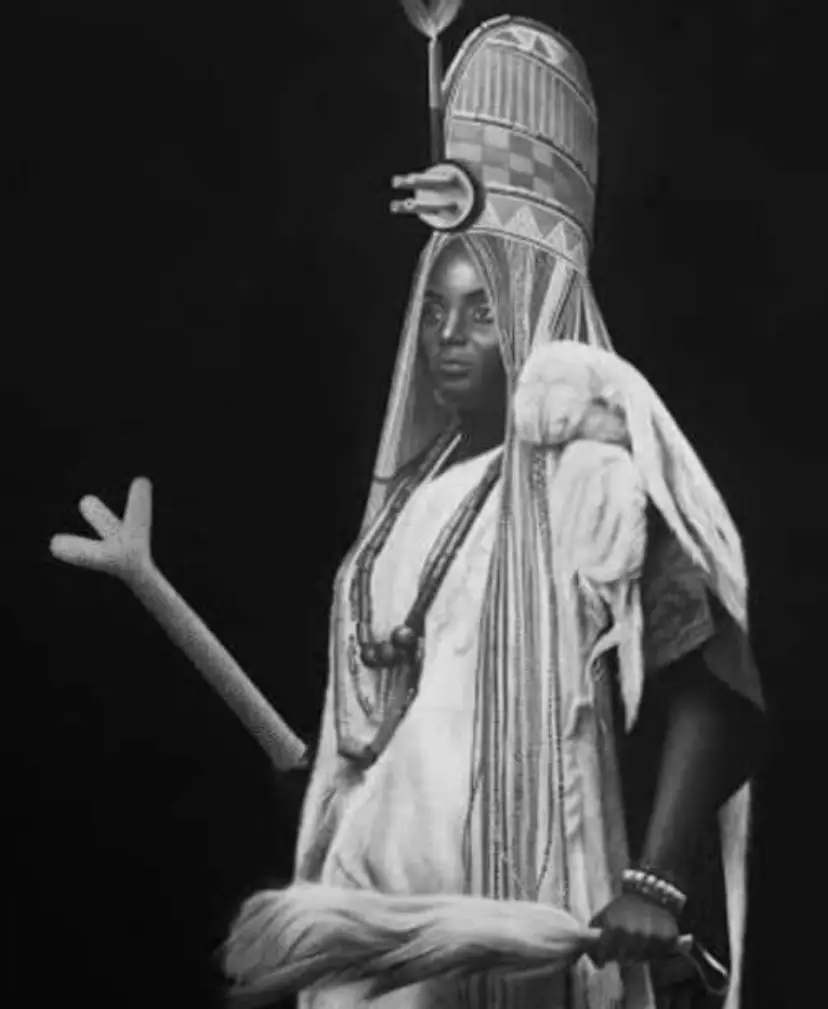
In the long line of rulers that shaped Ile-Ife, she became the 21st Ooni, succeeding Ooni Giesi. Her rise was extraordinary — not because she was unqualified, but because tradition had long assumed that only men would carry the crown. Her coronation challenged that convention, proving that authority in Yorubaland could transcend gender when the right leader emerged.
Luwo Gbàgìdá was not only a queen but also a wife and mother. She was married to Ọbalọran of Ilode and bore Adekola Telu, who would later become the founder and first Oluwo of Iwo. Through him, she started a dynasty that still thrives today, with the current Oluwo of Iwo tracing his ancestry back to her.
Beyond her lineage, Luwo was celebrated for her striking beauty, elegance, and sophistication. Oral tradition paints her as a woman who embodied both regal charm and refined taste, paying meticulous attention not only to her appearance but also to the aesthetics of her environment. It is said that she disliked disorder and sought to bring grace, style, and innovation to the world around her — values that defined her reign as much as her authority.
Ooni Luwo Gbàgìdá was more than just a rare female monarch. She was a mother, innovator, and cultural architect, leaving behind legacies that still echo in Yoruba history today.
A Reign of Style and Innovation
When Ooni Luwo Gbàgìdá ascended the throne around 1100 CE, she made history as the first and only female Ooni of Ife. But her reign was remarkable not simply because of her gender — it was because of the vision and innovation she brought to the spiritual and political heart of the Yoruba world.
One of her most enduring contributions was the introduction of decorative pavements and open-air courtyards lined with pottery sherds and quartz pebbles. Oral tradition recounts how she turned punishment for offenders into civic improvement: those who broke the law were ordered to bake clay, shatter it with their hands, and lay it on the ground, creating patterned walkways fit for a queen. Over time, this practice became part of Ile-Ife’s cultural landscape, blending discipline with beauty.
Luwo was also known for her insistence on civic order and cleanliness. She disliked walking on bare, dusty floors, so she inspired the community to maintain streets and courtyards that reflected refinement and harmony. Under her reign, Ile-Ife blossomed into a more organized and aesthetically pleasing city, a reflection of her own elegance and sophistication.
Her influence extended beyond urban planning to palace culture, where her sense of taste and refinement set new standards. Centuries later, remnants of the pavements she commissioned can still be found in parts of Ile-Ife — silent but powerful reminders of her reign.
Through these innovations, Ooni Luwo Gbàgìdá showed that leadership could shape not just politics and spirituality, but also the very environment people lived in.
Beyond the Throne: Her Lasting Legacy
Ooni Luwo Gbàgìdá’s influence did not end with her reign. Through her son, Adekola Telu, she laid the foundations for the Iwo Kingdom, establishing a dynasty that still endures centuries later. Every Oluwo of Iwo traces their royal heritage back to her — a testament that her legacy was not only political but generational.
In Yoruba history, where the Ooni is revered as both spiritual guardian and cultural custodian, Luwo stands out as proof that leadership was not the exclusive preserve of men. Her reign directly challenges the narrative that women only played supportive roles in traditional African societies. Instead, she carved her place at the center of power, ruling with vision, elegance, and authority.
Today, she is remembered as more than a historical footnote. She is a trailblazer whose innovations shaped the culture of Ile-Ife and whose lineage shaped Yoruba royalty. Her story reminds us that women have always been capable of leading, building, and preserving kingdoms. The echo of her reign continues to inspire conversations about gender, leadership, and heritage in Africa and beyond.
Read: Queen Idia: The Fearless Warrior and First Iyoba of Benin Kingdom.
Why Ooni Luwo Matters Today
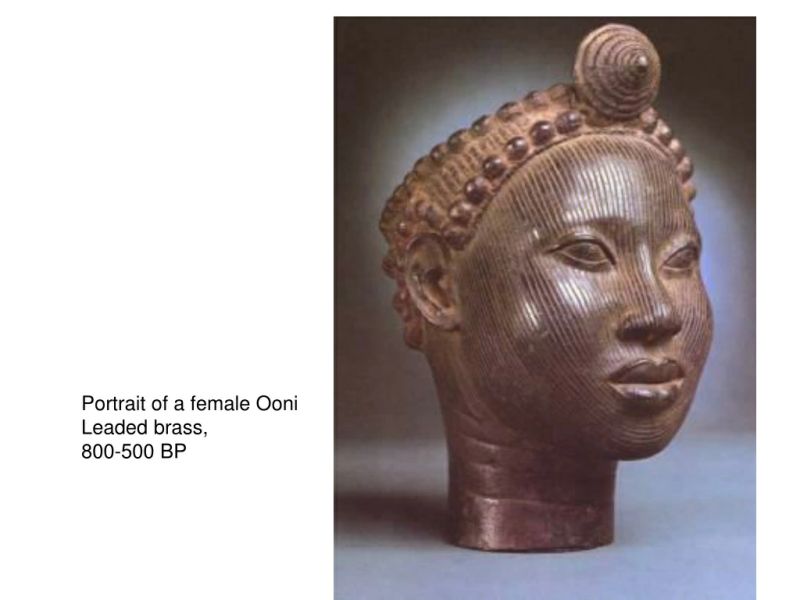
In a world still debating women’s place in leadership, Ooni Luwo Gbàgìdá’s story is a timely reminder that African women have always held power. Centuries before the language of “gender inclusion” existed, Ile-Ife crowned a woman as its supreme spiritual and political leader. That act alone reshapes how we understand Yoruba history and the broader narrative of African governance.
Her reign proves that women were never absent from decision-making — they shaped kingdoms, built dynasties, and set cultural standards. By remembering Ooni Luwo, we honor not just her personal achievements but the continuity of Yoruba heritage itself.
To celebrate her is to acknowledge that tradition and progress are not opposites. Her story lives as proof that African leadership has always been richer, more diverse, and more inclusive than history books often tell.
The Queen Who Left Footprints in Clay
Ooni Luwo Gbàgìdá remains the only woman to ever sit on the sacred throne of Ile-Ife — a distinction that makes her reign unforgettable. The decorative pavements she commissioned still speak, centuries later, like clay footprints of her vision and authority. They remind us that her legacy was not just about ruling, but about shaping culture and identity.
Centuries later, Queen Luwo’s story reminds us that power, vision, and beauty once walked hand in hand in the heart of Yoruba civilization.
Follow RefinedNG for more inspiring histories — your number one stop for all things positive about Africa’s heritage.