
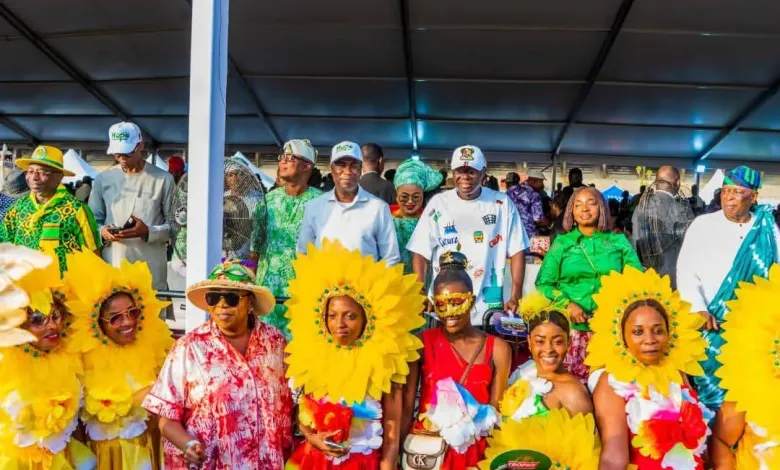
Earlier this week, on Monday, April 6, 2026, something colourful, loud, and impossible to ignore took over Lagos Island, and if you blinked, you might have missed it: The Lagos Fanti Festival.
The Lagos Fanti Festival, held at Tafawa Balewa Square, wasn’t just another event on the calendar. It was a full-on cultural takeover. Streets came alive with music, costumes, and movement that felt almost cinematic. Think feathers, sequins, drums, dancing crowds, and dramatic energy.
Organised by the Lagos State Government, this year’s edition, themed “A Homecoming of Heritage”, felt intentional. Not just a festival, but a statement. A reminder that Lagos remembers where it came from.
Where Brazil Meets Lagos Island
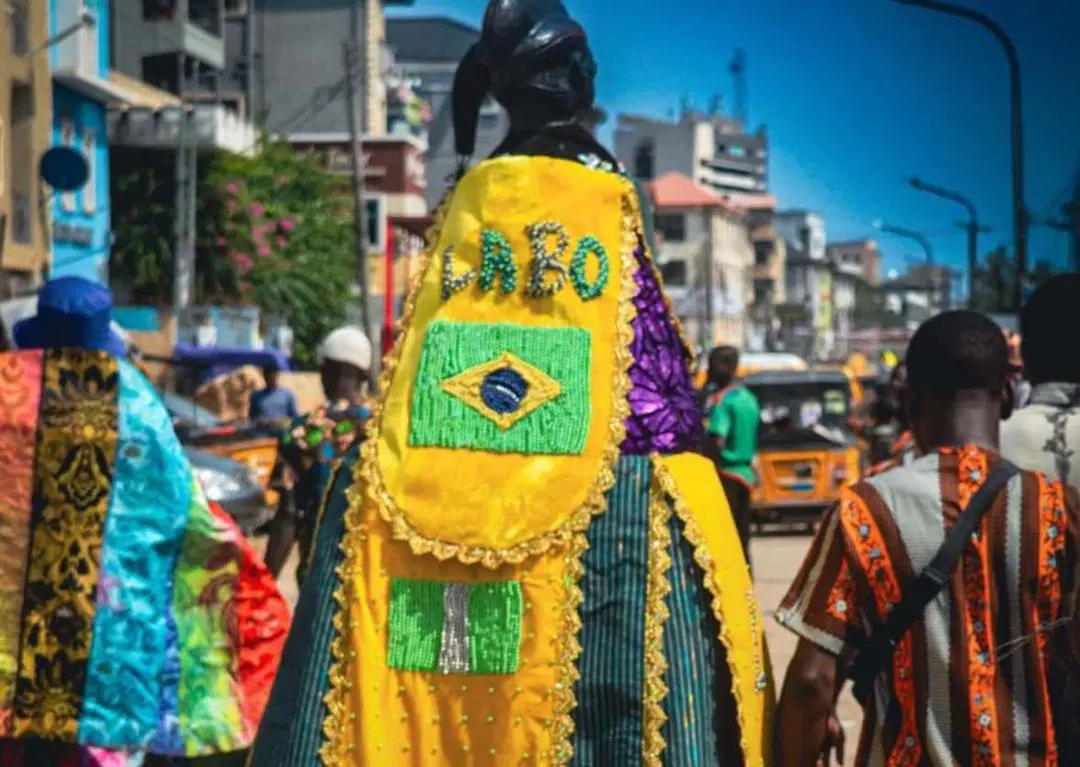
To really understand the Fanti Festival, you have to go back; way back.
In the 19th century, Afro-Brazilian returnees (known as Aguda or Amaro) made their way back to Lagos after years in Brazil and Cuba. But they didn’t return empty-handed. They came with culture, music, fashion, architecture, and traditions that slowly blended with indigenous Yoruba life.
Read: Ghana’s Akwasidae Festival: A Tradition That Returns Every Six Weeks
The result? Something entirely new.
The Fanti Festival is that fusion in motion. Samba rhythms meet talking drums. Brazilian-inspired costumes mix with Yoruba storytelling. It’s not fully Brazilian, not fully Nigerian, it’s something Lagos created for itself.
And the heartbeat of it all lies in seven historic communities on Lagos Island: Campos, Lafiaji, Okoo-Faji, Okepopo, Olowogbowo, Epetedo, and Isale-Eko. Each brings its own flavour, colours, and identity to the streets, turning the festival into a living, moving mosaic.
Costumes, Chaos, and Pure Creative Energy
If you think this is just a parade, think again.
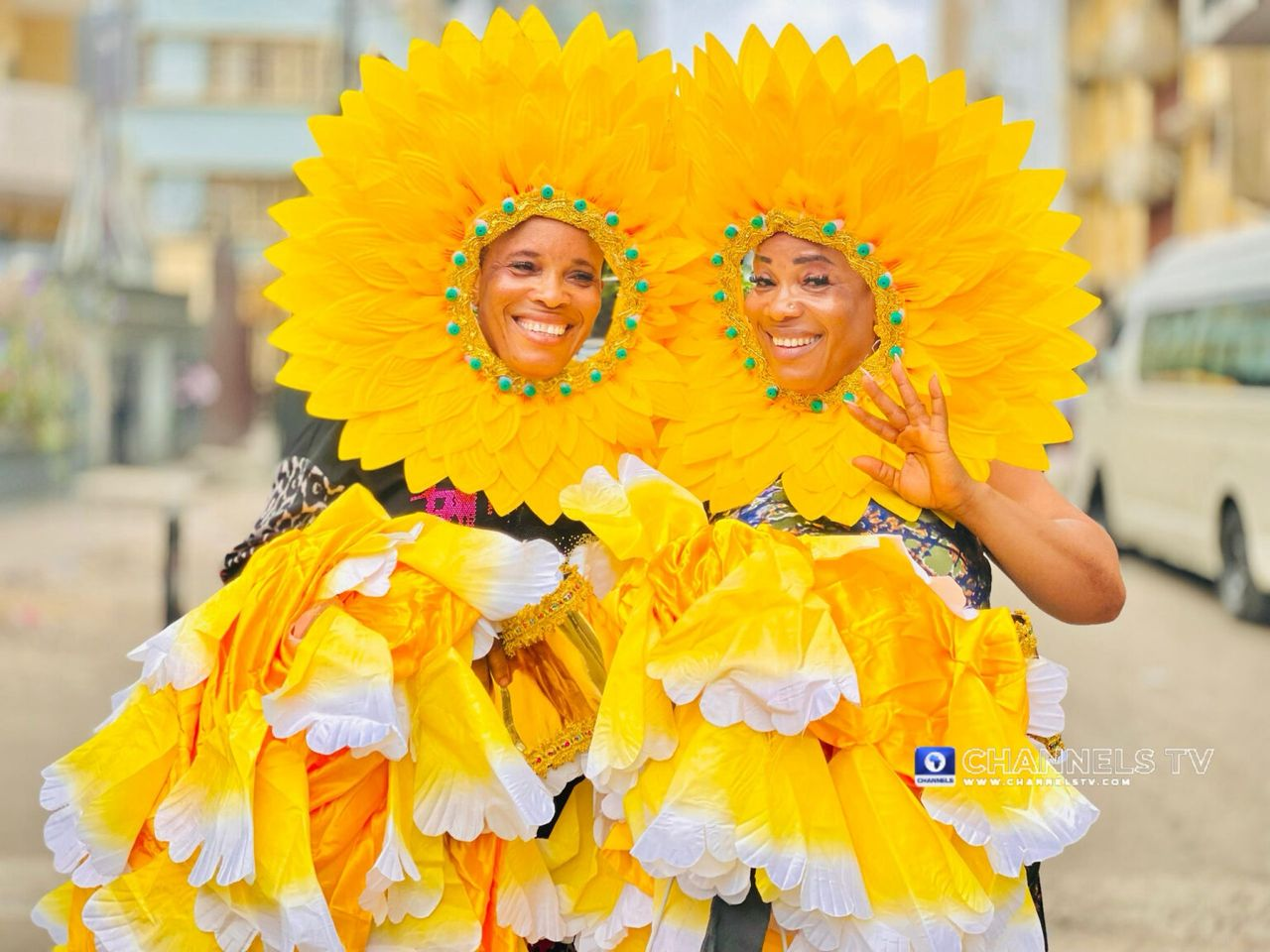
The Fanti Festival is a spectacle. Giant dragon props weaving through crowds. Horses dressed in glittering gear. Stilt walkers towering above the streets. Masquerades moving with rhythm like they own the ground they walk on.
And then there are the costumes, arguably the main characters. Feathers, beads, sequins, bold colours, every outfit feels like a statement piece. You don’t just wear a costume here; you become part of the story.
Music? Non-stop. From traditional drumming to live performances by artists like Teni, Niniola, 9ice, and Reminisce, the vibe stays high from start to finish.
And the best part? It’s not just for spectators. Kids, adults, first-timers; everyone gets pulled into it. One minute you’re watching, next minute you’re dancing like you’ve been part of it for years.
Read: Ghana’s Akwasidae Festival: A Tradition That Returns Every Six Weeks
More Than a Festival, It’s a Cultural Reset
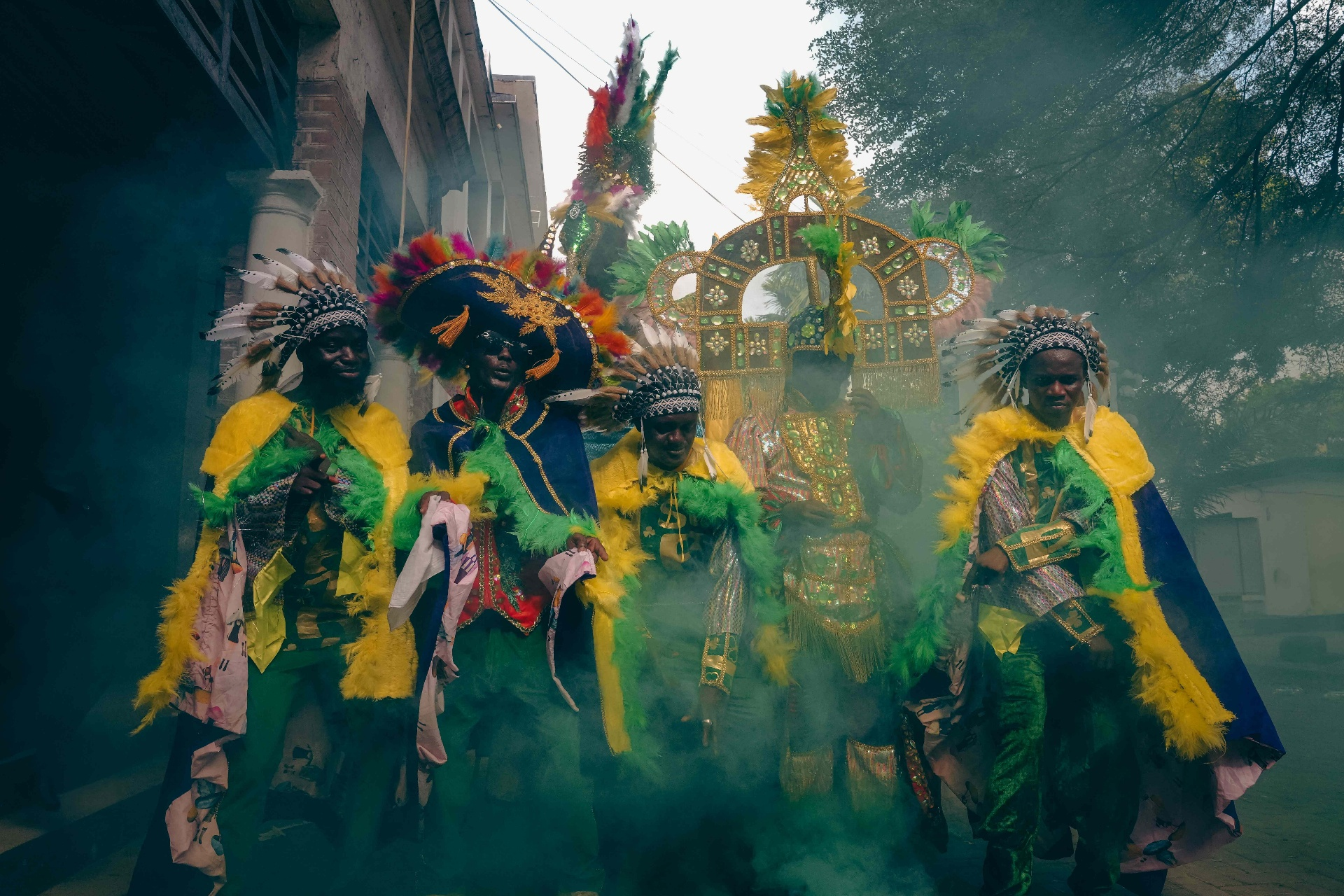
Beyond the colours and music, the Fanti Festival carries weight.
It’s history, preserved in motion. A celebration of resilience, return, and identity. For many, it’s also a form of storytelling, one that doesn’t rely on books but on movement, sound, and shared experience.
After years of fading into the background, the festival has made a strong comeback in recent times, especially with renewed support from the Lagos State Ministry of Tourism, Arts and Culture. And it shows. Bigger crowds, better production, more global attention.
But more importantly, it’s reconnecting younger generations to a part of Lagos history they might never have encountered otherwise. In a city that’s constantly evolving, the Fanti Festival does something rare, it pauses the present just long enough to honour the past.
Let’s Talk About It
So, have you heard of the Fanti Festival before now, or is this your first time of really seeing it?
Would you go for the culture, the music, or just the vibe? And if you were there this year, what stood out the most for you?
Let’s talk in the comments, and for more stories that spotlight culture, history, and everything in between, follow RefinedNG.