
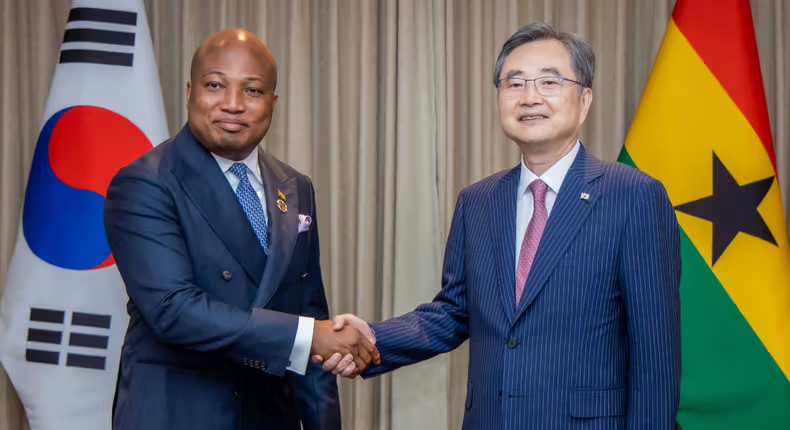
Ghana has secured a major industrial investment after announcing plans to establish a Hyundai automotive manufacturing plant that will serve the West African market.
The development emerged from the growing cooperation between Ghana and South Korea and is being viewed as another significant step in Ghana’s ambition to become one of Africa’s leading manufacturing destinations. Beyond vehicle production, the project is expected to create jobs, support skills development, and strengthen the country’s industrial capacity.
The announcement was made by Ghana’s Foreign Affairs Minister, Samuel Okudzeto Ablakwa, following the 2026 Korea-Africa Foreign Ministers’ Meeting held in Seoul, where he co-chaired discussions alongside South Korean Foreign Minister Cho Hyun.
A New Chapter for Ghana’s Industrial Ambitions
For years, many African countries have sought to move beyond being consumers of imported products and become producers of high-value goods. Ghana appears determined to be part of that shift.
According to Ablakwa, the Hyundai automotive manufacturing facility will be established in Ghana this year and will serve customers across West Africa. While details regarding production capacity, investment size, and construction timelines have not yet been released, the announcement has generated excitement about the opportunities the plant could bring.
The project aligns with Ghana’s broader industrialisation agenda, which focuses on attracting foreign investment, boosting local manufacturing, and creating sustainable employment opportunities for young people.
Read: Flutterwave Promotes Over 100 Employees; Marks 10 Years of Growth
Automotive manufacturing is often regarded as a catalyst industry because it creates demand for suppliers, logistics providers, technicians, engineers, and various supporting businesses. If successfully implemented, the Hyundai plant could help stimulate growth across multiple sectors of Ghana’s economy.
Ghana and South Korea Expand Strategic Cooperation
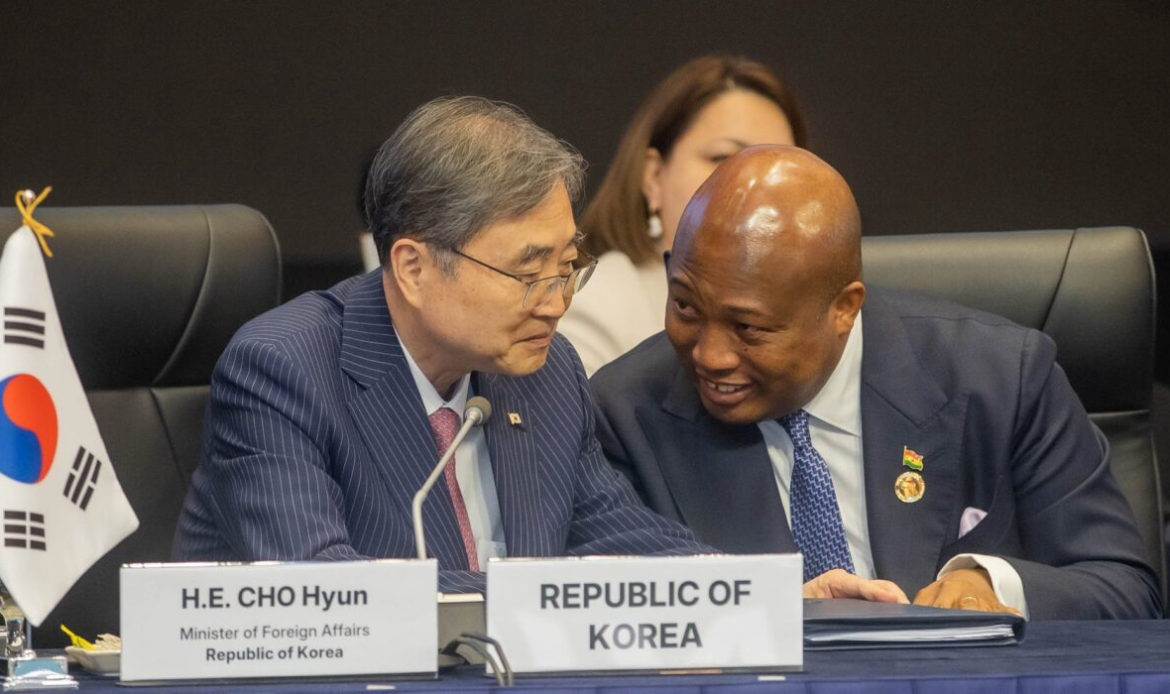
The Hyundai project is only one part of a wider partnership taking shape between Ghana and South Korea.
Both countries have agreed to deepen cooperation across several sectors, including energy, agriculture, education, maritime affairs, healthcare, road infrastructure, artificial intelligence, and critical minerals. Ablakwa also revealed that a new university in Ghana and solar-powered irrigation projects are expected to be launched as part of this growing relationship.
The strengthened partnership comes as Ghana and South Korea prepare to celebrate 50 years of diplomatic relations in 2027.
Officials from both countries have described the relationship as mutually beneficial, with South Korea bringing expertise in technology and manufacturing, while Ghana offers growing opportunities for investment and regional market access.
Discussions are also continuing on how to expand visa waiver arrangements between the two countries, potentially making travel and business engagements easier in the future.
Read: Nigerian Scientist Builds Platform to Track Drug-Resistant Malaria Strains
What the Hyundai Plant Could Mean for West Africa
The significance of the planned Hyundai facility extends beyond Ghana’s borders.
West Africa remains one of the world’s fastest-growing regions, with rising urbanisation and increasing demand for vehicles. Having a manufacturing base within the region could help reduce dependence on imports while supporting local assembly, distribution, and servicing operations.
The project could also strengthen Ghana’s position as a gateway to the wider West African market, especially as regional trade continues to expand under frameworks such as the African Continental Free Trade Area.
For young professionals, engineers, and entrepreneurs, the investment may open doors to new careers, technical training opportunities, and business partnerships linked to the automotive value chain.
While many details are still expected in the coming months, the announcement signals growing international confidence in Ghana’s economic potential and its role in Africa’s industrial future.
The planned Hyundai manufacturing plant represents more than a new factory. It reflects a broader vision of industrial growth, technology transfer, and regional economic integration.
If delivered successfully, the project could become one of the most important manufacturing investments in West Africa in recent years, creating opportunities that extend far beyond Ghana’s borders.
Do you think Ghana’s Hyundai manufacturing plant could help transform West Africa’s automotive industry? Share your thoughts in the comments and keep following RefinedNG for more stories on business, innovation, and Africa’s economic growth.