
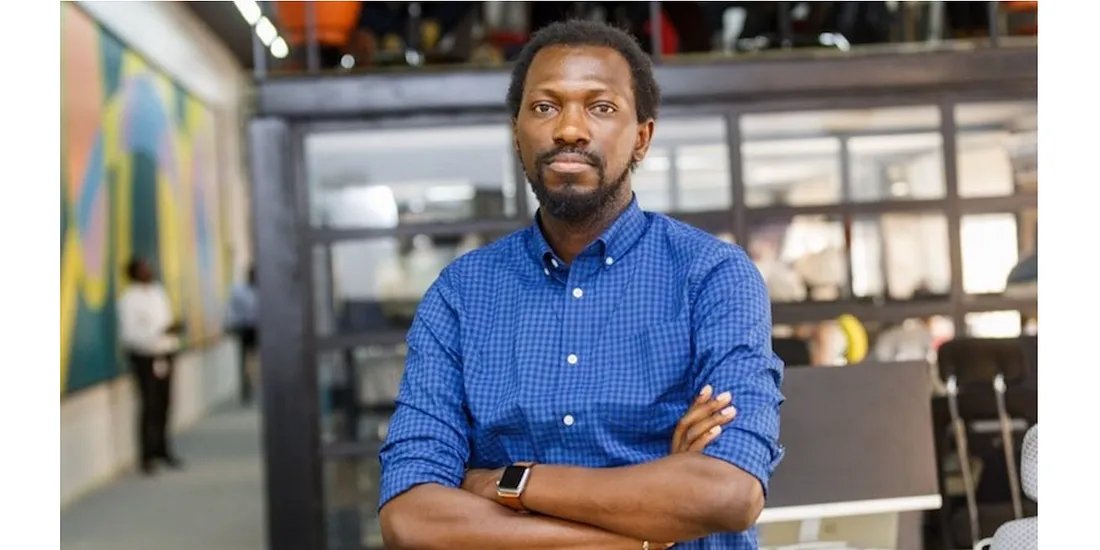
Not too long ago, most of Africa’s economy ran on cash. Getting paid across borders was slow. Global platforms struggled to gain ground. A digital economy? That felt like a distant dream for many. But Olugbenga Agboola didn’t just believe in a different future—he built the rails for it. With Flutterwave, GB helped unlock something transformative: a frictionless way to move money across Africa and the world. His tools now power payments in over 30 countries, enabling businesses, creators, and platforms to scale with global ease.
But his story isn’t loud or self-congratulatory. It’s precise, methodical, and deeply intentional. From engineer to fintech visionary, GB flipped Africa’s financial script not with noise—but with infrastructure. And in doing so, he didn’t just build a company. He helped redraw the entire map of possibility for digital finance on the continent.
Before the Billion-Dollar Valuation – A Story Few Knew Was Building
Before the unicorn headlines, Olugbenga Agboola was just a curious kid growing up in Lagos—tinkering with computers and drawn to how systems worked. His fascination with tech wasn’t performative; it was obsessive. That hunger carried him from Nigeria’s classrooms to the world’s most competitive ones, earning degrees from MIT Sloan, EC-Council University, and the Wharton School.

But credentials weren’t the point. GB’s goal was always impact—and scale. Early roles at PayPal and Google Wallet gave him a rare front-row seat to global payment systems. Then came his first fintech startup—an alternative payments company that was quietly acquired by a Nigerian bank. No press. No fanfare. Just the grind of someone building infrastructure before “fintech” was a buzzword.
So when Flutterwave launched in 2016, it wasn’t some breakout gamble—it was the next logical line of code in a story that had been compiling for over a decade. GB didn’t arrive at success; he engineered toward it. Step by step, stack by stack.
Read: How Temilade Salami is Making Climate Education a Human Right
He Didn’t Just Build Flutterwave. He Built Trust
The challenge wasn’t writing code. It was convincing people to believe in it.
When Olugbenga “GB” Agboola launched Flutterwave, Africa wasn’t ready to swipe or tap. Over 90% of transactions were still happening in cash. People didn’t just need a digital option—they needed a reason to trust one. So GB didn’t just build a payment platform; he built an invisible layer of trust across borders, banks, and behaviors.
It started with the merchants—small business owners skeptical of systems they couldn’t see. Flutterwave had to prove it could move money faster, safer, and more reliably than the wad of naira notes they’d carried for decades. Then came the regulators, the banks, and the partners. GB’s quiet persistence won them over, one integration at a time.
Underneath it all, Flutterwave wasn’t just processing payments—it was reshaping habits. It gave global brands like Uber a way to operate locally. It gave local tailors and food vendors a way to sell globally.
Trust was the product long before profit ever showed up.
The Vision Wasn’t Just Africa. It Was the World.

From day one, GB wasn’t just trying to solve a local problem—he was chasing a global solution that started in Africa.
When Flutterwave walked into Plug and Play’s Silicon Valley office in 2017, they weren’t just another startup. They were a blueprint for what Africa’s fintech future could be. The energy was magnetic. Plug and Play, one of the world’s most respected venture firms, made Flutterwave its first-ever African investment. It wasn’t a charity move—it was conviction.
Flutterwave didn’t stop there. It raised over $225 million in funding from global investors, earning unicorn status with a $3 billion valuation. But beyond the headlines, Flutterwave quietly became the infrastructure behind some of the biggest brands entering Africa. When Uber needed a payment partner? They called Flutterwave. Netflix, Spotify, Airbnb—same story.
From Lagos to London, San Francisco to Nairobi, GB’s ambition stayed rooted in Africa but always looked outward. He wasn’t content connecting cities—he was building the financial wiring for a continent to plug into the global economy.
From Pandemic Pivots to Real-World Power
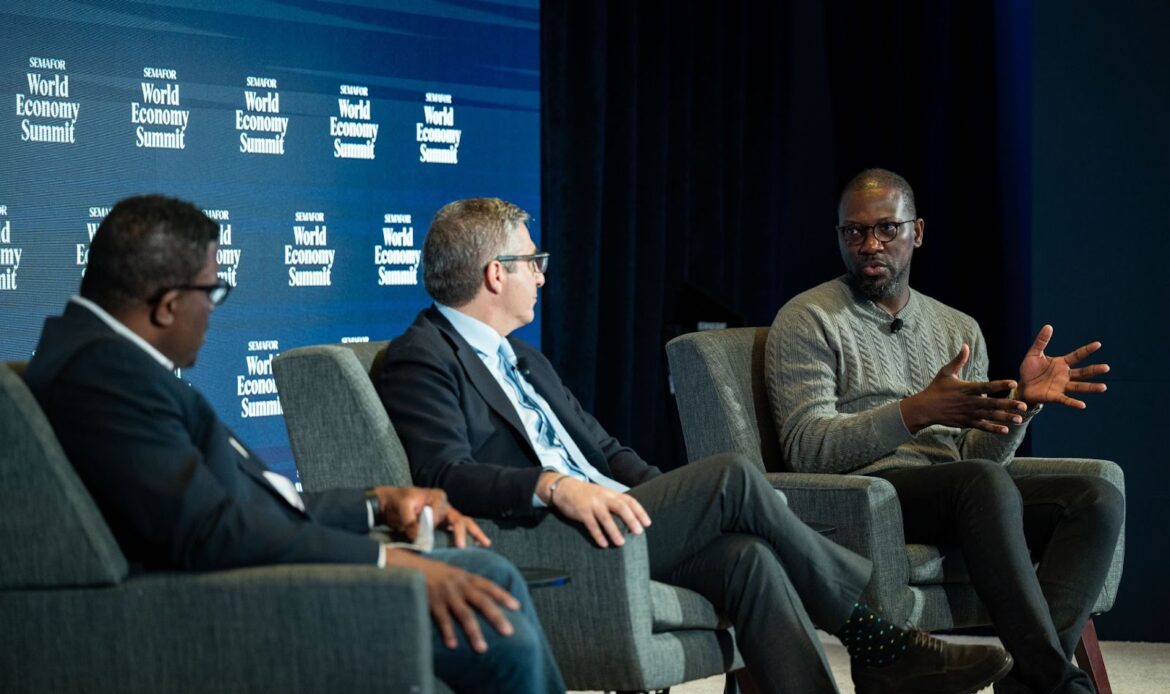
When the pandemic hit, businesses everywhere were forced to shut their doors—but Flutterwave opened new ones.
While the world slowed, “GB” sped up. He saw small businesses struggling, many with no way to sell their products. So Flutterwave did what few expected from a payments company: it built an e-commerce platform almost overnight. The Flutterwave Store was born—not to chase headlines, but to keep doors open digitally.
In just months, over 20,000 small businesses across Africa signed up. From food vendors in Nairobi to fashion sellers in Lagos, Flutterwave became their online lifeline. GB wasn’t just talking about impact—he was designing it.
It wasn’t about grand gestures. It was simple, effective infrastructure for people who needed it the most. At a time when survival felt like a luxury, Flutterwave gave many a fighting chance.
What Makes Olugbenga Agboola Different? He Plays the Long Game.
In an industry obsessed with speed, Olugbenga Agboola moves differently. He’s not the loudest voice in the room—and that’s exactly what sets him apart.
While others chase hype cycles, GB builds with intention. When Flutterwave faced regulatory headwinds in Kenya, he didn’t lash out or retreat. He listened, recalibrated, and doubled down on compliance. That quiet resilience is his signature. He knows building trust takes time—and losing it can happen in a moment.
Under his leadership, Flutterwave hasn’t just spread—it’s taken root. With a presence in 30+ African countries, GB’s strategy is simple: grow slow, grow smart. Whether negotiating with banks or onboarding street-side merchants, he’s always playing the long game.
For GB, success isn’t about headlines or unicorn status—it’s about infrastructure that lasts. And that’s exactly what Flutterwave is becoming: not just a company, but a backbone.
Read: How Case Radar is Rewiring Access to Justice in Nigeria
Beyond Fintech: A Builder of Systems, Bridges, and Possibilities
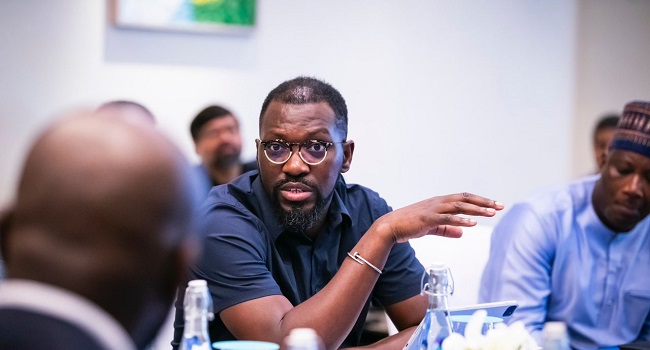
Olugbenga Agboola isn’t just building a company—he’s building belief. Named an Officer of the Order of the Niger (OON), and now seated on global councils like the WSJ CEO Council and Fast Company Impact Council, GB has quietly become one of Africa’s most influential voices in tech.
He mentors startups, advises institutions, and reminds young African builders that they belong at the table—not someday, but now. His legacy will go far beyond Flutterwave’s billion-dollar valuation. It’s the systems he’s helped shape, the bridges he’s built between Africa and the world, and the infrastructure he’s laid beneath everyday life.
More than code or capital, Olugbenga Agboola offers something rarer: proof that belief, backed by action, can truly change a continent.