

Before streaming became a thing, before “watch anytime”, TV in 90s Nigeria was an event. You didn’t just stumble on shows, you planned your evening around them. Once that familiar theme song started, everywhere went quiet. Homework was rushed, dinner was timed perfectly, and heaven help you if NEPA decided to interrupt at the wrong moment.
It wasn’t just about watching TV; it was about who you watched it with. Families gathered, neighbours leaned in, and sometimes entire compounds tuned into the same screen. Those shows weren’t just entertainment, they were shared experiences. And honestly, they hit differently.
The Storytellers That Taught Us Life
Some shows didn’t just entertain, they raised us.
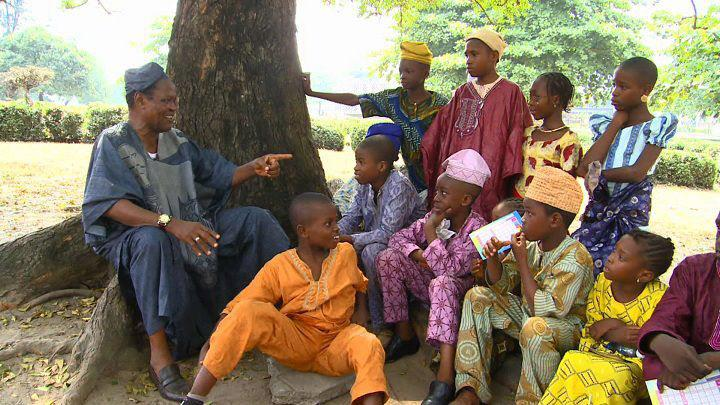
Tales by Moonlight felt like sitting under the moon with elders, learning lessons wrapped in folklore. The stories were simple, but the morals stuck. That intro alone? Instantly recognisable.
Then came I Need to Know, which tackled real-life issues young people faced: health, peer pressure, relationships, and growing up. It wasn’t preachy, just honest and relatable.
And of course, Super Story brought drama to another level. Every episode pulled you deeper into family struggles, betrayal, and consequences. If you survived the emotional rollercoaster of “Suara”, you deserve a badge.
These shows shaped how many people saw the world. They didn’t just tell us stories, they also taught values. Naturally, that set the stage for even deeper, more intense drama.
Read: NOSTALGIC MOMENTS WITH FUJI HOUSE OF COMMOTION
Drama That Had Everyone Hooked
If you wanted tension, 90s TV delivered.
Checkmate was all about power, ambition, and complicated family dynamics. Every episode felt like a chess move; strategic and unpredictable.

Ripples brought unforgettable characters, including villains you loved to hate. The storytelling was bold, and the emotions? Very real.
Then there was Palace and This Life, both diving into betrayal, revenge, and everyday struggles. These were the shows where talking during a scene could get you serious side-eye at home.
They made TV feel intense, almost cinematic, long before “cinematic” became a buzzword. But after all that tension, Nigerian TV knew exactly when to lighten the mood.
Comedy That Raised a Whole Generation
This is where things got fun.
Papa Ajasco and Company gave us characters that felt larger than life. The humour was loud, exaggerated, and ridiculously memorable. You didn’t just watch it, you quoted it.
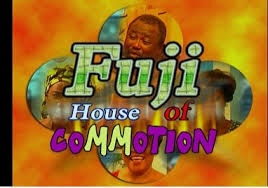
Then came Fuji House of Commotion, a chaotic, hilarious look into a polygamous household. Every episode was pure madness in the best way possible. And Everyday People balanced humour with real-life Lagos struggles. It felt close to home, like watching your own street play out on screen.
These shows gave us catchphrases, inside jokes, and moments that still live rent-free in our heads. Even today, you’ll hear people reference them without missing a beat.
Read: The New Faces of Afrobeats: Inside the Rise of Rema, Tems, Asake & Ayra Starr
Why These Shows Still Hit Today
There’s a reason these shows still come up in conversations. They were simple, yes, but they were rooted in real Nigerian life. The characters looked like people we knew. The stories felt like things we’d seen or heard. That authenticity made them stick.
Today, content is everywhere, but it’s also more individual. Everyone is watching something different, on their own time. Back then, it was collective. One episode, one moment, shared by many.
And even now, these shows still influence storytelling in Nollywood and modern TV. You see echoes of them in today’s scripts, characters, and themes. That legacy? Solid.
Let’s Talk Nostalgia
Be honest, what show did you never miss? Was it the lessons, the drama, or the comedy chaos that kept you hooked? Share your favourites, tag someone you used to watch with, and relive those moments.
For more throwbacks, culture stories, and everything in between, follow RefinedNG.