
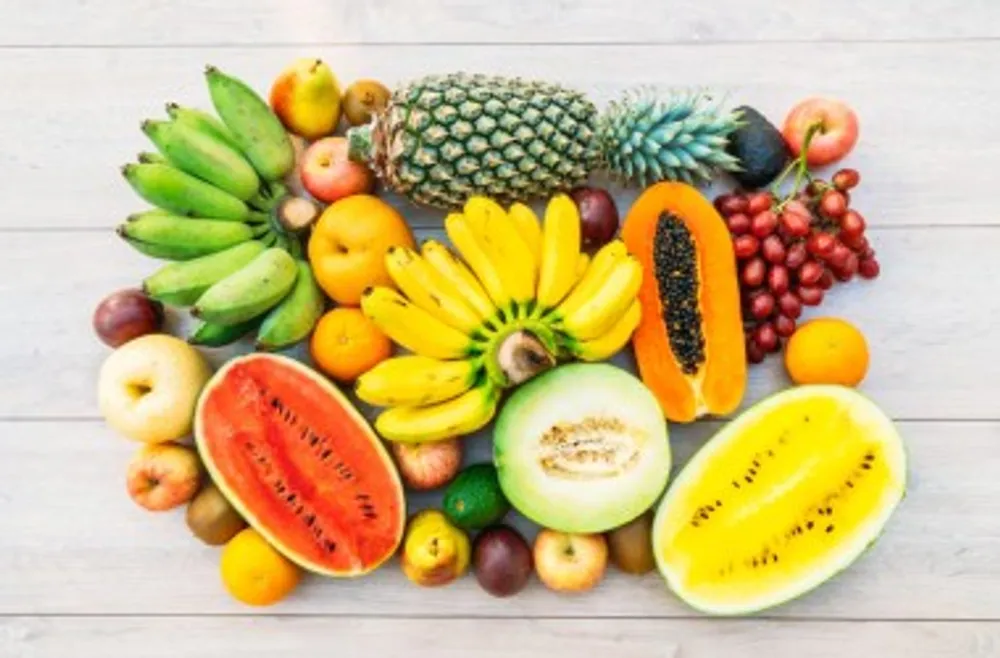
Managing blood sugar isn’t just about cutting out sugar completely. It’s about making smarter food choices, especially when it comes to fruits. Yes, fruits contain natural sugars, but not all of them affect your body the same way.
Some fruits are packed with fibre, antioxidants, and compounds that actually help your body process sugar better. They slow down how quickly sugar enters your bloodstream, reduce spikes, and support overall metabolic health. The key is knowing which ones to reach for and how to eat them.
Here’s a closer look at fruits that can support stable blood sugar levels and why they deserve a place in your diet.
Berries: Small but Powerful
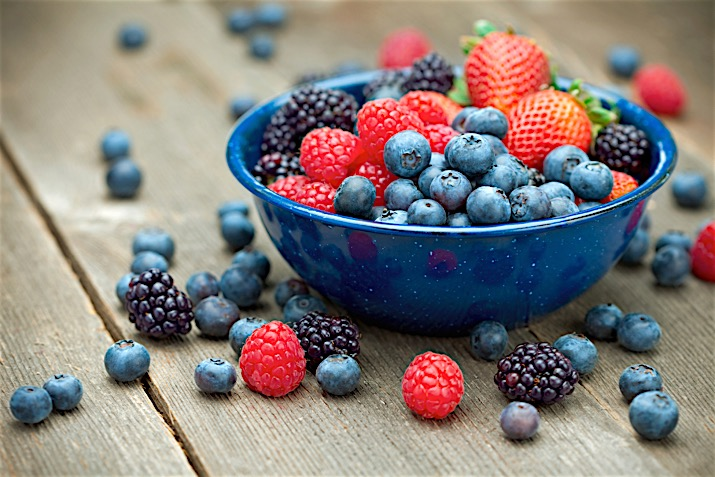
Berries might be small, but when it comes to blood sugar control, they do a lot of heavy lifting. Options like strawberries, blueberries, raspberries, and blackberries are naturally low in sugar and high in fibre.
That fibre is important because it slows down digestion. Instead of sugar rushing into your bloodstream all at once, it enters gradually, helping to prevent sharp spikes. On top of that, berries are rich in antioxidants, which support insulin sensitivity. This means your body becomes better at using insulin to regulate sugar levels.
Another advantage is how easy they are to add to your meals. You can toss them into yogurt, blend them into smoothies, or eat them as a snack. They satisfy sweet cravings without causing the kind of sugar crash that processed snacks often bring.
Read: 6 Nigerian Breakfasts That Don’t Spike Sugar
Apples and Pears: Keeping the Doctors Away
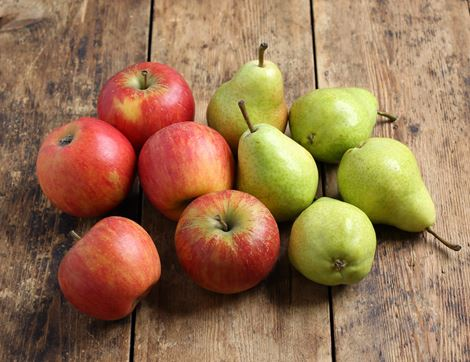
Apples and pears are some of the most accessible fruits, and they are surprisingly effective for blood sugar management. They have a low glycemic index, which simply means they don’t cause rapid spikes in blood sugar.
A big part of their benefit comes from their skin. When eaten whole, apples and pears provide soluble fibre that slows down sugar absorption and keeps you feeling full for longer. This can also help reduce overeating, which plays a role in maintaining stable blood sugar levels.
They also contain plant compounds that support overall metabolic health. Something as simple as eating an apple before a meal can even help reduce the blood sugar rise that comes after eating.
The key here is to eat them whole, not as juice. Once juiced, the fibre is removed, and the sugar is absorbed much faster, which defeats the purpose.
Citrus Fruits: Fresh, Light and Effective
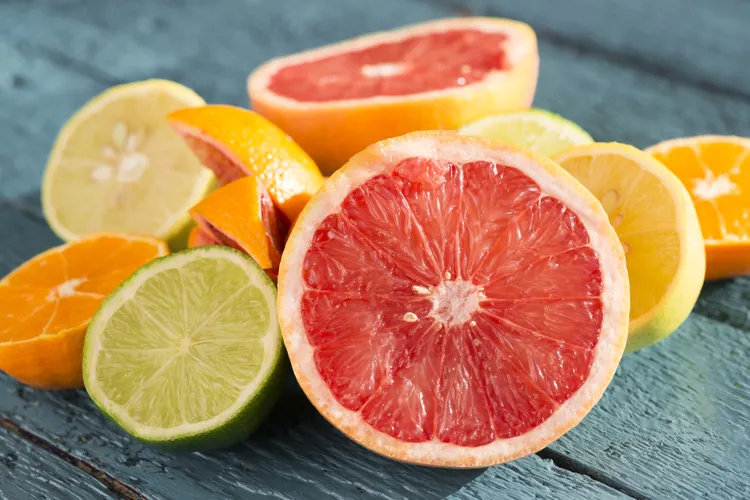
Citrus fruits like oranges, grapefruits, lemons, and limes are often underrated when it comes to blood sugar control. They are rich in fibre and contain natural compounds that help improve how the body responds to insulin.
Even though they taste sweet, most citrus fruits have a low to moderate glycemic index. This makes them a safer option compared to many sugary snacks or desserts. The fibre content also helps slow digestion, keeping blood sugar levels more stable after eating.
Beyond blood sugar, citrus fruits also support hydration and provide essential vitamins like vitamin C, which plays a role in overall immune health.
Again, the form matters. Eating a whole orange is very different from drinking orange juice. The juice may seem healthier, but it delivers sugar quickly without the balancing effect of fibre.
Read: Nine Healthy Snacking Ideas To Try for Busy Days
Avocados: The Unexpected Blood Sugar Hero
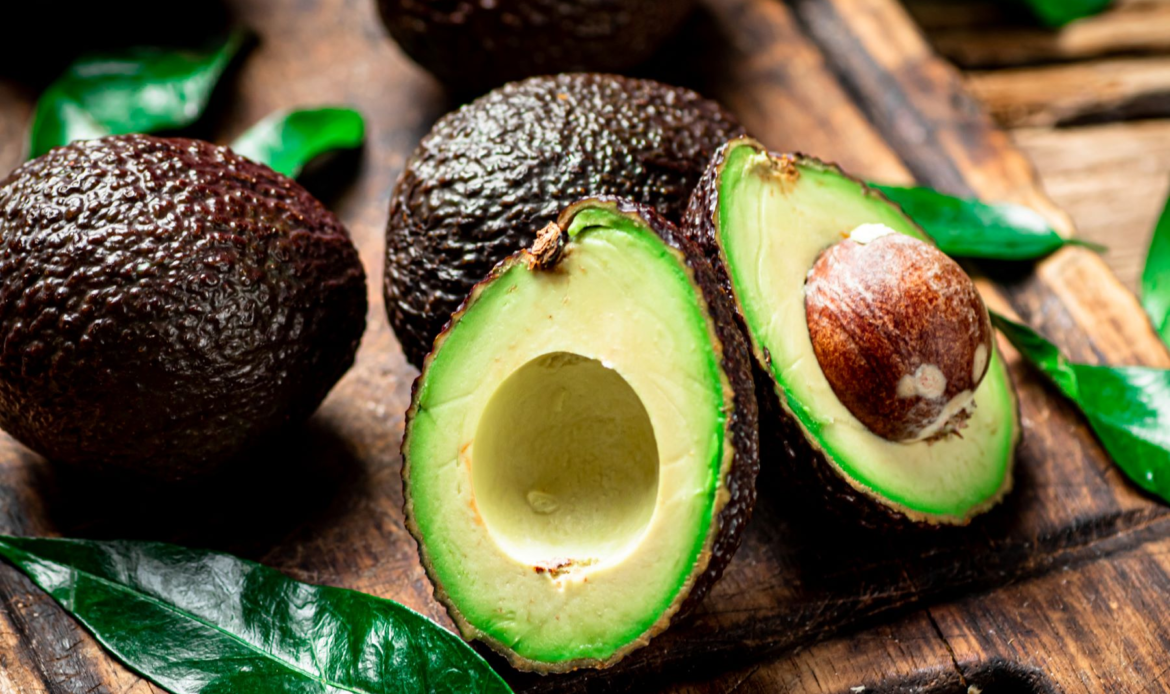
Avocados don’t taste sweet, but they are technically fruits, and they are one of the best options for blood sugar control. Unlike most fruits, they are very low in sugar and high in healthy fats and fibre.
These healthy fats slow down digestion and help prevent sudden increases in blood sugar after meals. They also improve satiety, meaning you feel full for longer and are less likely to snack on high-sugar foods.
Avocados also support insulin sensitivity, which is key for long-term blood sugar management. Adding them to meals, whether in salads, spreads, or alongside grains, can help balance out the overall effect of what you’re eating.
They are especially useful when paired with higher-carb foods, as they help reduce the overall glycemic impact of the meal.
So, Are You Choosing Your Fruits Wisely?
Managing blood sugar doesn’t mean avoiding fruits, it means understanding them. Choosing whole fruits, paying attention to portions, and pairing them with healthy fats or proteins can make a real difference.
Now think about your daily routine. Are you reaching for whole fruits or just juices? Are you balancing your meals or relying on quick fixes?
If this helped you see fruits differently, share it with someone who needs it. And for more practical, easy-to-understand health content, follow RefinedNG.