
Nigeria’s electricity problem is well known: unreliable grid power that forces households and businesses onto diesel generators they can barely afford to run. Less visible is the slower, steadier work of building an alternative. One solar installation, one policy conversation, one small business at a time.
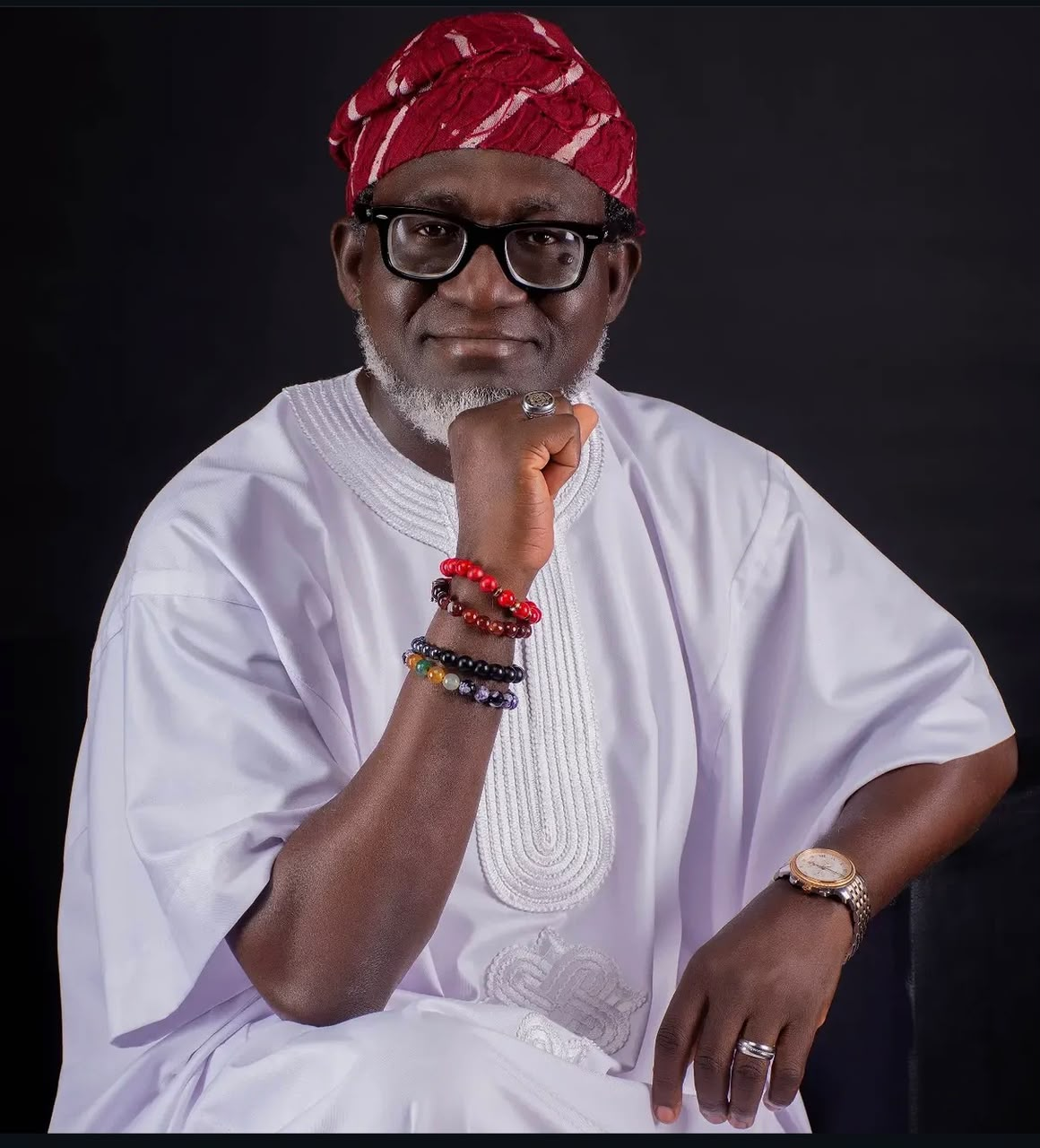
For nearly two decades, Dr. Segun Adaju has worked in the unglamorous space between engineering and policy. He consistently argues that off-grid solar is Nigeria’s true power solution, not just a temporary stopgap.
Read: Fope Adelowo Is Helping Decide Which African Tech Ideas Get to Scale
From Consulting on Energy Access to Running It
Adaju built his early career as a consultant on energy access and efficiency projects funded by DfID, UNDP, USAID and the World Bank, the kind of institutional groundwork that rarely makes headlines but shapes how energy policy gets written.
That experience, paired with a B.Sc in Economics and an MBA from the University of Lagos, and executive education at Harvard Business School, MIT Sloan and the Frankfurt School of Finance & Management, positioned him to move from advising the sector to building inside it.
Today, he leads Consistent Energy Limited as its chief executive. He also serves as Lead Consultant of BlueOcean Nigeria, where he manages the SolarDirect brand, off-grid solar power systems built specifically for small businesses that can’t afford to keep running on generators.
The Industry’s Voice at the Policy Table
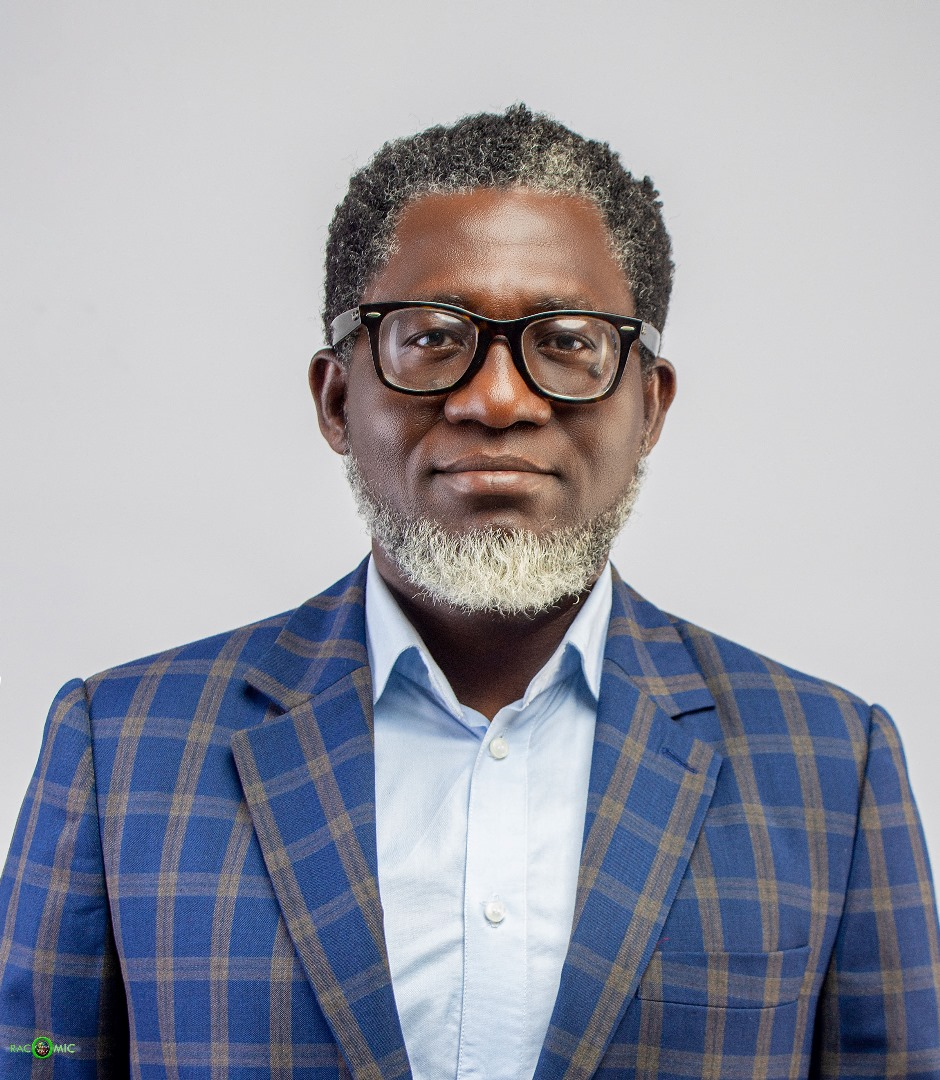
Adaju is also President of the Renewable Energy Association of Nigeria (REAN), the body representing the country’s private renewable energy sector.
In that role, he attended one of the year’s most consequential energy policy milestones: the August 2026 launch of the Renewable Asset Management Company (RAMCO).
Nigeria’s Rural Electrification Agency and Federal Ministry of Power created RAMCO to manage and sustain publicly funded renewable energy assets instead of letting them deteriorate after official launch events.
Industry commentators, Adaju among them, have described it as a structural shift in how Nigeria thinks about the long-term life of its renewable energy infrastructure, not just its installation.
He championed this message across major industry events, including the Nigeria Solar Forum, Solar & Storage Live Nigeria, the National Solar Energy Forum, and the Nigerian Economic Summit Group.
Throughout these dialogues, he consistently argued that decentralised renewable energy offers the fastest route to power businesses abandoned by the grid.
Read: Olamide Olowe Steps Down as Topicals CEO, Names Fenty Beauty Executive as Successor
Why the Unglamorous Work Matters
Adaju’s title at Consistent Energy, Chief Energising Officer, is a small joke with a real point behind it.
Nigeria’s energy transition won’t be won by a single mega-project; it will be won by thousands of small businesses that finally have power reliable enough to operate on, financed and maintained well after installation. That is the harder, less photogenic problem Adaju has built a career around solving.
At RefinedNG, we spotlight Africans whose work is shaping the systems and industries that will define the continent’s future. Follow RefinedNG for more stories on the people building what comes next.