
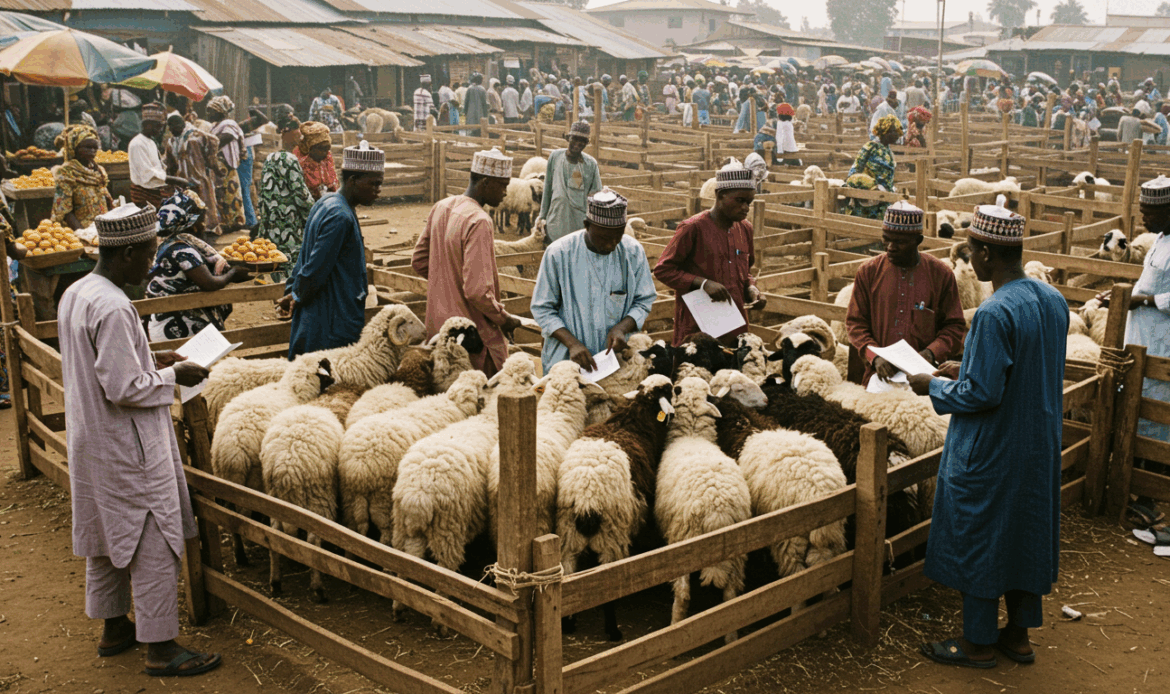
As the smell animal dung begins to tease the air and tailors start ignoring calls, you know what time it is—Ileya is around the corner. Eid al-Adha, or Ileya as we fondly call it in Nigeria, is one of the most anticipated celebrations of the year. It’s spiritual. It’s social. It’s family. And yes—it’s expensive.
There’s the ram. The clothes. The food. The guests. The logistics. And somehow, it all seems to pile up faster than you can say “Eid Mubarak.” It’s easy to get swept up in the festive energy, spending freely in the name of celebration. But just like Detty December, if you don’t plan for Ileya, you may be left financially drained by mid-July—right when reality kicks back in.
This article isn’t here to kill the vibe. In fact, it’s here to help you enjoy Eid to the fullest—without going broke. Whether you’re the host with the most or just trying to keep up with family expectations, we’ll walk you through how to prepare for Ileya in a financially smart, stress-free way. Spoiler alert: yes, you can still slaughter a ram and have jollof without emptying your account.
Know the True Cost of Celebrating Eid
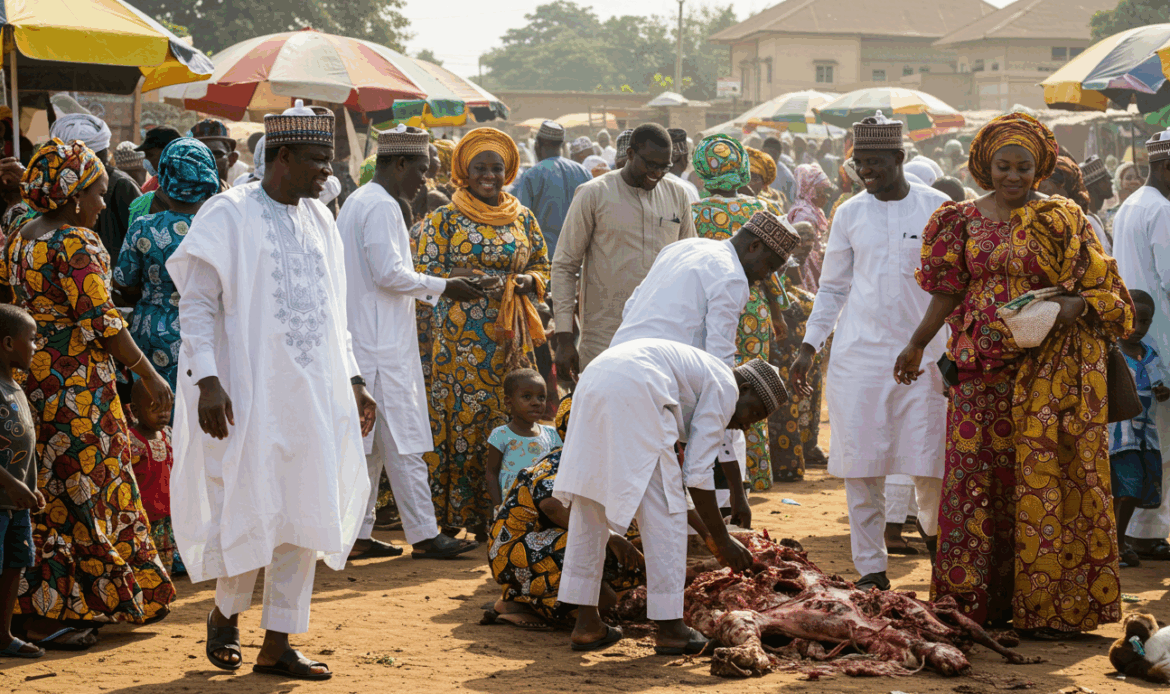
One of the easiest ways to fall into financial panic during Ileya is to underestimate the true cost of the celebration. The focus is usually on the ram—but truthfully, that’s just one line item on a much longer list. Before you start spending, take a clear-eyed look at what celebrating Eid al-Adha in Nigeria entails.
Start with the big ones. The price of a ram is always on the rise as the holiday approaches. Depending on your location, size, and quality, a decent ram can cost anywhere from ₦120,000 to over ₦300,000. Then there’s clothing. Whether it’s for you, your kids, your spouse, or the entire extended family, sewing new outfits can swallow tens of thousands—especially if you’re doing group aso-ebi.
Let’s not forget the hosting duties. Ileya is a time when your house becomes a mini-party venue. Visitors will come and go. You’ll need bags of rice, cartons of drinks, seasoning, meat, gas or firewood, and enough energy to feed a small army. Then there are the small—but dangerous—expenses: fuel for your gen, that new blender to replace the old one, the chairs you rented, the paint you bought because the house “must shine,” or the cooler you didn’t even realise you needed.
If you’re travelling, that’s another layer. Transport costs, hotel stays, or gifts for elders at home all add up. And if you’re observing Zakat (charitable giving), then that should be part of the budget too—not an afterthought.
The first step to financial peace this Ileya is knowing precisely what it will cost you. Write it down. Make a list. Tally it honestly. You can’t manage what you don’t measure.
Read: Why Managing Your Money Wisely Is Also an Act of Giving
Start With What You Have—Not What You Wish You Had
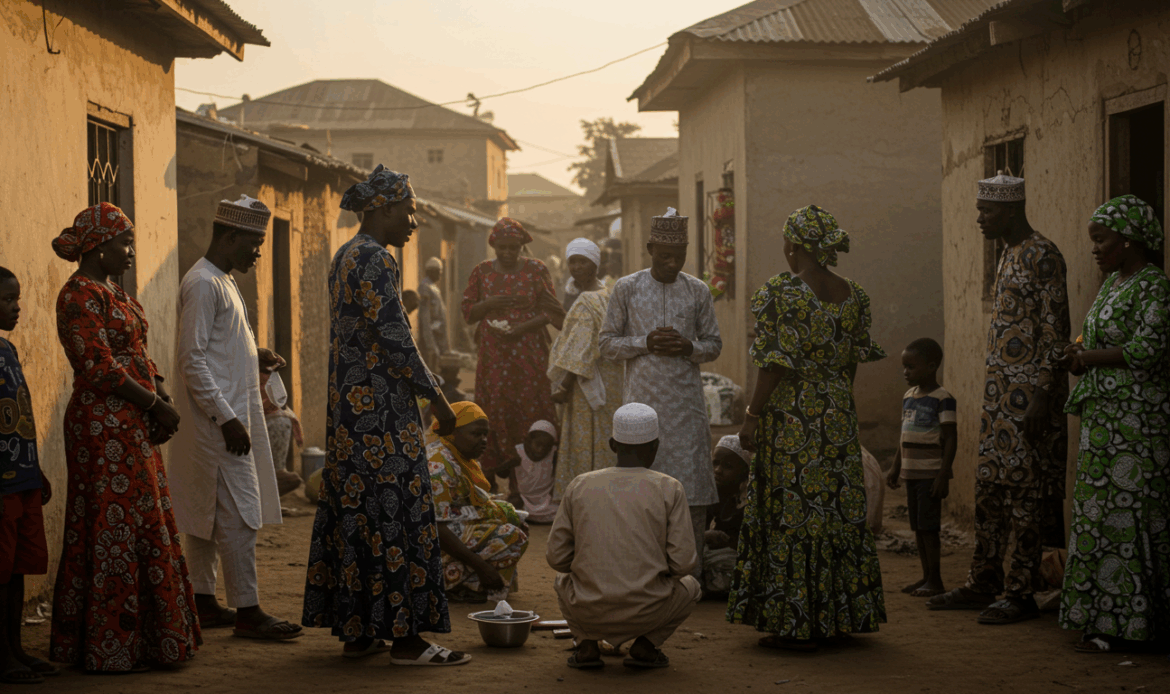
Ileya is one of those seasons where comparison can sneak in and wreck your financial common sense. You scroll online and see someone already pricing cows instead of rams, or you hear that your cousin’s tailor is flying in from Dubai. Suddenly, your modest budget starts to feel like poverty. But here’s the truth: not everyone is spending from their pocket. Some people are spending from loans. Others are spending from debt. Some are simply doing the most for optics—and suffering quietly in July.
This is where financial discipline matters most. Celebrate Ileya based on your income, not your aspirations. You don’t need to meet anyone’s standard of “doing it big” if it will leave your account in recovery mode. What you have is enough—if you plan with it wisely.
Set a firm, honest budget for your celebration. How much can you actually afford to spend this season—on the ram, clothes, food, and other essentials? That’s your financial fence. Don’t cross it. Prioritize needs over vibes. Feeding your guests with love and simplicity will always be more impactful than impressing the neighbourhood with extravagance.
If you can’t afford a ram alone, consider contributing to a family ram or buying a smaller one. If sewing new clothes for everyone isn’t feasible, consider restyling or revamping what you already own. No one will know, and honestly, no one is looking that hard.
Ileya isn’t about perfection—it’s about purpose. Start from your financial reality, and build a celebration that honours both your spirit and your wallet.
Learn how to prepare financially for Ileya without overspending. Smart budgeting tips, festive cost breakdowns, and money-wise ways to enjoy the season.
Money-Smart Ways to Save or Spend Less
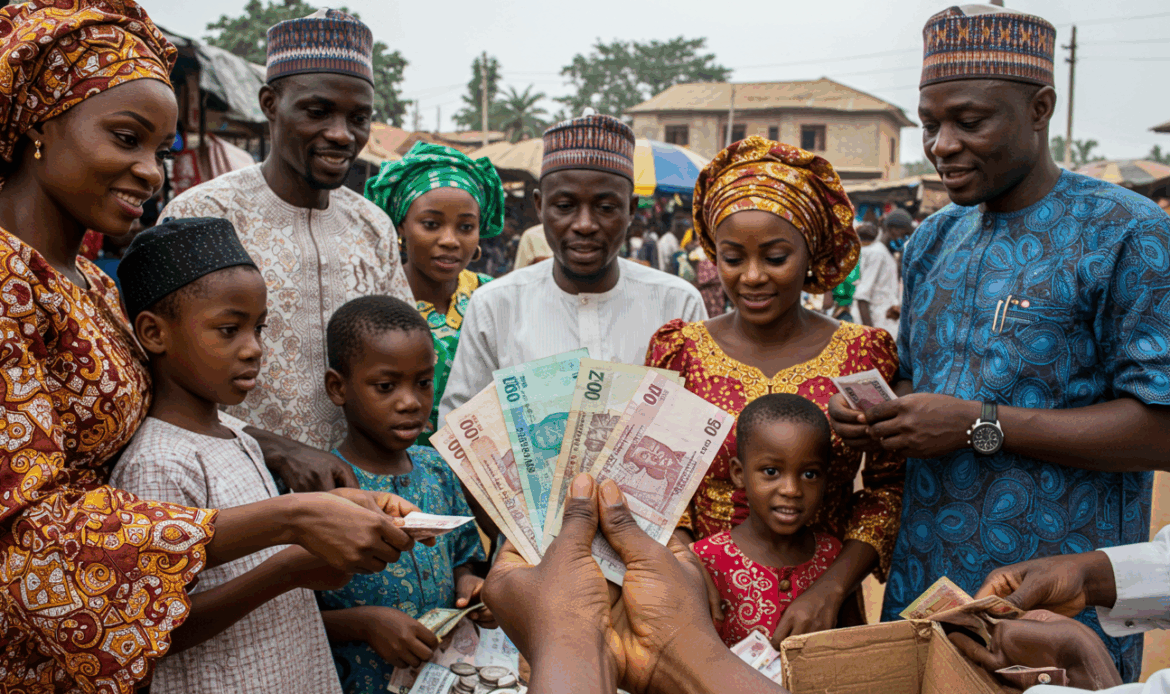
Celebrating Eid doesn’t have to mean maxing out your bank account. With a little creativity and intentional planning, you can enjoy Ileya to the fullest—without stretching your finances to the point of regret.
Let’s start with the ram. Prices skyrocket the closer you get to Eid day, so the best move is to buy early. If that’s still out of reach, consider splitting costs with family or friends. One cow shared among four or five households can go a long way and still serve everyone well. It’s not just smart—it’s communal, and that’s in the spirit of the season.
Clothing is another area where money disappears fast. Instead of sewing new outfits for every member of your family, consider alternatives. You could repurpose existing fabrics or re-wear styles from last year with a twist—new accessories, a fresh pair of shoes, or even just ironing and styling it well can go a long way. And if you must sew new ones, shop around. Don’t rely on the first tailor or vendor who gives you a quote—compare prices and negotiate.
Food is non-negotiable during Ileya, but how you buy it makes a difference. Buy foodstuff in bulk from local markets, not supermarkets. Team up with neighbours or family members to buy shared bags of rice or cartons of drinks. Plan meals ahead, so you’re not rushing last-minute and buying out of panic.
Also, check your kitchen before shopping. You might already have some items you thought you needed to buy—seasoning, oil, or even rice. And reuse what you can. The cooler from last year is still fine. So is that plastic chair you almost gave away. The goal is not to look rich—it’s to spend smart.
There’s nothing wrong with making your celebration look good. But it’s much better when it feels good because you know you didn’t overspend to make it happen.
Don’t Forget Post-Ileya Recovery
It’s easy to get caught up in the festive mood, but after Ileya comes real life. School fees don’t care that you bought a whole ram. Rent won’t give you a break because you served jollof to 50 guests. One of the biggest financial mistakes people make during celebrations like Eid is forgetting that life continues after the last piece of suya has been served.
Before you empty your account for Ileya, ask yourself: Do I have a plan for July? If the answer is no, it’s time to reassess. The goal is to enjoy the holiday, not to enter the next month in survival mode. Budget for your celebration, yes—but also leave breathing room for your regular bills, savings, and emergency expenses. It’s not stingy. It’s wise.
Avoid borrowing money just to “show face” during the holiday. A celebration that pushes you into debt is too expensive—no matter how good the vibes are. And after Ileya, don’t try to recover by overcompensating or taking on new loans. Instead, ease yourself back into your normal spending rhythm. Reduce your costs for a week or two. Cook more. Skip the impulse buys. Let your wallet rest.
Financial peace means planning for the party and the morning after. Don’t sacrifice next month’s comfort for one day’s clout.
Read: Ojude Oba: All You Need to Know About Ijebu’s Iconic FestivalR
Celebrate with Wisdom
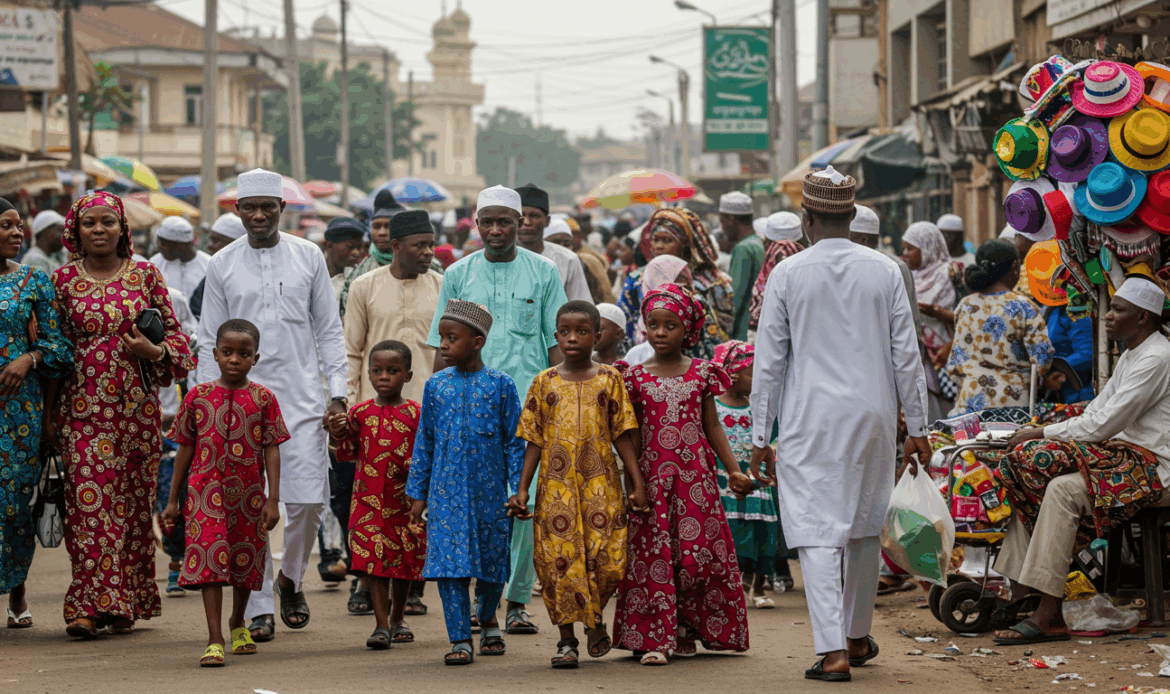
Ileya is about sacrifice, gratitude, and community—not financial pressure or showmanship. The most meaningful celebrations aren’t always the loudest or most expensive. They’re the ones done with joy, intentionality, and peace of mind.
So if you’re preparing for this Eid season, let wisdom lead your spending. You don’t have to go overboard to feel festive. You don’t have to compete with neighbours, impress distant relatives, or pretend your account balance is doing more than it is. There’s freedom in setting your budget and sticking to it. There’s pride in hosting people with what you can genuinely afford.
This year, make it your goal to celebrate without stress. Let your money reflect your values, not your insecurities. Spend within your means, save where you can, and remember that being financially responsible is also an act of self-respect.
Eid is a time for joy and reflection. Let your finances reflect that too.