
Mention African startups in most conversations and the same names often appear. Flutterwave. Paystack. Andela. Jumia. They deserve the attention they get, but they are only a small slice of what is happening across the continent.
Behind the well known companies sits a wider ecosystem of founders building solutions in places many people are not paying attention to yet. From Lagos to Cape Town, Nairobi to Cairo, young entrepreneurs are looking at everyday problems and asking a simple question. What if there was a better way to do this?
The answers have produced startups working on everything from farming and artificial intelligence to healthcare and market research. Some of these companies are still small. Some are gently expanding across borders. All of them offer a glimpse into how African innovation continues to grow in practical and surprising directions.
Here are ten African startups that may not dominate headlines yet but are building ideas worth knowing.
1. Releaf (Nigeria): Reinventing Palm Oil Processing

Palm oil runs through many parts of West African life. It appears in kitchens, markets, factories and export shipments. Yet the way palm oil is processed has barely changed in decades, especially for the smallholder farmers who produce much of the raw fruit.
Releaf started by looking closely at that gap. The Nigerian startup built technology designed to improve how palm nuts are processed and sourced. Instead of relying on slow and inefficient manual systems, Releaf uses data and new processing equipment to help factories access higher quality raw materials.
What makes the idea powerful is who it helps. Small farmers often struggle to get fair value for their produce because supply chains are fragmented. By organising sourcing and introducing smarter processing, Releaf connects those farmers to a more efficient system.
Agriculture is still one of the largest sectors in many African economies. Companies like Releaf show how innovation does not always mean building something entirely new. Sometimes, it means modernising an industry people have relied on for generations.
2. Aerobotics (South Africa): Farming With Drones and Data
Walk across a large farm and most problems are difficult to spot with the naked eye. A crop disease might begin in one corner of a field. Water stress might affect another section days before it becomes visible.
Aerobotics decided to give farmers a different perspective. The South African startup uses drones and satellite imagery to monitor crops from above. Its platform analyses the images and sends insights to farmers through a mobile application.
The information can reveal early signs of pests, plant stress or poor irrigation patterns. That means farmers can respond before problems spread across an entire field.
In regions where agriculture supports millions of livelihoods, improving yield even slightly can have major economic impact. Precision farming tools like those built by Aerobotics help farmers move from guesswork to data driven decisions.
Technology in agriculture often sounds futuristic, but for many farmers the real benefit is simple. Better information leads to healthier crops and more reliable harvests.
Read: Did You Know Côte d’Ivoire Produces the Most Cocoa in the World?
3. Zindi (South African): Building Africa’s Data Science Community
Artificial intelligence has become one of the most discussed technologies in the world. But behind every AI system sits a large community of data scientists writing algorithms, testing models and solving complex problems.
Zindi is helping build that community across Africa.The platform hosts data science competitions where companies present real challenges and thousands of African data scientists attempt to solve them. Participants build machine learning models, analyse datasets and compete for prizes while sharpening their skills.
For many young professionals across the continent, Zindi has become a gateway into the global AI ecosystem. It gives them a chance to work on real industry problems without leaving their home countries.
At the same time, companies gain access to a growing pool of technical talent that might otherwise remain invisible. The result is a platform that benefits both sides of the innovation equation.
As artificial intelligence continues shaping industries worldwide, communities like the one Zindi is building could play an important role in ensuring African talent contributes to that future.
4. Ubenwa (Nigeria / Canada): Diagnosing Illness From a Baby’s Cry
Every newborn cries. It is one of the first signals of life doctors listen for in delivery rooms. But those cries can also contain subtle clues about a baby’s health.
Ubenwa built technology around that idea.
The startup developed an artificial intelligence system that analyses the sound of infant cries to detect signs of birth asphyxia, a condition caused by oxygen deprivation during delivery. If not detected early, the condition can lead to serious complications.
The concept is surprisingly simple to use. A healthcare worker records a baby’s cry using a smartphone, and the system analyses the audio pattern for warning signals.
In many hospitals across Africa and other developing regions, advanced medical equipment can be scarce. A tool that works with a basic smartphone could allow healthcare workers to screen newborns quickly and flag potential cases earlier.
It is a reminder that some of the most meaningful innovations do not look flashy. Sometimes they come from listening carefully to something people hear every day.
5. Rwazi (Mauritius): Market Research From Everyday Consumers
Companies often want to know what consumers are buying, why they choose certain products and how spending habits change over time. In many emerging markets, that information can be surprisingly difficult to collect.
Rwazi approached the problem from a different angle. Instead of relying only on surveys and reports, the platform gathers purchasing data directly from everyday consumers who voluntarily share information about their shopping habits.
Artificial intelligence then processes the data to generate insights about trends, pricing behaviour and demand patterns.
For global companies entering new markets, reliable consumer data can shape everything from product design to pricing strategies. Rwazi’s approach turns thousands of small everyday transactions into a clearer picture of how markets actually behave.
The company shows how digital platforms can transform something as routine as buying groceries into valuable economic intelligence.
6. BACE Group (Ghana): Solving the Digital Identity Challenge
Opening a bank account or accessing financial services increasingly happens online. But digital services create a new challenge. How do institutions confirm someone’s identity when they are not physically present?
BACE Group focuses on that problem.The Ghanaian startup develops identity verification systems that use facial recognition, liveness detection and biometric technology. The tools help banks, fintech companies and other organisations confirm that a person is exactly who they claim to be.
Reliable digital identity systems are becoming essential for financial inclusion. Many people across Africa still struggle to access services because identity verification can be slow or complicated.
By making remote verification more secure and efficient, companies like BACE Group help expand access to banking and digital services.It is one of those technologies that operates behind the scenes but powers many of the systems people now rely on daily.
7. Instadeep (Tunisia): Deep Tech From North Africa

Artificial intelligence companies often emerge from Silicon Valley or major European tech hubs. Instadeep proves they can also grow from North Africa.
Founded in Tunisia, the company focuses on advanced machine learning systems designed to solve complex optimisation problems. Its technology has been used in industries ranging from logistics to biotechnology.
The company reached a major milestone when it was acquired by BioNTech, the global biotechnology firm known for its work on mRNA vaccines.
The acquisition drew international attention to North Africa’s growing deep tech ecosystem. It also showed that African founded companies can compete in some of the most technically demanding areas of innovation.
For many young engineers across the continent, stories like Instadeep’s expand what feels possible.
Read: How Kiira Motors Is Building Africa’s Electric Future
8. Clevva (South Africa): AI That Helps Employees Make Decisions
Customer service teams deal with complex questions every day. A bank employee might need to explain loan options. A telecom worker might troubleshoot a technical issue. The answers are not always simple.
Clevva built artificial intelligence designed to help with those moments.Instead of replacing employees, the system guides them through decision trees and recommended actions. When a staff member faces a difficult question, the AI suggests accurate responses based on company policies and data.
Banks and telecom companies use the platform to improve consistency and reduce errors in customer support. The idea highlights an important shift in artificial intelligence. Not every AI system replaces human workers. Some are built to make human decisions faster and more reliably.
In service driven industries, that kind of support can improve both employee confidence and customer experience.
9. Synapse Analytics (Egypt): Turning Emails Into Market Intelligence
Promotional emails and digital receipts arrive in inboxes every day. Most people read them briefly or ignore them entirely.
Synapse Analytics saw something else hidden inside them. Data.
The Egyptian startup developed technology that analyses anonymised purchase information from emails and receipts to identify consumer spending patterns. The insights help companies understand what products people buy, how often they shop and how prices influence behaviour.
In fast growing e-commerce markets, these patterns can reveal powerful trends. Retailers can adjust inventory. Brands can track changing demand. Investors can better understand emerging consumer sectors.
By transforming everyday digital clutter into structured information, Synapse Analytics offers companies a clearer view of how modern consumers behave.
10. DataProphet (South Africa): Making Factories Smarter
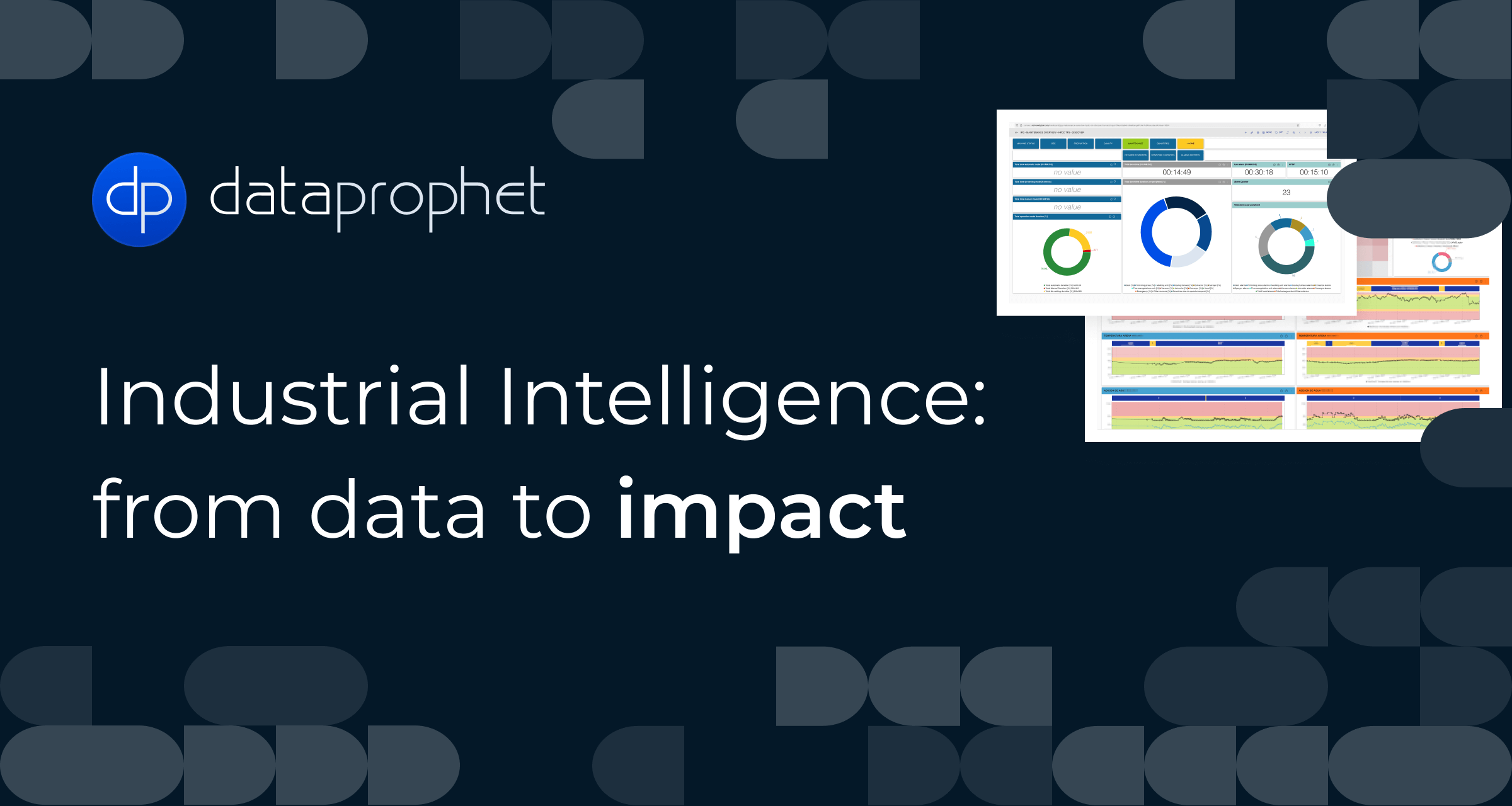
Manufacturing relies on precision. A small error on a production line can lead to wasted materials, faulty products and financial losses.
DataProphet focuses on preventing those problems before they happen.
The South African startup uses machine learning to analyse data from manufacturing equipment. Its software detects subtle patterns that indicate when a machine might produce defects or when a process is drifting away from optimal performance.
Factory managers receive insights that allow them to adjust operations quickly and reduce waste.
As African economies continue expanding their manufacturing sectors, tools like these could play a role in improving productivity and competitiveness.
Smarter factories mean stronger supply chains, better quality products and more resilient industries.
Africa’s Next Big Companies May Already Be Here
The African startup ecosystem continues to grow in ways that are not always visible from the outside. New companies appear in agriculture, artificial intelligence, healthcare, manufacturing and digital services almost every year.
Some startups will remain small and focused on specific problems. Others may evolve into the next generation of major African tech companies.
What connects them all is a willingness to look closely at everyday challenges and imagine practical solutions.
If you enjoy discovering the people and ideas shaping Africa’s future, follow RefinedNG for more stories highlighting innovative startups culture and progress across the continent.