
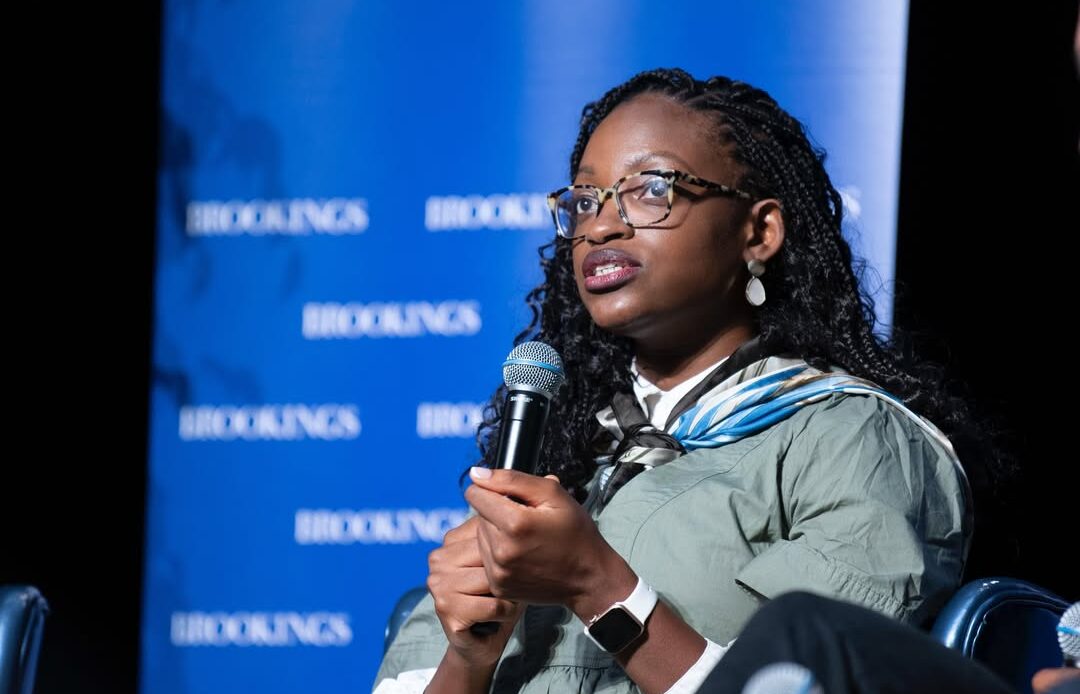
Nigerian artificial intelligence researcher Chinasa T. Okolo has reached another major milestone, joining the World Bank as part of the 2026 World Bank Group Africa Fellowship. Her appointment places her at the centre of global conversations on how emerging technologies can be used to tackle some of the world’s most pressing development challenges.
At the World Bank, Okolo will work within the Development Economics Research Group, specifically in the Poverty, Inequality, and Human Development unit. Her role will focus on developing and applying artificial intelligence models to support socioeconomic development, while also contributing to the highly influential World Development Report.
This move signals not only a personal achievement but also a broader shift, one that reflects the growing influence of African researchers in shaping global technology policy and development strategy.
Read: Before MTN, Airtel and Glo… There Was Econet
Bridging AI and Real-World Development
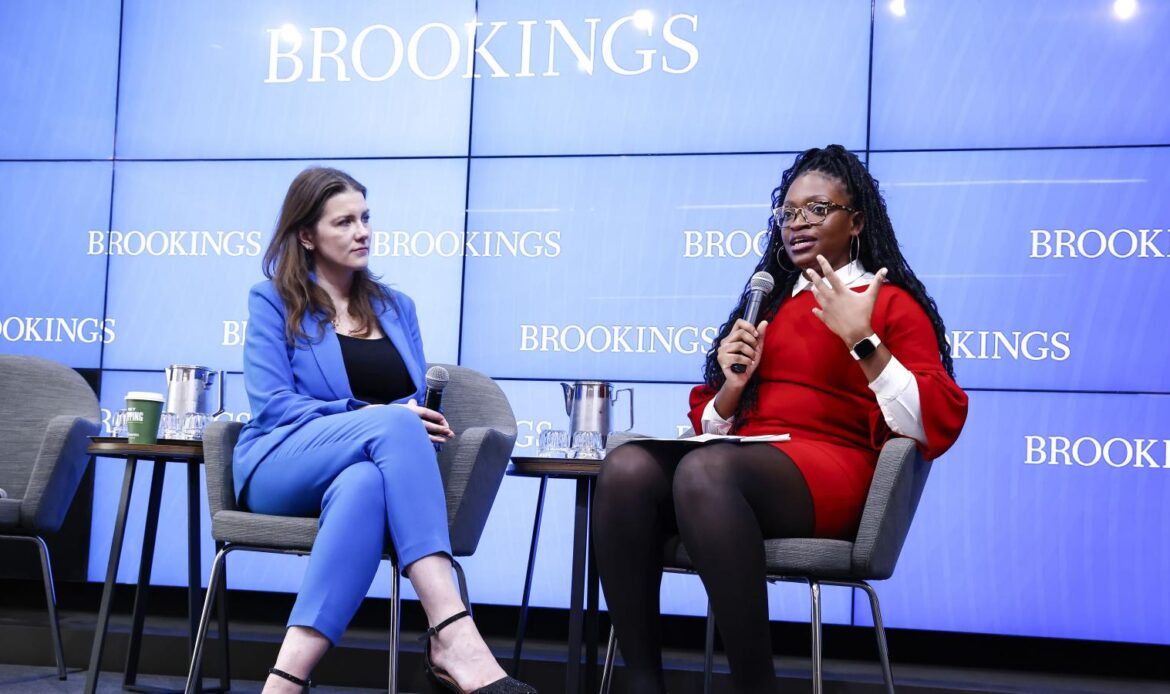
Okolo’s work combines artificial intelligence, public policy, and social impact. At a time when AI is rapidly transforming industries, her focus remains clear: ensuring that these technologies serve communities, particularly in low- and middle-income countries.
Through her fellowship, she will contribute to research that explores how AI can improve key sectors such as healthcare delivery, education access, financial inclusion, and public service systems. These are areas where digital innovation has the potential to drive measurable change, but only if applied responsibly.
Her role also involves contributing to frameworks that guide ethical AI adoption. This includes addressing concerns around bias, data governance, and digital inequality, issues that often disproportionately affect developing regions.
By embedding technical expertise within development policy, Okolo represents a new generation of researchers working to ensure that innovation is not just advanced, but also inclusive.
A Track Record of Global Impact
Before joining the World Bank, Okolo had already built an impressive portfolio across academia, industry, and policy. She holds both a master’s degree and a PhD in computer science from Cornell University, where her research focused on AI explainability and its implications for communities in the Global South.
Her professional experience includes research roles at major technology companies like Apple and Microsoft, as well as policy work with global institutions. She previously served as a fellow at the Brookings Institution, where she contributed to conversations around data governance and the societal impact of emerging technologies.
Okolo has also played a role in shaping AI strategies at both continental and national levels, contributing to policy discussions linked to the African Union and Nigeria’s artificial intelligence frameworks.
Her work has earned global recognition, including being named on the TIME100 AI list and the Forbes 30 Under 30 AI list, further cementing her position as a leading voice in responsible AI development.
Read: Autumn Durald Arkapaw Becomes the First Woman to Win Best Cinematography
A Defining Moment for African Innovation
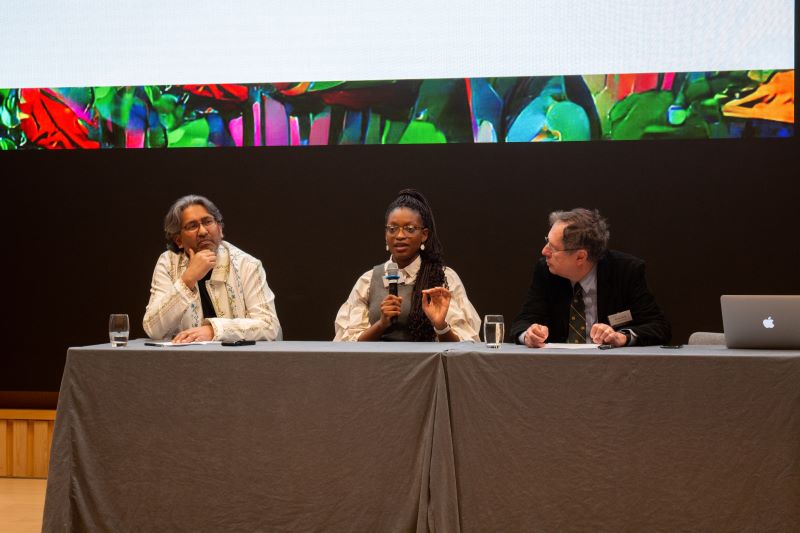
Okolo’s appointment comes at a critical time when international institutions are increasingly turning to technology to address development challenges. From climate resilience to economic inclusion, AI is becoming a key tool in shaping future policy and voices like hers are essential in ensuring those solutions are equitable.
Her presence at the World Bank also reinforces the importance of representation in global decision-making spaces. As African countries continue to adopt digital technologies, having experts who understand both the technical and social dimensions of these systems is crucial.
Beyond the recognition, this milestone represents something bigger: a shift in who gets to design the future of technology and development. For many young Africans in tech, Okolo’s journey offers a powerful example of what is possible when expertise meets opportunity on a global stage.
Stay informed on the people and innovations shaping Africa’s future. Follow RefinedNG for more stories on technology, culture, and global impact. Visit refinedng.com and join the conversation.