
Ask a random Nigerian about tourist destinations and you will likely hear Obudu, Yankari, or Lekki Conservation Centre. Fair enough. But here is something many people do not know. Nigeria’s very first UNESCO World Heritage Site is not one of those popular spots. It is the Sukur Cultural Landscape, inscribed in 1999.
Sukur is not just a place you visit just for pictures. It is a living story of how a community organised itself, built with intention, and thrived long before modern systems came into play. Sitting in Adamawa State, it holds centuries of history in its stones, pathways, and traditions.
Once you understand what Sukur represents, it stops being just a location and starts feeling like a time capsule you can actually walk through.
Read: UNESCO World Heritage Sites in Nigeria
A Kingdom on the Mountain: Where Sukur Lives and Breathes
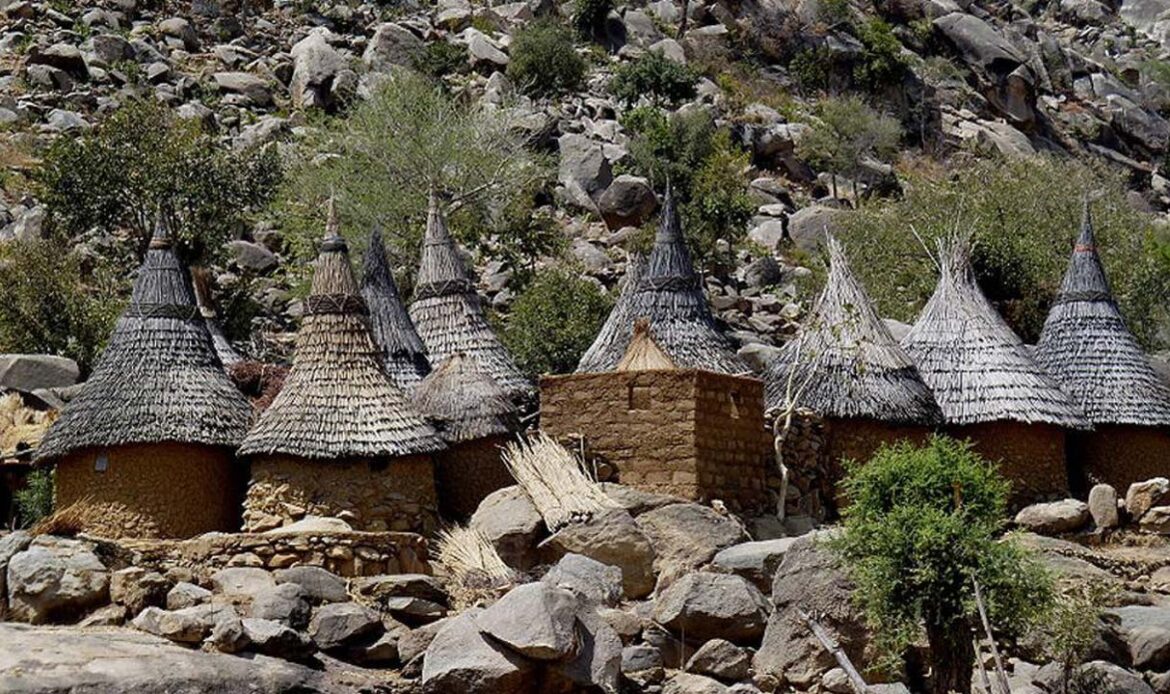
Sukur sits in Madagali Local Government Area of Adamawa State, close to the Nigeria and Cameroon border. You will find it high up in the Mandara Mountains, standing at over 1,000 metres above sea level. The moment you picture that elevation, you already get a sense of how different it is from your typical tourist destination.
Getting around Sukur feels like stepping into a carefully planned environment. Stone-paved paths guide movement through the settlement. Terraced farmlands stretch across the hills, showing how the people adapted agriculture to a mountainous landscape. Nothing looks random. Every part of the environment feels intentional.
The settlement itself is split into two sections. The upper part sits closer to the top of the hill and houses the palace and key structures. The lower part holds the homes of the people. This layout tells you something important. Sukur was not just built to exist. It was built to function, to organise people, and to protect them.
That mountain location also served as a natural advantage. It offered security and a clear view of the surroundings. At the same time, it shaped how people farmed, built homes, and moved within their community. By the time you take all this in, it becomes clear that Sukur is not just beautiful. It is deeply strategic.
Built in Stone: Architecture, Power, and Everyday Life
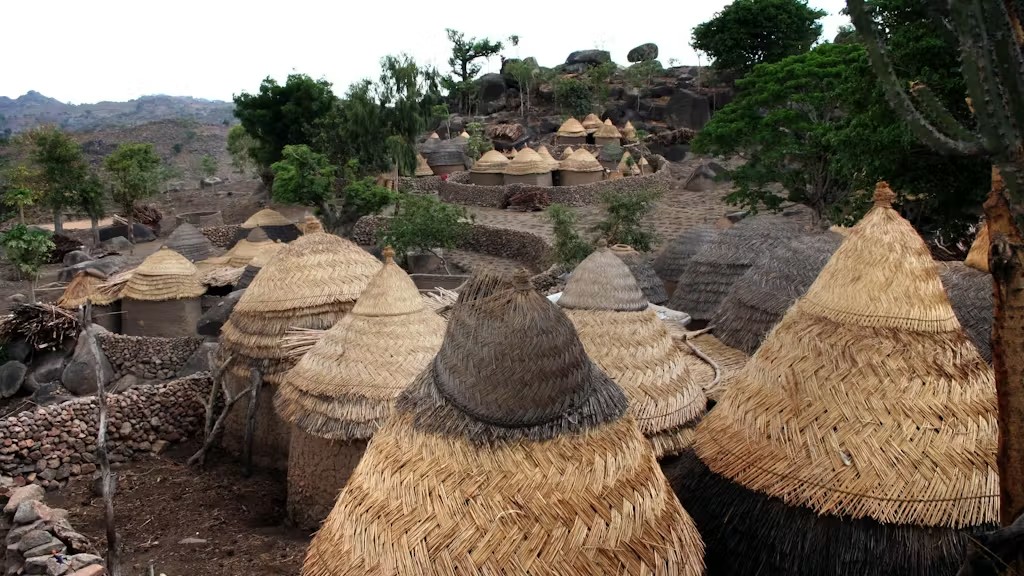
One of the first things that stands out in Sukur is its architecture. The entire landscape leans heavily on dry-stone construction. This means the structures were built using carefully arranged stones without mortar. And yet, they have stood strong for centuries.
At the centre of it all sits the Hidi’s Palace. The Hidi is the traditional ruler, and his palace is both a political and spiritual hub. The structure is built from local granite and enclosed within strong stone walls. It includes spaces for residence, livestock, and ceremonial activities. When you look at it, you see more than a building. You see authority and order.
As you move away from the palace, the rest of the settlement unfolds in layers. The upper area holds key structures and leadership spaces, while the lower section contains family compounds. The homes are simpler, built with clay and thatch, but still organised within defined boundaries.
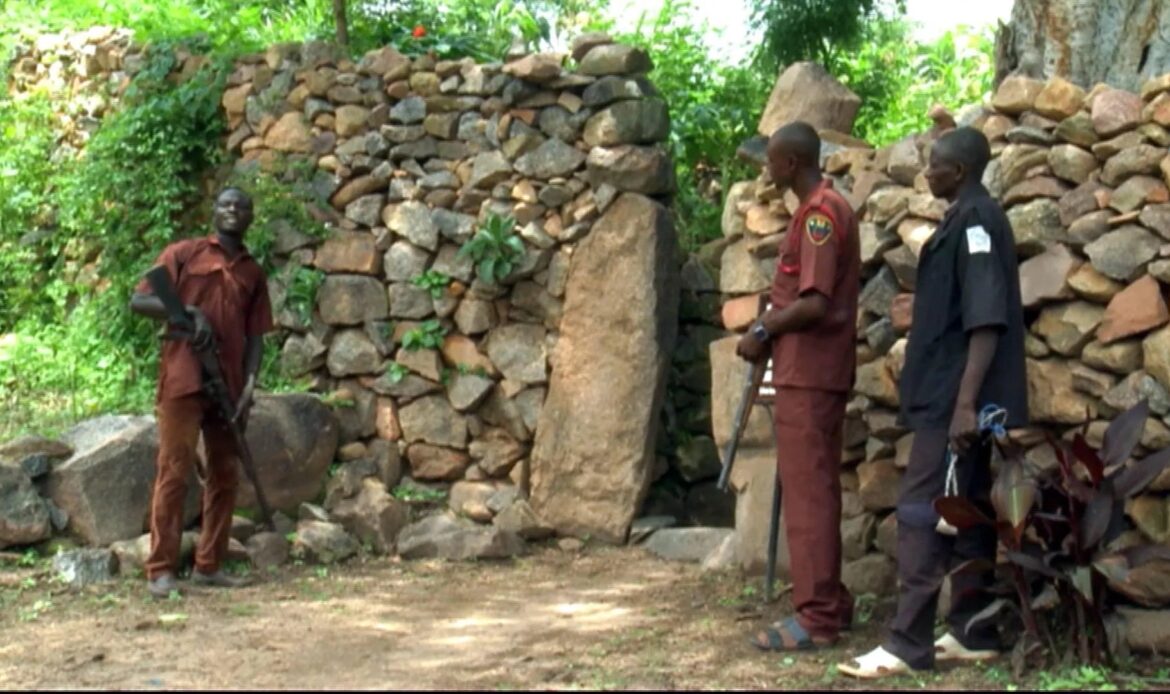
Stone walls run across the landscape, marking spaces and offering protection. Pathways connect different parts of the community, making movement easy despite the terrain. Even burial grounds sit within the structure of the settlement, showing how deeply culture and daily life are connected.
Walking through Sukur in your mind, you begin to see a system. People knew where to live, where to gather, and how to organise their environment. Nothing feels accidental.
Read: What Do You Know About Idanre Hills
Fire and Iron: The Industry That Shaped Sukur
Beyond structure and organisation, Sukur also thrived as a centre of industry. Iron smelting played a major role in the community’s history. Evidence of this still exists in the form of furnace remains, tools, and grindstones scattered across the landscape.
Long before modern factories, the people of Sukur worked with fire and metal to produce iron. This was not a small operation. The community became known as a supplier of raw materials across north-eastern Nigeria. That tells you there was trade, skill, and a clear economic system in place.
Each household involved in iron work had its own furnace setup. These were not decorative features. They were tools of survival and growth. The ability to produce iron meant tools for farming, weapons for defence, and goods for exchange.
Of course, history brought its challenges. Invasions and conflicts disrupted the community and slowed down iron production. Over time, many people moved away from the hills to the plains. Still, the traces of that industry remain, telling the story of a people who understood both craft and commerce.
Why Sukur Still Matters Today
In 1999, UNESCO recognised Sukur as a World Heritage Site. That made it the first in Nigeria and the first cultural landscape in Africa to receive that recognition. The reason is simple. Sukur preserves a way of life that has lasted for centuries.
It shows how a community can combine leadership, culture, architecture, and industry into a functioning system. Also, it reminds us that innovation did not start today. It has always existed, just in different forms.
For tourism, Sukur offers something rare. It is not just a place to visit. It is a place to learn, reflect, and appreciate history in its physical form. For culture, it stands as a strong reminder of identity and continuity.
Sukur may not trend on social media every day, but its significance runs deep. And once you know its story, it is hard to overlook.
If you enjoy discovering places like this, follow RefinedNG and share this piece with someone who needs a fresh perspective on Nigeria’s rich history and tourism potential.