
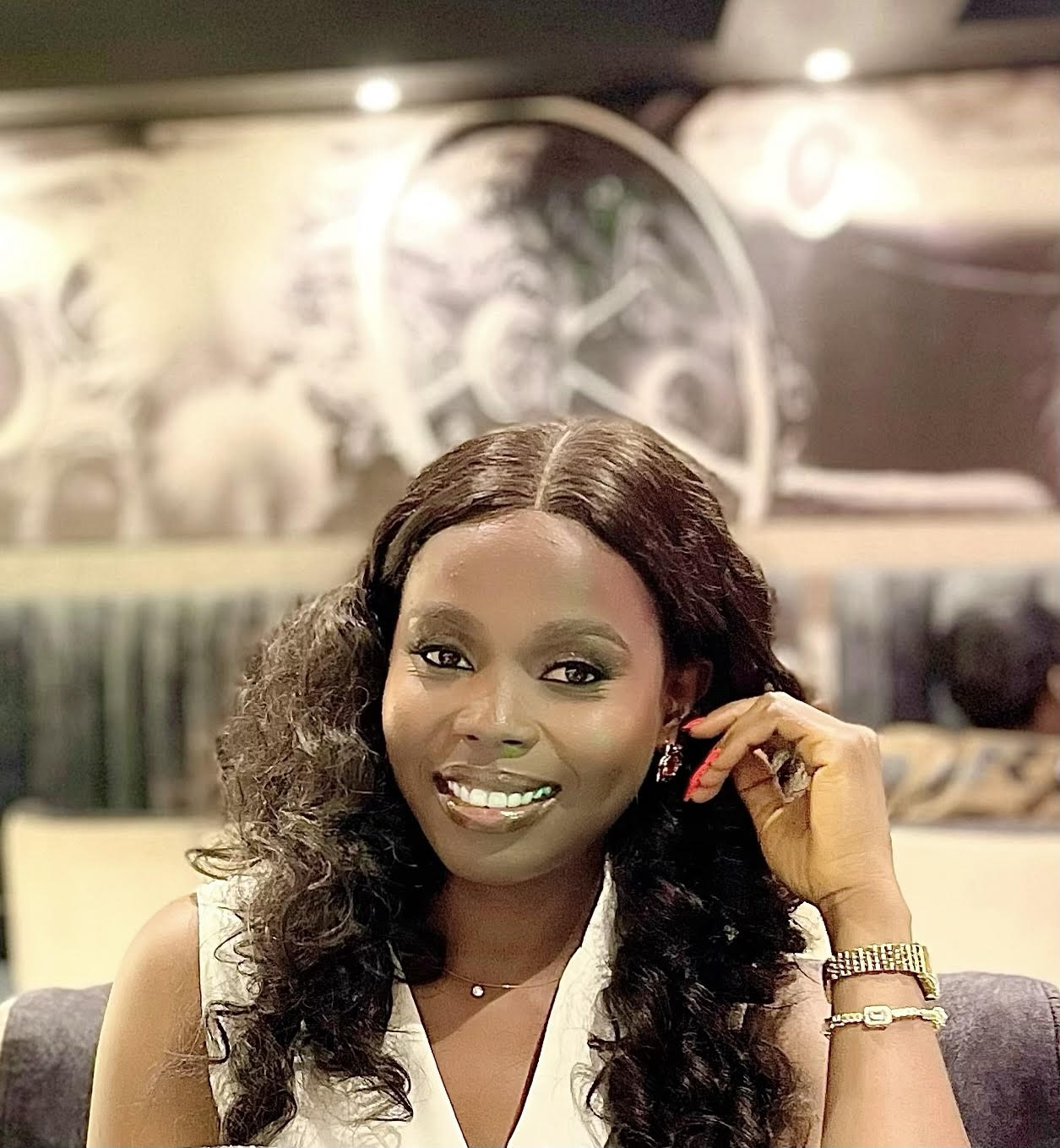
There are spaces in this world that were not designed with certain people in mind. The ports, the heavy machinery, the high cabins of rubber-tyred gantry cranes towering over stacked containers; these have long been considered the domain of men. Not by law. Not by logic. Simply by habit, assumption, and the quiet force of an unspoken rule.
Ibiso Wiseman Horsfall didn’t argue with that rule. She didn’t stage a protest or demand a seat at the table. She walked in, learned the job, and did it well. And somewhere in the process of doing it well, she became the first female RTG crane operator at the West Africa Container Terminal in Onne, one of Nigeria’s most significant port facilities, operated by APM Terminals and handling hundreds of thousands of containers annually.
What makes Ibiso’s story compelling is not just the milestone. It is the quietness of it. The discipline. The decision, made in private, was to keep going on the days nobody was watching. She is not someone who set out to be a symbol. She set out to grow and the rest followed.
We sat down with Ibiso to find out what life looks like from that height, literally and figuratively.
1. Before we talk about cranes and career milestones, tell us, who is Ibiso? Give us a picture of the woman behind the achievement.
Ibiso: Ibiso is just a woman who learned to take life one step at a time. I’m curious by nature, very observant, and I like to do things properly. I believe in growth, personal growth especially, and I’m big on discipline and consistency. Outside work, I’m reflective, sometimes quiet, but very determined. Everything I do, I try to do with purpose because I know someone, somewhere, might be watching and learning from my example.
Read: Did You Know? Africa’s First Female Crane Operator Is Nigerian
2. How did you find your way into the maritime and port operations industry? Was it something you always saw yourself doing, or did life lead you there unexpectedly?
Ibiso: Honestly, I didn’t plan this life. Growing up, I never imagined myself in a port environment or around heavy machines. It was life that led me here. When the opportunity came, I decided to give it my best instead of being held back by fear. Over time, the work grew on me. I realised I was learning something meaningful, something that challenged me, and once that happened, I stayed.
3. Walk us through what it actually takes to operate an RTG crane. A lot of people have no idea what the job involves; paint the picture for us.
Ibiso: Operating an RTG crane requires complete focus. You’re high up, handling containers that weigh several tonnes, and every movement matters. You have to be calm, mentally present, and extremely precise.
You’re constantly checking your surroundings, following safety rules, and making sure people and equipment below you are safe. It’s not just physical skill; it’s patience, awareness, and responsibility working together every second.
4. What was the moment you realised you were the first female crane operator at WACT Onne? How did that land for you?
Ibiso: At first, I didn’t think too much about it. I was just focused on learning the job and doing it well. But when the reality finally settled in, that no woman had done this here before, it felt big. I felt proud, but also very aware that my actions mattered. I knew I was representing more than myself, and that came with a sense of responsibility I took seriously.
5. Be honest with us, what were the early days like? Did you face any resistance, doubt, or moments where you questioned whether you belonged in that space?
Ibiso: The early days were tough. There were moments I doubted myself, and moments where I could feel people doubting me too, even if they didn’t say it out loud. But instead of allowing that to discourage me, I used it as motivation. I focused on learning, improving, and showing through my work that I deserved to be there. Slowly, things changed.
6. Who or what kept you going when things got tough? Was there a person, a belief, or something inside you that refused to quit?
Ibiso: What kept me going was a simple belief. I had started something, and I wasn’t going to quit halfway. I reminded myself why I said yes to the opportunity in the first place. Inside me was this quiet determination that kept saying, Keep going. Just do your best today. That mindset carried me through the difficult days.
Read: Nnezi Uduma-Olugu Becomes First Female Professor of Architecture at UNILAG
7. What does a regular day on the job look like for you now, and how does it feel to do what you do?
Ibiso: My role has grown, and now I’m involved in training and supporting others. My day revolves around safety, guiding people, and making sure operations run smoothly. It feels good to know that my experience is helping others build confidence and skill. There’s a deep sense of purpose in knowing that what I do contributes to both people and operations.
8. There are young women watching your story right now who are standing at the door of a space that was never built for them. What do you want them to know?
Ibiso: I want them to know that fear doesn’t mean stop, it means you’re growing. If the space wasn’t built for you, that doesn’t mean you don’t belong there. Prepare yourself, believe in your ability, and step forward anyway. You don’t need permission to chase excellence; you just need courage and consistency.
9. What’s next for Ibiso? Is there a bigger goal, a dream, or something you’re quietly working towards that the world should know about?
Ibiso: For me, it’s about growth and impact. I want to keep developing, learning, and contributing in meaningful ways, especially in training and safety. If my journey can make it easier for the next woman to dream bigger and step forward with confidence, then I’ll consider that a success. I don’t just want to be the first; I want to be part of lasting change.
Ibiso Wiseman Horsfall did not set out to become a symbol. She set out to grow, and in doing so, she quietly rewrote what is possible for every woman standing at the edge of a space that was not built for her. Her story is a reminder that history is rarely made by those chasing it. It is made by those who simply refuse to stop.
The crane was never built for her. But she climbed it anyway. And she has no plans of coming down.
At RefinedNG, we believe Africa’s greatest stories deserve the loudest voices. If this story moved you, share it because representation only travels as far as we carry it. For more stories of African excellence, innovation, and culture, follow RefinedNG.