
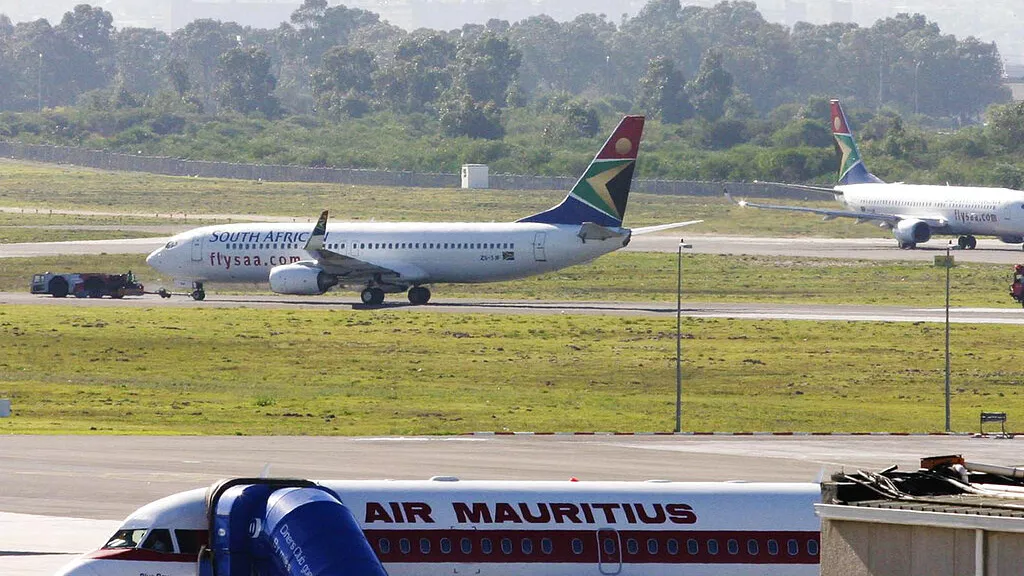
For years, conversations about Africa’s growth have focused on fintech valuations, infrastructure projects, natural resources, and the rise of digital economies. But another signal that may be impossible to ignore is the African airports.
The continent’s busiest airports are doing more than moving passengers from one city to another. They are becoming indicators of where business activity is concentrating, where tourism is rebounding, where investment is flowing, and which cities are positioning themselves as regional powerhouses.
Air traffic across Africa has continued to rise steadily post-pandemic, with African airlines recording some of the world’s fastest growth in international travel demand. Behind those numbers is a bigger story about connectivity, trade, and economic confidence.
Here are the five busiest airports in Africa.
1. Cairo International Airport, Egypt
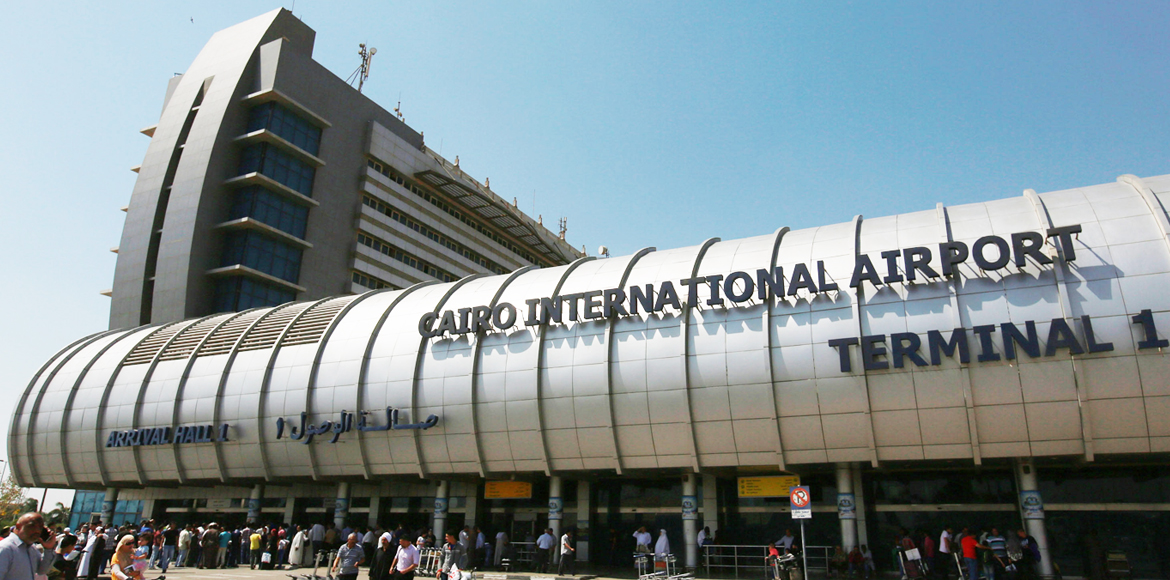
Cairo International Airport currently holds the position as Africa’s busiest airport, and the reasons go far beyond Egypt’s population size.
Geography plays a major role. Cairo sits at the intersection of Africa, the Middle East, Europe, and Asia, making it one of the continent’s most strategic aviation locations. For investors, airlines, logistics operators, and tourism businesses, that positioning matters.
The airport processed more than 26 million passengers in 2023, reinforcing Egypt’s growing role as a commercial and tourism hub. EgyptAir’s expanding network has also strengthened Cairo’s importance as a transit point for travellers moving between continents.
But there is another layer to this growth. Egypt has spent years investing aggressively in infrastructure, new cities, transport systems, and tourism development. Airports often reflect national economic ambition, and Cairo International Airport is a strong example of that relationship.
When passenger traffic rises consistently, it usually signals something bigger underneath: stronger business movement, increased investor activity, and expanding regional influence.
Read: Top 10 Tallest Buildings in Africa Right Now
2. OR Tambo International Airport, South Africa
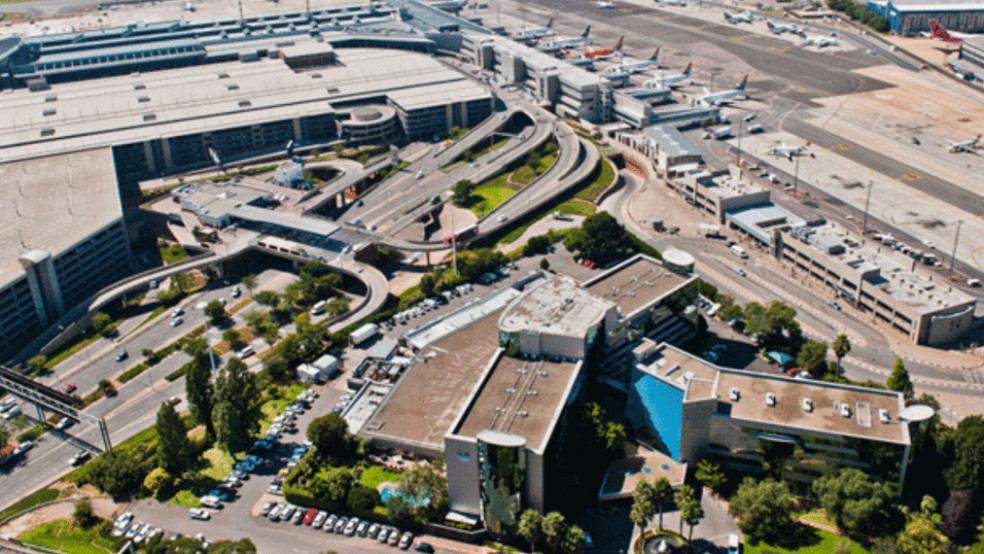
If Cairo represents strategic geography, OR Tambo represents corporate gravity.
Located in Johannesburg, OR Tambo International Airport remains one of Africa’s most influential aviation hubs because South Africa still functions as a major commercial gateway for multinational companies operating across the continent.
Mining executives, consultants, investors, conference delegates, tech founders, and logistics firms continue to move through Johannesburg at scale. Even with South Africa’s economic challenges, its aviation infrastructure still gives it a competitive edge that many African markets are trying to build towards.
The airport handled nearly 15 million passengers in 2022 and remains one of Africa’s busiest for aircraft movement.
There is also an ecosystem effect here. Strong airports support conference tourism, hospitality, cargo logistics, and international partnerships. Entire industries benefit when connectivity improves.
Realistically, a surprising number of African business deals have probably started somewhere between OR Tambo’s lounges, coffee spots, and delayed boarding gates.
3. Addis Ababa Bole International Airport and Mohammed V Airport
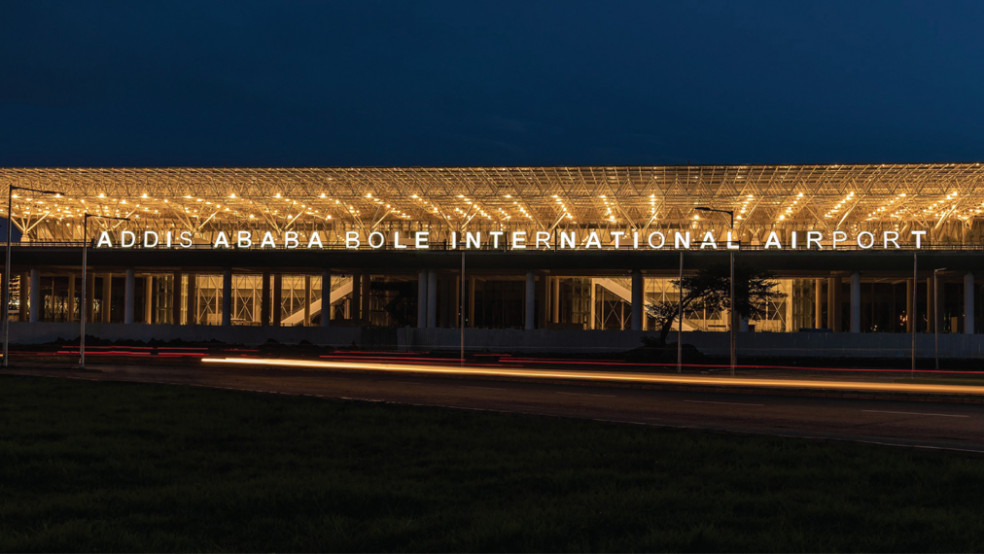
Some airports grow because of local demand. Others grow because they master the transit strategy.
Addis Ababa Bole International Airport is a strong example. Ethiopia has successfully positioned itself as one of Africa’s most important aviation connectors, largely through Ethiopian Airlines.
The airline’s extensive route network has transformed Addis Ababa into a major transit hub linking African cities to Europe, Asia, and North America. Beyond passenger travel, cargo operations have also become increasingly important, especially as African trade routes continue evolving.
For many businesses, connectivity determines opportunity. Cities with stronger aviation links often attract more conferences, partnerships, investment conversations, and regional headquarters.
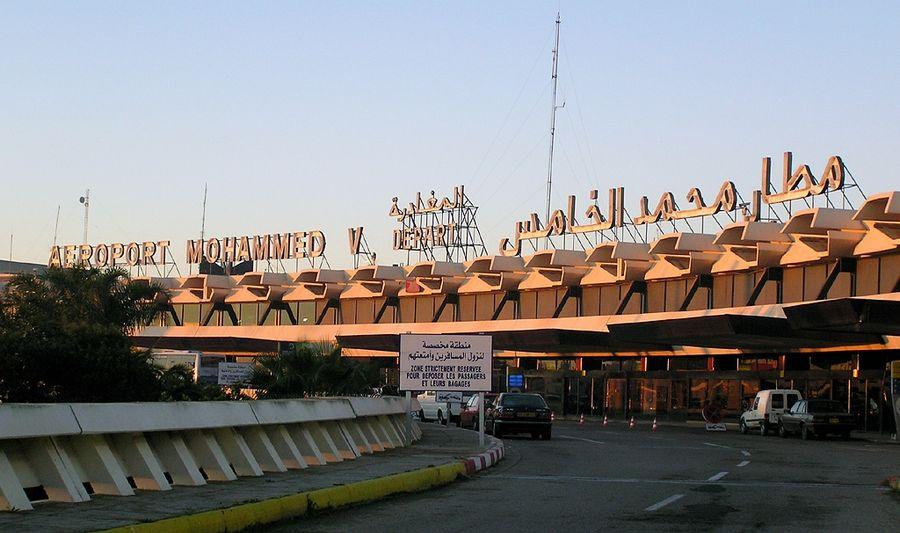
Meanwhile, Mohammed V Airport in Casablanca reflects Morocco’s long-term positioning strategy. Morocco has steadily branded itself as a bridge between Africa and Europe, and aviation has become central to that ambition.
Royal Air Maroc’s expansion across African markets is helping strengthen Casablanca’s role as a gateway city for trade, finance, and tourism. As more global companies look toward African expansion, airports like Mohammed V become strategic assets, not just transport infrastructure.
Read: 4 Nigerian Startups Selected for Google’s Accelerator Africa Cohort 10
5. Murtala Muhammed International Airport, Nigeria
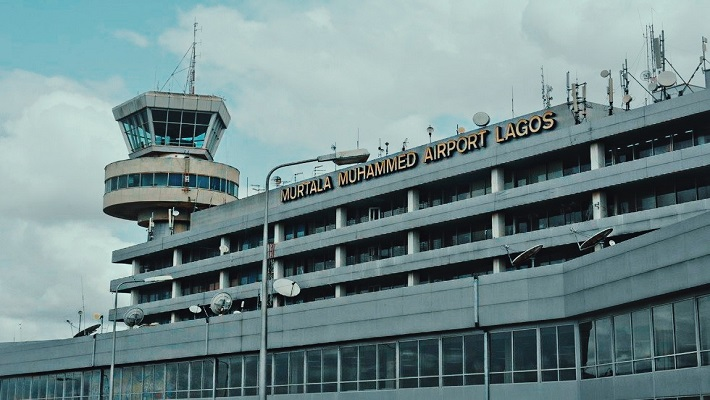
Lagos can be exhausting, loud, unpredictable, and incredibly productive all at once. Its airport reflects that same energy.
Murtala Muhammed International Airport remains one of Africa’s busiest because Nigeria’s economic gravity is difficult to ignore. From entertainment and fintech to manufacturing and trade, Lagos continues attracting movement from across the continent.
The airport processed more than 6.5 million passengers in 2022, with numbers continuing to grow alongside regional business activity.
At the same time, infrastructure pressure remains obvious. Congestion, ageing systems, and operational inefficiencies still affect traveller experience. But ongoing modernisation projects suggest Nigeria understands what is at stake.
Better aviation infrastructure could significantly improve investor confidence, tourism growth, regional trade, and business mobility. For a country positioning itself as Africa’s digital and commercial giant, efficient connectivity will matter even more in the coming decade.
Africa’s Growth is Increasingly Airborne
Africa’s airport race is no longer just about passenger numbers. It is about influence, access, and economic positioning. The cities investing in aviation today are building more than terminals and runways. They are building gateways for capital, talent, tourism, technology, and continental integration.
And judging by current momentum, Africa’s next major growth story may arrive through the departure hall before it reaches the boardroom.
At RefinedNG, we love conversations about Africa’s evolving business landscape. Which African airport do you think has the biggest potential to become a global aviation powerhouse over the next decade?