
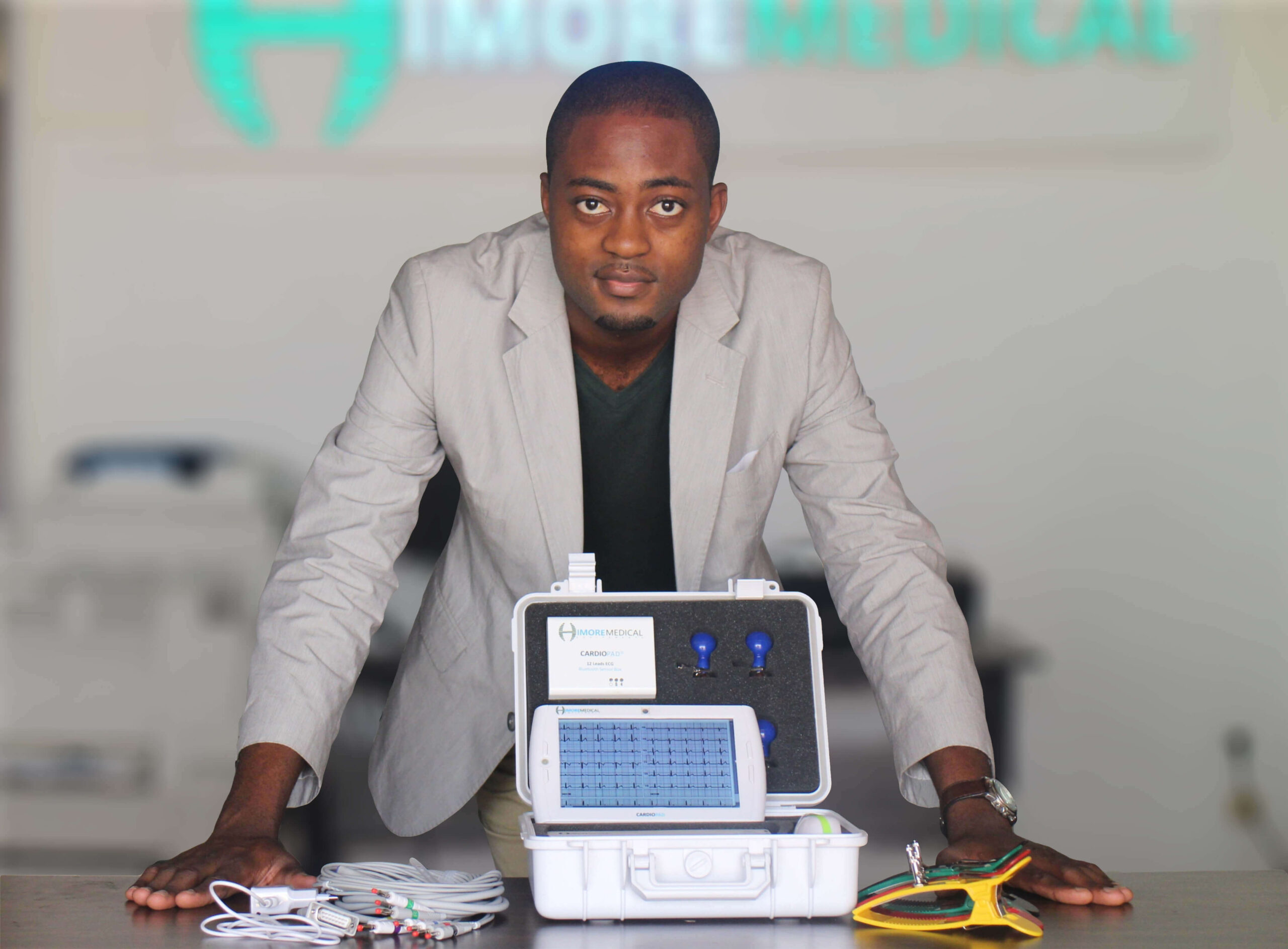
Did you know the first medical tablet built in Africa came from a small town in Cameroon? It is called the Cardiopad, and behind it is Arthur Zang, a young engineer from Mbankomo, a quiet town just outside Yaoundé.
Arthur was not born into privilege, but he was born into determination. In the late 2000s, he realized a painful truth. Cameroon, with a population of over 20 million people, had fewer than 50 cardiologists. Most of them lived in the big cities. Patients in rural areas often had to wait months or travel long distances for a simple heart exam. Many never made it in time.
Arthur wanted to solve this.
In 2009, he began working on a device that could record and send heart data from villages to specialists in the cities. There was only one problem: he had no formal training in medical electronics. So he taught himself online, one tutorial after another.
Banks turned him away, calling the idea too risky. But his mother believed in him. She took out a small loan, about $1,300, to help him build his first prototype. That little push became the foundation of the Cardiopad, Africa’s first touch-screen medical tablet designed to save lives.
Read: Pearl Nkrumah Becomes First Female MD of Access Bank Ghana
From Prototype Struggles to Global Recognition

Arthur Zang’s journey with the Cardiopad started in 2009. He was still a student, eager but underprepared for the challenge he had set himself. With no local training in biomedical engineering, he turned to the internet. Night after night, he taught himself how medical electronics worked, slowly piecing together the knowledge he needed to build a working device.
The first prototype was built with limited resources, and even then, funding remained a huge obstacle. Banks refused to take him seriously. Investors dismissed the idea as unrealistic. But persistence paid off. His mother’s small loan helped him get started, and soon after, bigger opportunities followed. In 2015, Arthur Zang received a $45,000 grant from President Paul Biya. Around the same time, he also won equipment through a Microsoft innovation competition. These two moments gave him the boost he needed to refine his invention.
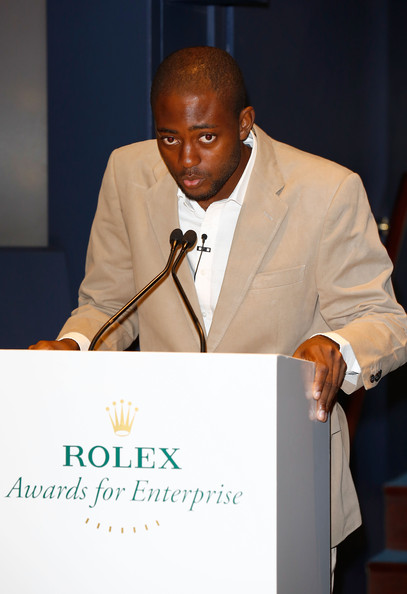
Recognition didn’t take long. In 2014, the Rolex Foundation awarded him its prestigious prize for applied technology. Two years later, in 2016, he received the Africa Prize for Engineering Innovation. That same year, the Cardiopad officially launched. It moved from a simple prototype to a tool adopted in hospitals.
By then, Arthur was no longer just a young engineer with an idea. He had become a symbol of resilience and creativity, showing how one person’s determination could create a medical device recognized across the world.
How the Cardiopad is Saving Lives Today
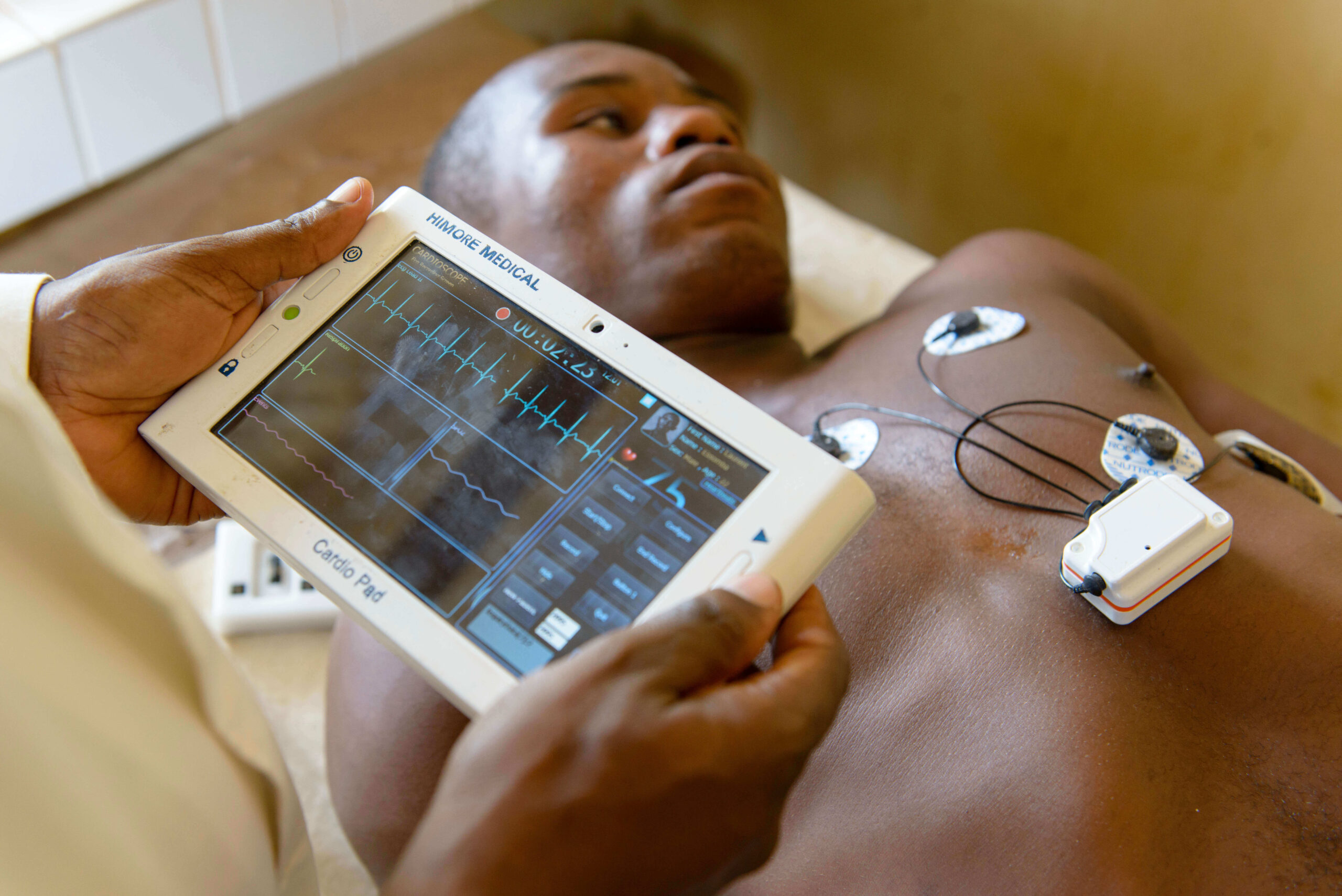
So how does the Cardiopad actually work? The process is simple but powerful. A nurse places electrodes on the patient’s chest, which connect to a small module. That module sends signals to a tablet.
The tablet is loaded with apps — an electrocardiograph to run a heart test, an electrocardioscope to record activity, and a telecardiology app that transfers results instantly to a specialist. Within 20 minutes, a doctor miles away can read the data and send back a diagnosis.
For patients in rural Cameroon, this changes everything. Before the Cardiopad, many had to travel for hours to reach Douala or Yaoundé, where the country’s few cardiologists are based. That travel was not only costly but sometimes impossible. Today, the test can happen in a village clinic, with results sent to a cardiologist in the city almost instantly.
The numbers show its reach. By 2021, Cardiopad was in use in 267 public health institutions across Cameroon. Private hospitals also adopted it, and the tool has even been deployed in Gabon and other countries. The reliability of the device is impressive too — studies show it delivers results with up to 97.5% accuracy.
The impact goes beyond statistics. Imagine a farmer in a rural town, struggling with chest pains. Instead of waiting weeks for an appointment in the city, he can be tested at his local clinic. Within minutes, a cardiologist reads the data and gives instructions. That speed can mean the difference between life and death.
The Cardiopad proves that innovation isn’t just about technology. It’s about solving real problems and saving lives every single day.
Read: The Story of Tolani Alli – From Medicine to Masterpieces
Beyond the Cardiopad: Oxygen, Smart Cards, What’s Next
Arthur Zang didn’t stop after the Cardiopad. When the COVID-19 pandemic hit and hospitals faced severe oxygen shortages, he developed a new solution called Oxynnet. It’s a medical oxygen generator that produces 95% pure oxygen from ambient air. The machine can run on electricity or solar power, making it adaptable for hospitals in areas with unreliable grids. Most importantly, it produces 60 liters of oxygen per minute, enough to serve at least 10 patients at the same time. For clinics struggling to save lives during the pandemic, this was a game-changer.
Meanwhile, the Cardiopad itself has continued to expand. It’s no longer just a Cameroonian success story. The device has been sold in countries like Gabon, India, and Nepal, showing that African-born innovation can solve global challenges. Zang has also been exploring new frontiers, including smart card technology that could be used to secure doors in schools, banks, and government offices.
The bigger picture here is important. Zang’s work is a reminder that African innovation doesn’t have to copy what exists elsewhere. It can start with local challenges and deliver solutions that are practical, affordable, and scalable. By focusing on real needs — like access to heart specialists or affordable oxygen — he is proving that technology made in Africa can change lives anywhere.
Arthur Zang – Role Model for Innovation
At just 37, Zang has already left his mark as a role model for young engineers across the continent. His story is proof that with resilience, creativity, and vision, African innovators can lead the way in solving global health challenges.
So, next time you hear about African innovation, remember it’s people like Arthur Zang making history.
Follow RefinedNG for more inspiring stories and positive updates about Africans shaping the future.