
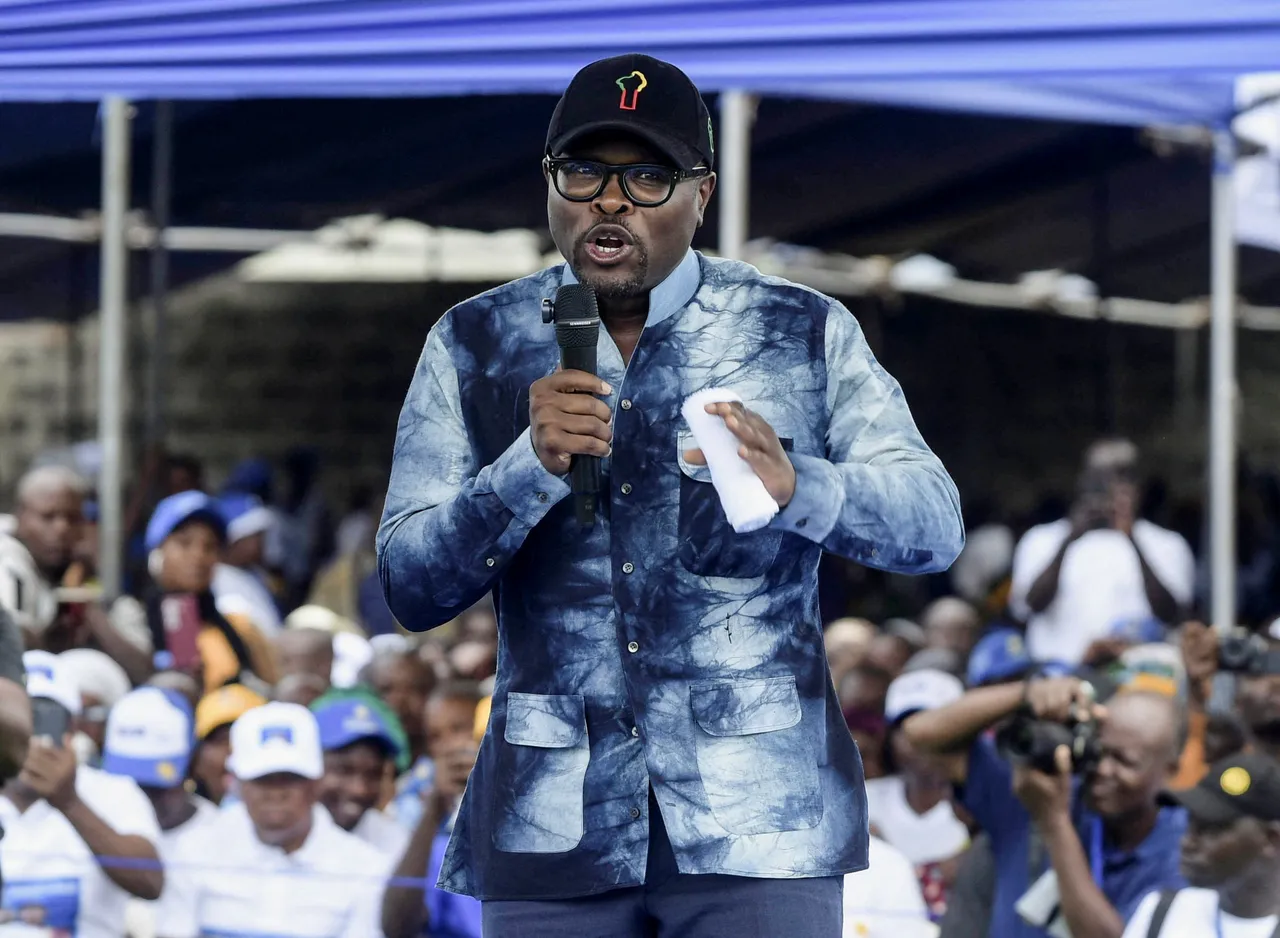
Romuald Wadagni will be stepping into a new role as President of Benin after securing a decisive electoral victory that places him at the centre of one of West Africa’s most closely watched political transitions. The 49-year-old former finance minister won with a commanding 94% of the vote, a result that signals both strong political backing and a desire for continuity in the country’s reform-driven direction.
For many observers, this moment feels less like a surprise and more like a carefully drawn path. Wadagni has spent nearly a decade shaping Benin’s economic strategy from within the government, and now he carries that influence into the highest office.
His presidency arrives at a time when Benin is balancing steady economic progress with growing regional security pressures, making leadership stability a key national priority.
Read: This Nigerian Law Student Just Made Harvard History
From Lokossa to Harvard: The Making of a Global Mindset
Wadagni’s story begins in Lokossa, a town in southern Benin, where he was born in 1976. From an early stage, his journey took him far beyond national borders, shaping a worldview rooted in both local grounding and international exposure. After completing his early education in Benin, he moved to France to pursue higher studies in finance and business.
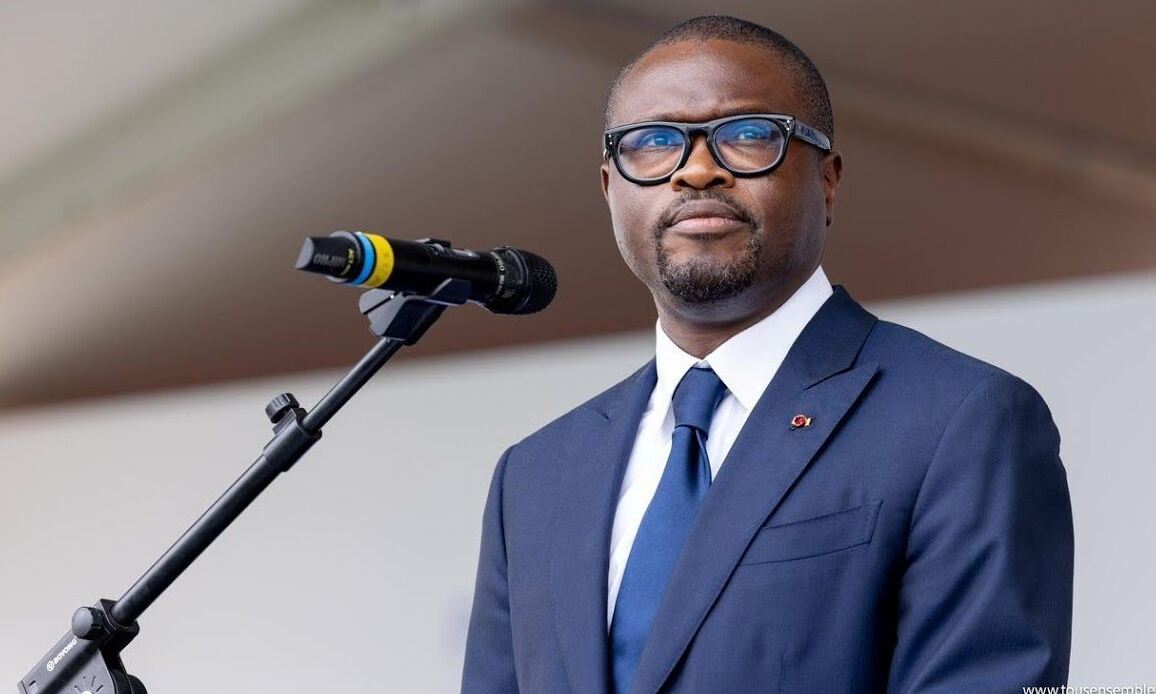
His academic path included training at the École Supérieure des Affaires in Grenoble, where he graduated at the top of his class, before advancing to Harvard Business School for executive-level training in global management and finance. Alongside this, he built professional certifications as a Chartered Accountant in France and a Certified Public Accountant in the United States, giving him rare cross-border technical depth.
That combination of African upbringing and global financial education became a defining feature of his career, equipping him with the tools to navigate both corporate systems and public sector reform at scale.
Deloitte Years to Economic Reforms: Building a Reform Architect
Before entering public office, Wadagni spent about 17 years at Deloitte, where he rose to become a partner at just 36. His work spanned major financial centres including Paris, Boston, and New York, and extended into Francophone Africa, where he helped expand Deloitte’s presence across several markets. He later played a leadership role in strengthening audit and risk practices across the region, with responsibilities covering multiple African countries.
This private-sector foundation set the tone for his later public service. In 2016, he was appointed Minister of Economy and Finance under President Patrice Talon, marking a shift from corporate advisory to national economic management.
As finance minister, Wadagni became central to Benin’s fiscal transformation. He led efforts to stabilise public finances, reduce debt pressures, and strengthen transparency in government spending. Under his leadership, Benin successfully accessed international capital markets through Eurobond issuances, a move that improved the country’s financial credibility and investor confidence.
His tenure also coincided with improved credit ratings for Benin, reflecting stronger macroeconomic stability and disciplined fiscal management. Regionally, he contributed to policy discussions within ECOWAS and participated in broader reforms affecting West African monetary and financial systems. Over time, he built a reputation as a steady reform architect, focused on structure, discipline, and long-term economic positioning.
Read: What Founders Can Learn from Funke Opeke Today
Presidency and What It Signals for Benin’s Future

Wadagni’s rise to the presidency follows years of alignment with the country’s ruling coalition and his close work with outgoing President Patrice Talon. His election is widely seen as a signal of policy continuity, particularly in economic governance, infrastructure development, and investor engagement.
Beyond economics, his leadership now enters a more complex phase. Benin continues to face security challenges in its northern regions, alongside broader regional instability across parts of the Sahel. These issues will test how economic strategy and national security priorities are balanced under his administration.
On the diplomatic front, expectations are centred on maintaining Benin’s strong ties with international partners while managing shifting dynamics within West Africa. For supporters, his presidency represents a continuation of technocratic governance, where policy consistency and institutional strengthening remain central.
As he moves from finance minister to head of state, Wadagni carries both experience and expectation into a role that will shape Benin’s trajectory in the years ahead.
What do you think this presidency signals for Benin’s future direction and West Africa’s economic landscape? Share your thoughts with us, and follow RefinedNG for more stories on African leadership, innovation, and progress shaping the continent.