
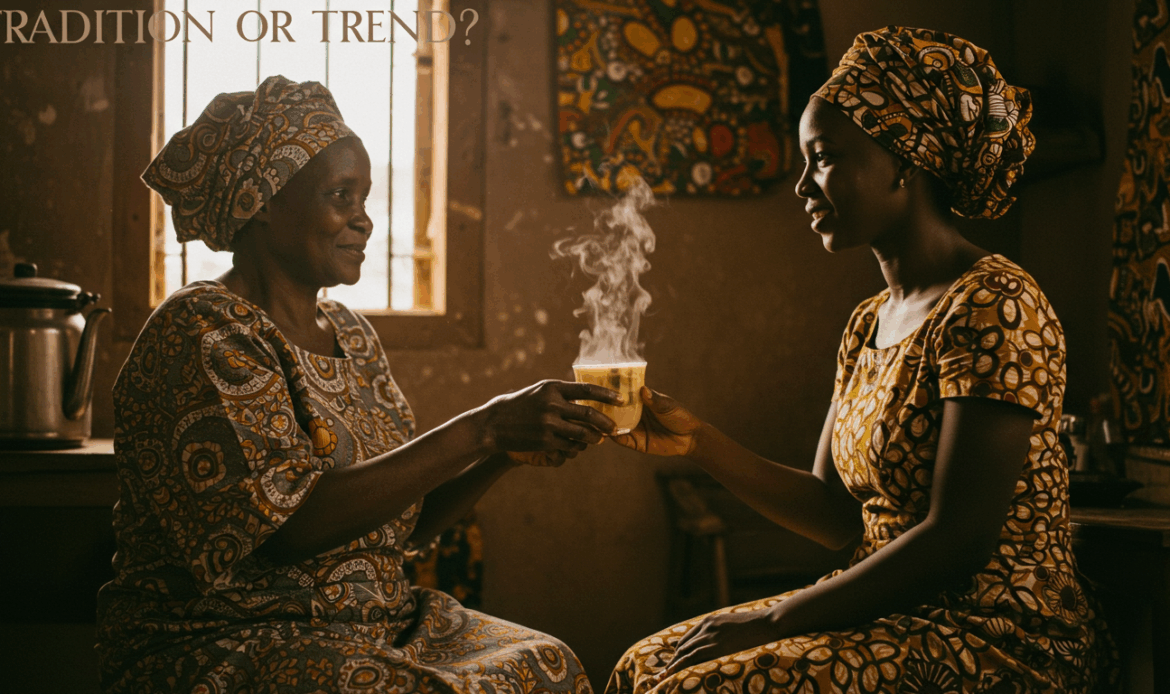
If you grew up in an African household, you probably heard someone say, “Boil that leaf and drink it—you’ll feel better by morning.” Whenever you had a headache, a cough, or even heartbreak, there was always a plant, root, or ritual that your family passed down through the generations.. Some of us still have a mental list of go-to traditional remedies we learned from our grandmothers—bitter concoctions, palm oil “detoxes,” and the infamous early morning urine therapy.
But in today’s world of hospitals, diagnostics, vaccines, and supplements, the question arises: how much of this traditional wisdom holds up in the face of modern science? And when should we pause to question what we’ve always done?
This article explores where African traditions and modern health practices clash, where they surprisingly align, and how we can balance both with wisdom, respect, and self-awareness.
Read: Healthy Ways To Boost Your Mood Naturally
Traditional Practices That Clash With Modern Health Trends
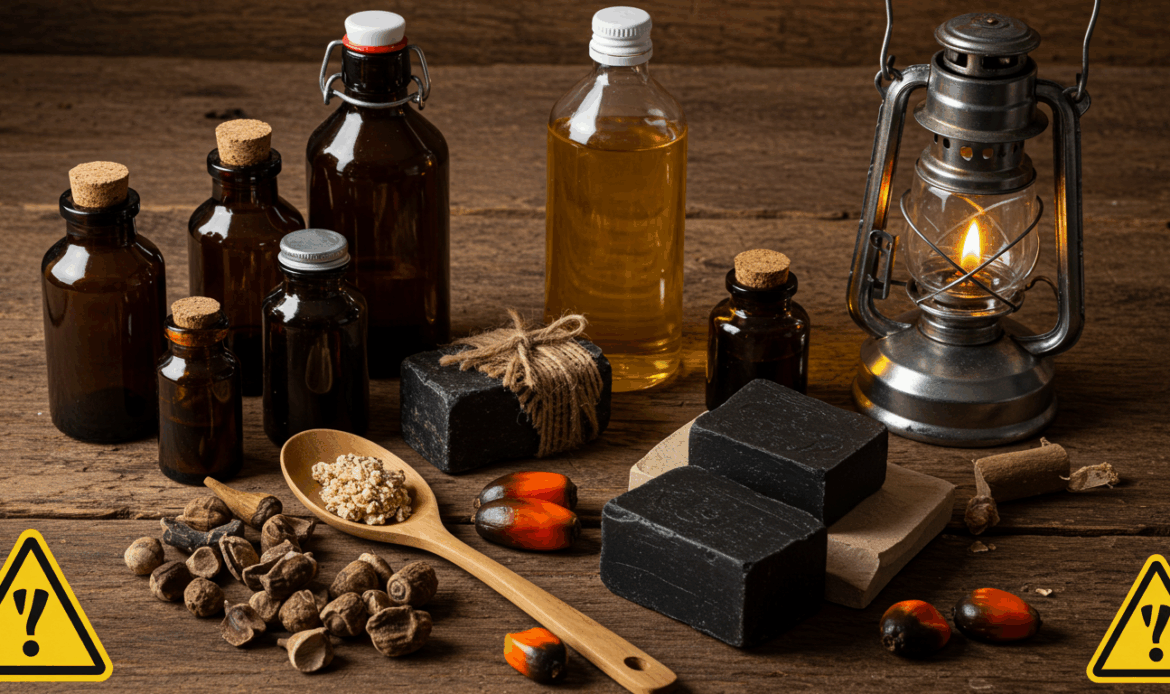
In many African cultures, communities actively pass down health knowledge and ancestral wisdom. They share remedies like cherished family recipes—trusted, tested, and respected. However, not all traditional methods align with modern medical science, and some may even cause more harm than good.
Take herbal mixtures, for example. Using certain remedies can lead to overdosing, liver damage, or dangerous interactions with prescribed medications. Many people also use kerosene or charcoal to “clean” wounds, and some believe that palm oil. This can lead to overdosing, liver damage, or dangerous interactions with prescribed drugs.
Other common remedies raise even more concern. There’s the widespread use of kerosene or charcoal to “clean” wounds, or the belief that palm wine helps speed postpartum healing. In some communities, people consume early morning urine as a natural remedy for various issues, such as infections and spiritual attacks, despite the risks of introducing bacteria and exacerbating dehydration.
While these practices often stem from good intentions and limited access to healthcare, they sometimes delay effective treatment. The challenge is real: how do we respect tradition without turning a blind eye to the risks?
Let’s explore why these traditions exist and why they still matter to so many.
Why These Traditions Exist: The Cultural Roots
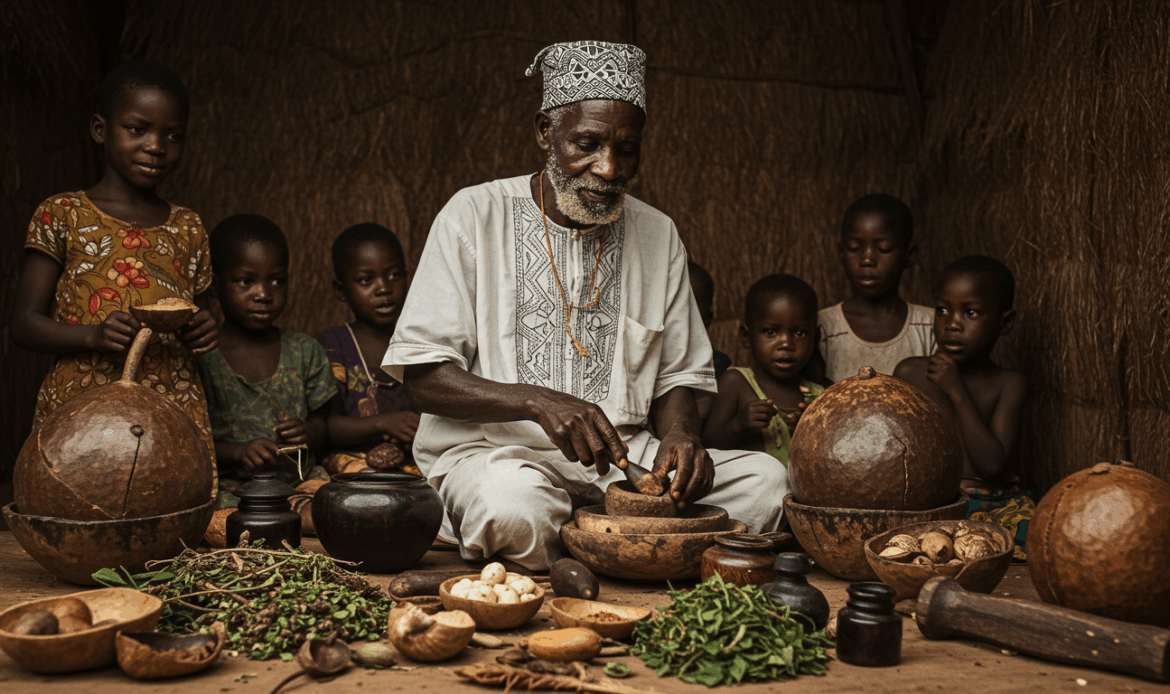
To understand why certain traditional health practices persist—even in the face of modern medicine—you have to look at their roots. For many African communities, tradition was the only healthcare system available for generations. Long before hospitals, pharmacies, or health insurance, people relied on nature and communal knowledge to treat illness, manage pain, and promote healing.
In rural areas especially, a trip to the clinic could mean a full day’s journey or more. Medicine was expensive, doctors were scarce, and trust in the system was low. So families leaned on what they knew: herbal teas for fever, local brews for digestion, and spiritual rituals for protection. These practices weren’t just survival—they were acts of love, passed down from elders who genuinely believed in their healing power.
Even today, these remedies carry emotional weight. They symbolize care, tradition, and resilience. But as healthcare evolves, the question isn’t whether tradition is bad—it’s whether it’s enough.
Where Tradition and Science Actually Agree
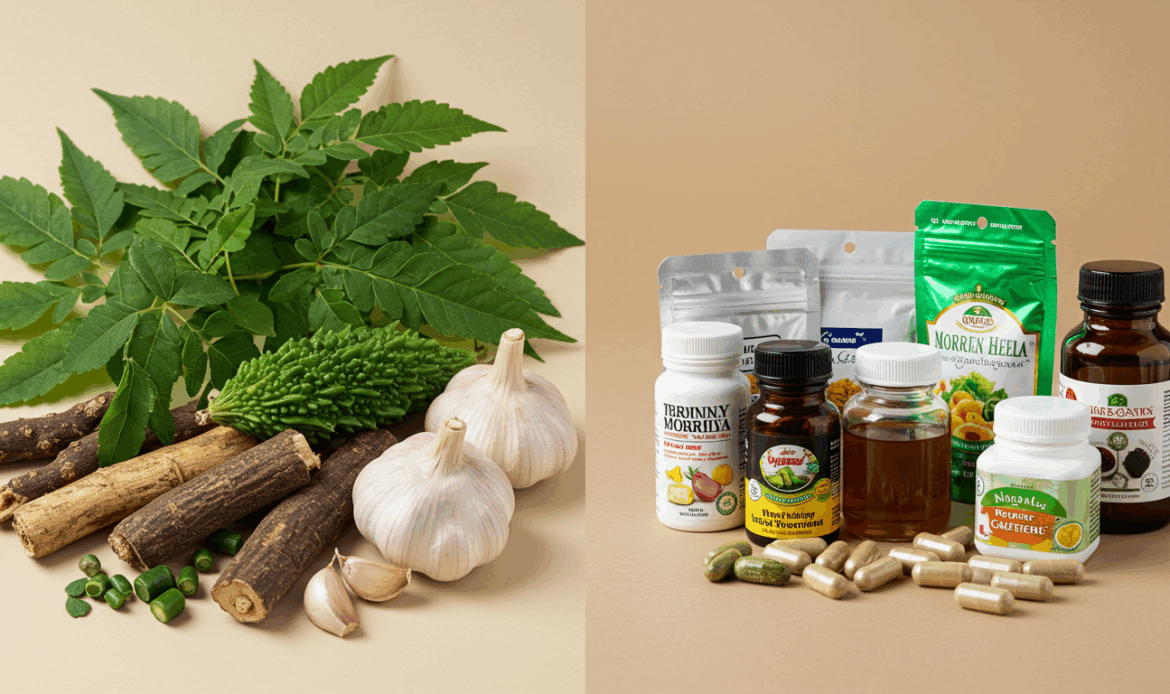
While there’s often tension between traditional methods and modern medicine, not all age-old practices are outdated or harmful. In fact, many are being rediscovered and celebrated by science. Take bitter leaf, for example. Once a go-to remedy for elders treating “too much sugar in the blood,” research now supports its blood sugar-lowering effects, particularly in managing early signs of diabetes.
Moringa, used for centuries in African households as a healing herb, has now earned global recognition as a superfood, rich in antioxidants, calcium, and essential amino acids. Even fasting—once considered purely spiritual—is now promoted by wellness experts for its metabolic benefits and detoxifying effects, giving rise to intermittent fasting trends around the world.
From fermented foods like ogi and fufu to natural oils like shea butter and palm kernel oil, African traditions have long held wisdom that science is only beginning to validate. The line between old and new is sometimes thinner than we think.
When to Pause and Question Traditional Advice

As much as tradition is rooted in care and communal experience, it’s not immune to flaws—especially when it comes to health. There comes a point where we need to pause, ask questions, and make decisions based on both wisdom and evidence.
One red flag is when a traditional remedy delays a proper diagnosis or treatment. It’s not uncommon to hear stories of people treating a persistent fever with herbal teas for weeks, only to discover it was malaria or typhoid—by then, complications have already set in. Some illnesses simply need swift medical intervention.
Another concern is dosage. Most traditional remedies don’t come with instructions or clear measures. A child given the same quantity of a bitter herb as an adult can easily be harmed. The belief that “if it’s natural, it can’t hurt” is not only false—it’s dangerous.
There’s also the risk of mixing herbal concoctions with modern drugs without knowing how they interact. What starts as a simple cough can turn into kidney trouble when self-medicating gets out of hand.
Respect for tradition should never mean ignoring warning signs. Asking questions doesn’t mean disrespect—it means protecting your health while honoring your roots.
Read: Health Trend Alert: What’s Hot, What’s Not, and What Really Works
Building a Balanced Mindset: Tradition + Science
In today’s world, choosing between tradition and science doesn’t have to be a tug of war. It’s not about abandoning your culture or blindly following Western medicine—it’s about building a mindset that honours both. The most powerful health approach is often found in the middle ground.
You can still sip that ginger and lemon mix your mum swears by for colds, while also booking a hospital appointment when the fever won’t quit. It’s okay to enjoy herbal soups while understanding that they won’t cure high blood pressure. Being informed allows you to ask better questions and make smarter choices.
And yes, it can be tricky. Telling an elder that their “trusted remedy” might not work takes tact and respect. But conversations that bridge generations matter—especially when health is on the line.
Tradition gives us wisdom. Science gives us clarity. Together, they can keep us grounded and well.
The New Age African
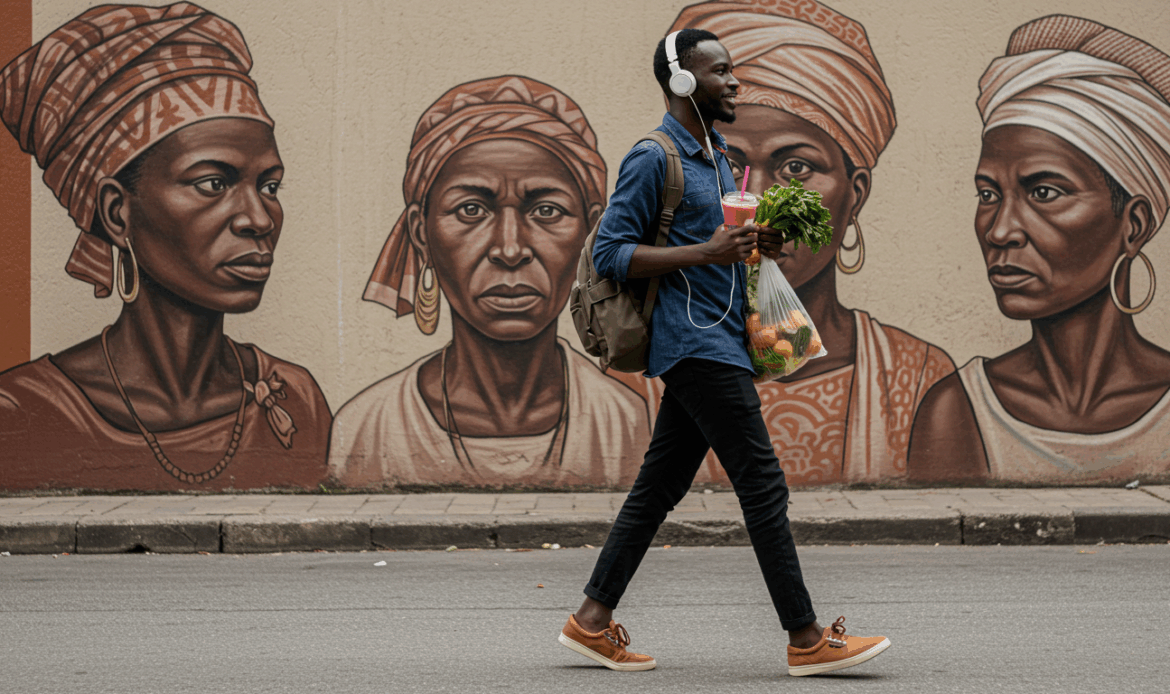
The modern African doesn’t have to choose between ancestors and advancements. We are a generation that carries agbo in one hand and a stethoscope in the other. We ask questions, we research, and we still call our mothers for home remedies. That balance is strength.
Our traditions are rich, our culture is deep—but so is our access to information. The goal isn’t to cancel age-old wisdom but to use it wisely and in context. Being informed doesn’t make you disrespectful. It makes you powerful.
Your health is your heritage too. Honour it—not just with roots, but with reason.