
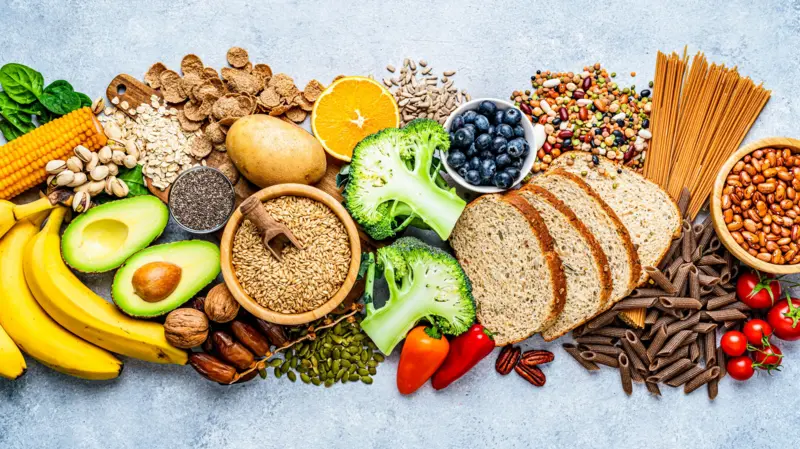
When people think about managing blood sugar, the first instinct is usually to cut down on sugar. Fair enough. But here’s the part that often gets ignored: fibre plays an equally important role, sometimes even more than we realise.
Fibre works behind the scenes in a very practical way. It slows how quickly food is broken down in your body, so glucose enters your bloodstream at a steadier pace rather than all at once. That steady release is what helps you avoid those sharp spikes and crashes that leave you feeling tired, hungry, or irritable.
Now, think about everyday meals. A plate of white rice, a bowl of garri, or a serving of yams can fill you up quickly, but without enough fibre, your blood sugar may rise faster than expected. The good news is you don’t have to give up these meals. You simply need to balance them better.
Read: Fruits That Help Keep Your Blood Sugar in Check
Understanding Fibre and Blood Sugar Balance
To really make sense of this, it helps to understand what’s happening inside your body. Foods that are low in fibre, especially refined carbohydrates like white bread or polished rice, are digested quickly. This leads to a rapid increase in blood sugar levels. On the other hand, fibre-rich foods take longer to digest, creating a slower and more controlled rise in glucose.
There are also added benefits that make fibre worth paying attention to. It helps you feel fuller for longer, which can reduce unnecessary snacking. It supports gut health, improves digestion, and can even play a role in maintaining a healthy weight.
What this means in practice is simple. You do not need to completely remove your favourite meals. Instead, you adjust how you eat them. Adding vegetables, choosing whole grains when possible, and pairing carbohydrates with protein can make a noticeable difference.
What a High-Fibre Plate Should Look Like
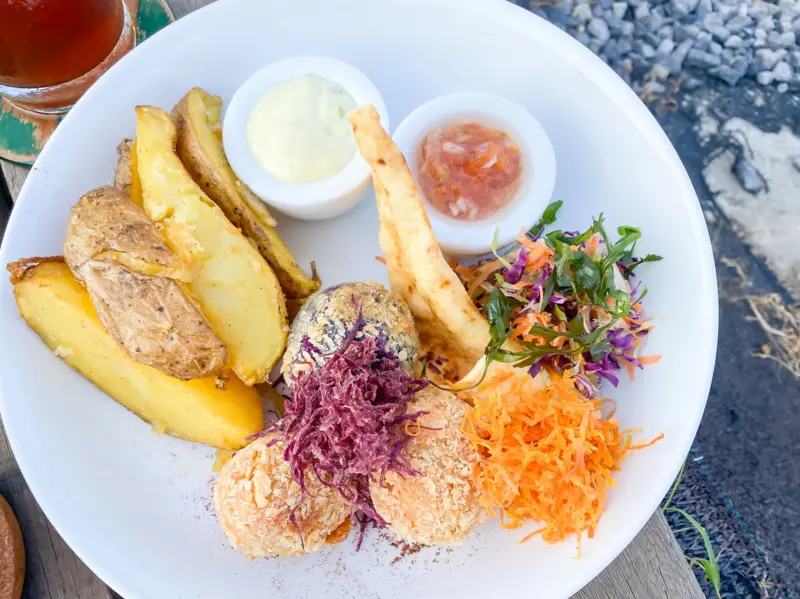
A balanced, high-fibre plate does not have to be complicated or expensive. In fact, many of the foods that naturally support better blood sugar are already part of familiar Nigerian meals. The key is learning how to combine them properly.
Start with vegetables. Options like ugu, spinach, okra, cabbage, and even garden eggs are excellent sources of fibre and should show up regularly on your plate. Then come your carbohydrates. Instead of relying only on refined options, you can mix in oats, brown rice, or ofada rice where possible. Finally, add a good source of protein such as beans, fish, eggs, or chicken.
When these three elements come together in one meal, the result is more balanced digestion and better blood sugar control. It also makes your meals more satisfying, which helps you stay consistent without feeling deprived.
Read: 8 Foods That Naturally Cleanse and Detoxify Your Body
The 7-Day High-Fibre Meal Plan You Can Actually Follow
Starting a high-fibre routine does not mean overhauling your entire kitchen overnight. The first couple of days are about easing into it. You might begin your mornings with oats paired with fruits like apples or bananas, then have brown rice with vegetables and fish for lunch. Dinner could be as simple as beans with a small portion of plantain, keeping things balanced rather than excessive.
As you move into the third and fourth days, the focus shifts to upgrading meals you already enjoy. Instead of white rice, you can try ofada or unpolished rice. Soups become an opportunity to increase your vegetable intake, whether it is efo, okra, or ogbono prepared with a lighter hand on oil and a generous portion of greens.
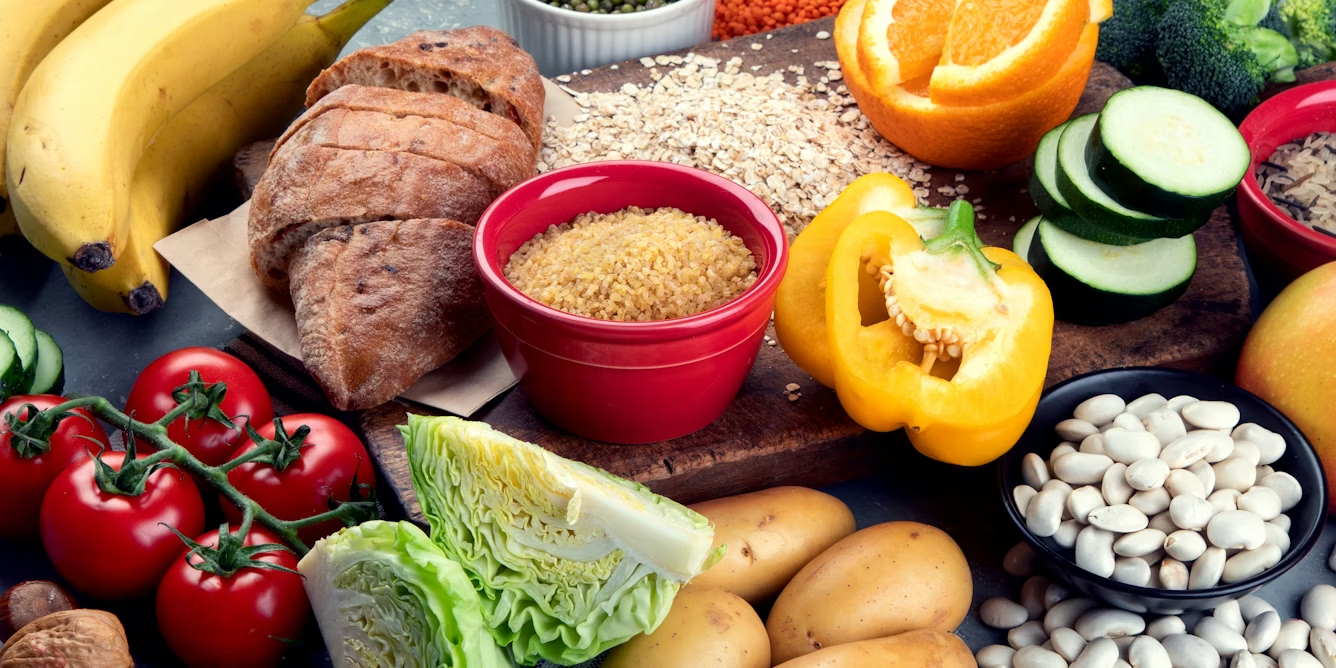
By the fifth day, variety becomes important. Meals like yams can still stay on your menu, but pairing them with a rich vegetable sauce instead of eating them plain makes all the difference. At this stage, you are not just adding fibre, you are building better combinations.
The sixth day is where practicality comes in. Life gets busy, so repeating simple meals or preparing food in advance can help you stay on track. Cooking a pot of beans or prepping vegetables ahead of time removes the stress of daily decision-making.
By the seventh day, you should feel more confident mixing and matching meals based on what you enjoy. This is where flexibility matters. There is no need for perfection. What counts is consistency and a willingness to keep making better choices over time.
Making It Work Long-Term Without Stress
One common mistake people make is trying to do too much too quickly. Suddenly increasing your fibre intake without enough water can lead to discomfort, so it’s important to build gradually and stay hydrated. Portion sizes also matter. Even healthy foods can affect blood sugar when eaten in excess.
Another thing to keep in mind is that eating well does not have to be expensive or complicated. Many affordable, local foods already provide the fibre your body needs. The real shift comes from how you combine them and how consistent you are with your choices.
In the end, improving your blood sugar is not about strict rules or temporary diets. It is about small, sustainable adjustments that fit into your everyday life.
If this guide helped you rethink your meals, share it with someone who needs it and follow RefinedNG for more practical, everyday health tips that actually make sense.