
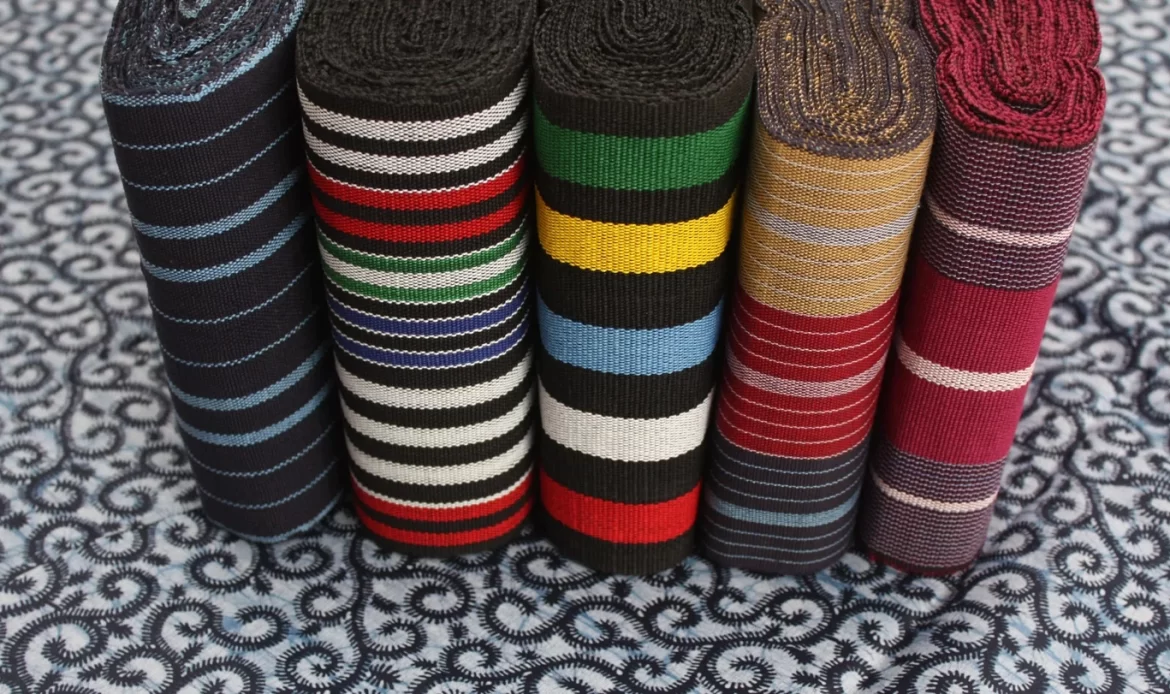
Because this cloth carries more than drip — it carries generations. Let’s be honest. You’ve probably admired Aso Oke from a distance — maybe during a wedding when the bride stepped out like royalty, gele perfectly layered, agbada crisp, the embroidery screaming elegance. Or maybe you’ve seen a TikTok bride price list and clocked the Aso Oke package, wondering what makes it so special.
But here’s the thing: Aso Oke isn’t just fashion. It’s heritage. It’s not just about shine or coordinating with your bridal train. This iconic fabric embodies Yoruba identity, artistry, and storytelling, and it deserves appreciation beyond just the occasional owambe slay.
From the Highlands, With History: Where Aso Oke Began
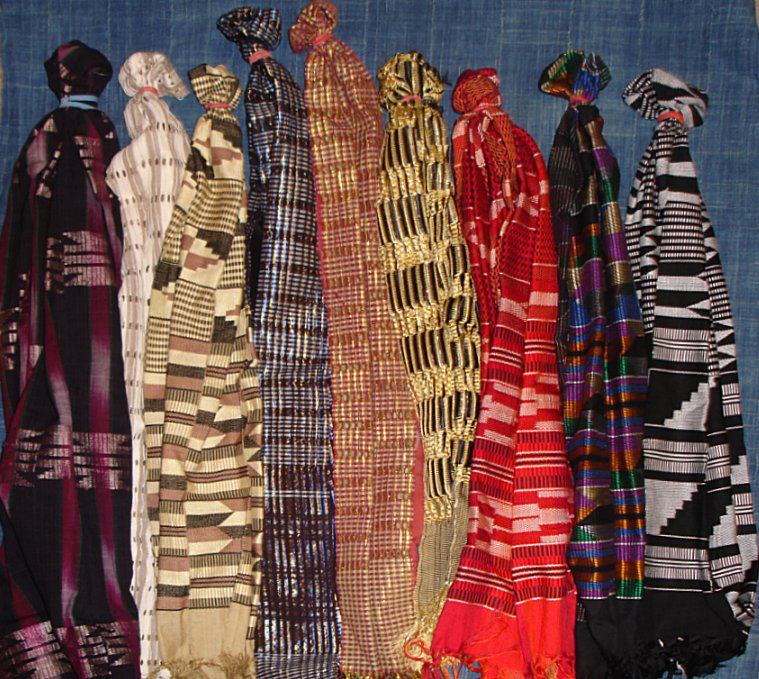
Aso-Oke is a short form of Aso Ilu Oke, also known as Aso-Ofi, meaning clothes from the up-country. It is one of the oldest and most revered fabrics in Nigerian history. It hails from Yorubaland — from places like Iseyin in Oyo State, Ede in Osun State, and parts of Kogi — communities that date back centuries and carry weaving in their DNA.
Back in the day, Aso Oke was handwoven exclusively by men using wooden looms. These looms weren’t mass-produced machines — they were handmade instruments of art, requiring patience, rhythm, and a deep understanding of generations of knowledge. Woven using local cotton, silk from caterpillars, and threads dyed with natural plants and bark, Aso Oke was considered so prestigious that it was reserved for royalty, chiefs, and families of great means.
This wasn’t your everyday attire. Wearing Aso Oke meant you were making a statement: of culture, of class, of pride.
Read: The History of Iseyin, Nigeria’s Home of Aso-oke
Cloth With Meaning: The Soul Behind the Shine
Let’s talk about what makes Aso Oke truly special: it speaks a language of its own. Every thread, color, and motif is a form of non-verbal storytelling.
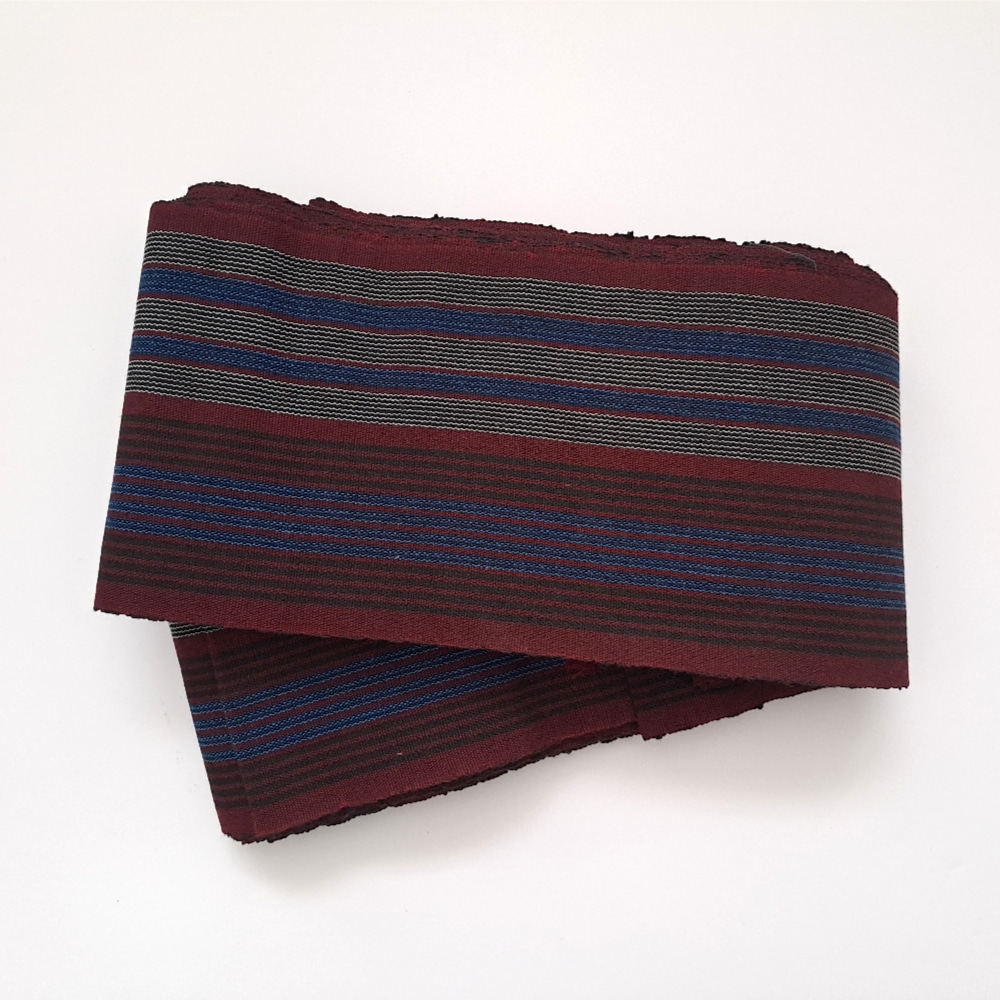
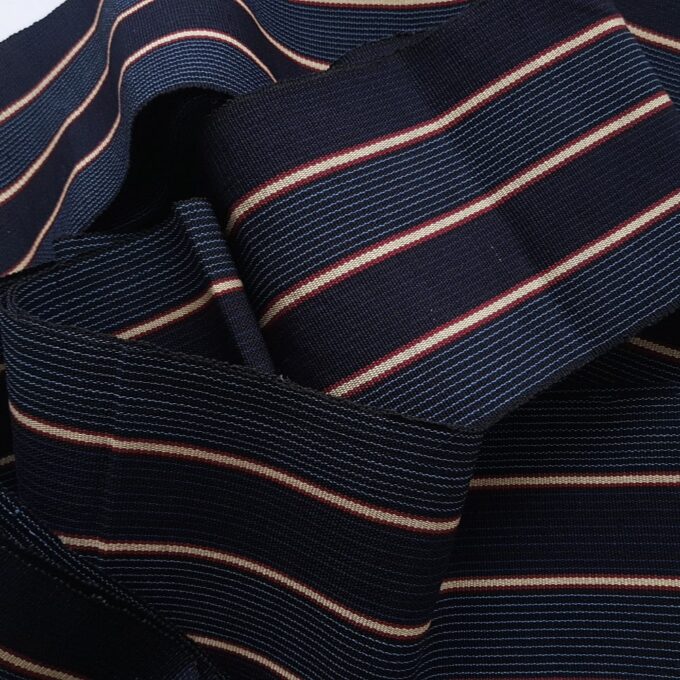
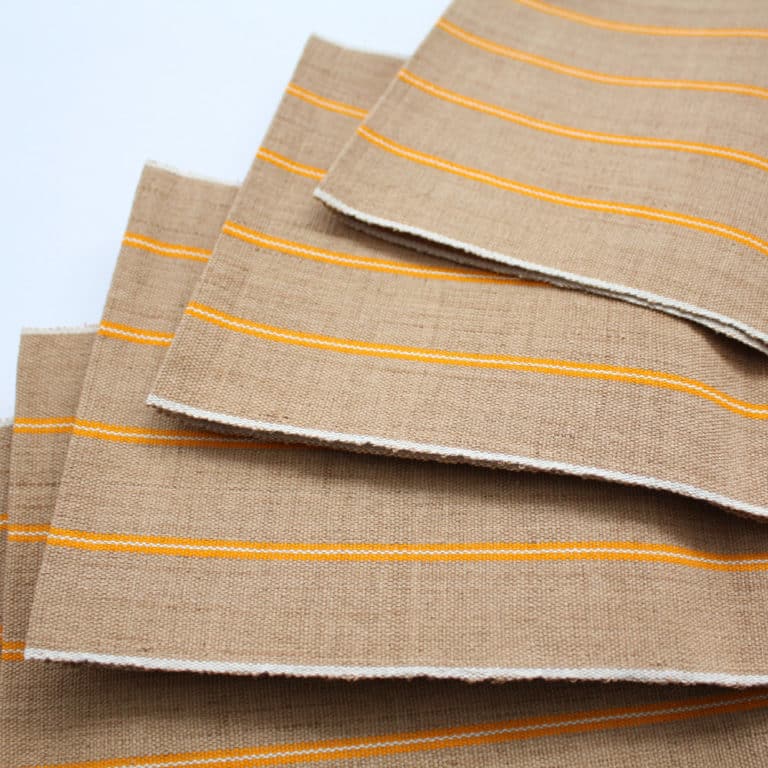
There’s Alaari, the vibrant wine-red or deep purple variant, synonymous with celebration and power. When you spot it at a wedding, especially on groomsmen or elder chiefs, you know something big is going down. Then there’s Sanyan, a soft, luxurious tan made from wild silk — historically worn by kings and elders. It’s the fabric of dignity, calm wealth, and wisdom. And Etu, the indigo blue with minimal white stripes, holds a quiet confidence. It’s subtle, but commanding — like that uncle who doesn’t talk much but is respected by everyone.
These aren’t just color choices. They carry social significance. And if you know, you know.
But Aso Oke goes beyond just aesthetics. Some of the older patterns tell folk tales or reflect Yoruba proverbs. Others represent blessings like fertility, prosperity, and protection. Woven by hand and worn with pride, each yard is like a page out of the Yoruba spiritual and social playbook.
Let’s Clear This Up: Aso Oke ≠ Aso Ebi
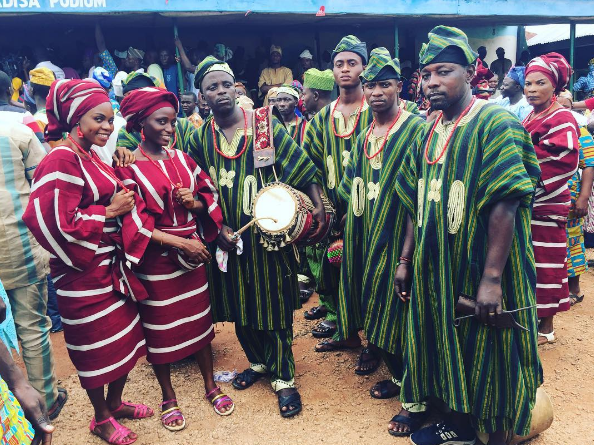
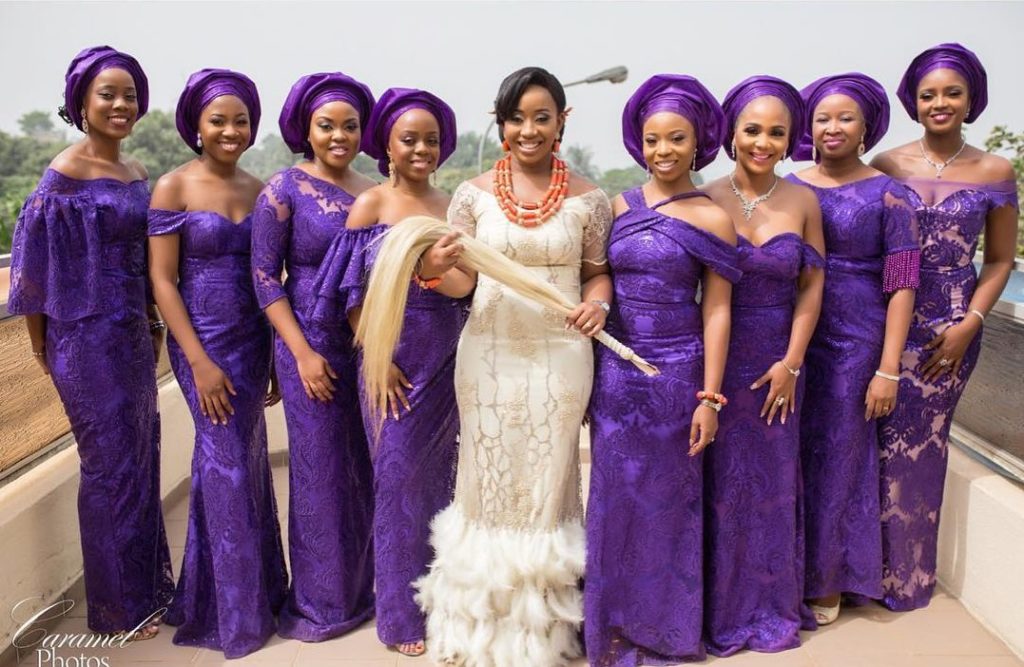
It’s a mix-up that happens all the time — and it’s time we settled it once and for all.
Aso Oke is the cloth. The fabric. The masterpiece on its own.
Aso Ebi is the practice — the culture of a group of people dressing alike for a celebration to show unity and support. Aso Ebi can be made from lace, Ankara, silk — or yes, Aso Oke. But the cloth and the practice are not the same.
When people say, “We’re doing Aso Ebi,” and you turn up in Sanyan with 12 lines of hand-stitched embroidery? Be proud. You’re wearing Aso Oke. And you’re wearing Yoruba history.
Not Just Fine-Fine: Aso Oke as Identity and Power
While Aso Oke looks stunning on the red carpet, taking a moment to reflect reveals that this fabric has always held significance beyond its surface beauty. It is a flag of Yoruba identity — a badge of honour that links the wearer to ancestry, land, and legacy.
For centuries, Yoruba kings, war chiefs, and spiritual leaders have worn specific types of Aso Oke to reflect their role in society. The patterns were unique to royal households, the motifs often sacred. Even today, if you attend an event like the Ojude Oba in Ijebu or the coronation of a new oba, you’ll see Aso Oke in its most majestic form — structured, starched, and sparkling.
It’s no coincidence. The cloth is designed to elevate, honor, and signal pride in one’s roots. That’s why the Yoruba say, “Aso l’afi’n ra eniyan” — “It is with cloth that we adorn a person.”
How It’s Made: The Loom Is Where Magic Happens
Ask any weaver from Iseyin, and they’ll tell you: Aso Oke weaving is not just a craft — it’s an inheritance.
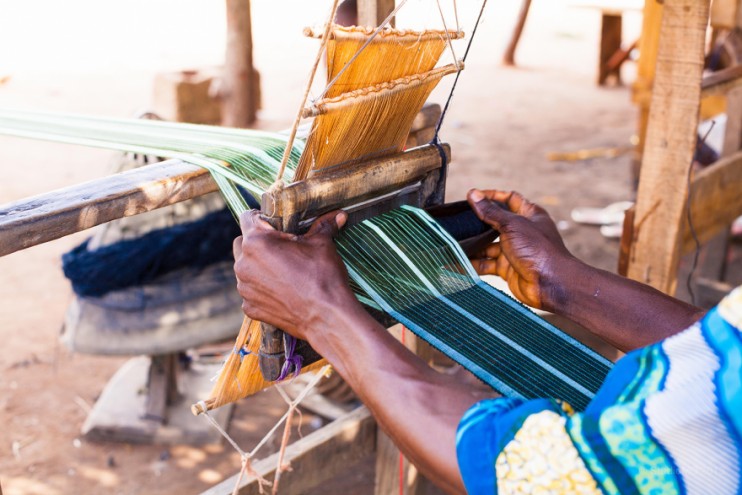
The process begins with the yarn, often hand-dyed using indigo, onion skins, or bark. From there, the loom is set up — sometimes taking an entire day — before weaving begins. The weaver, often male, uses hands and feet in rhythmic coordination to pass threads across a wooden frame, row by row, until patterns begin to form. This process could take days or even weeks, depending on the design.
Each worker finishes a strip that is only a few inches wide, and they must sew these strips together to create larger pieces of fabric. Then come the extras: embroidery, lace accents, beads. It’s painstaking work, but the result is worth every thread.
Read: How To Properly Wear Your Filà
Modern-Day Remix: From Palaces to Pinterest
Aso Oke has always belonged to the culture. However, in the past decade, it has also become part of the culture’s future.
Today’s designers are giving Aso Oke a fresh spin. From Deola Sagoe’s sculptural gowns to Instagram designers making bucket hats, sneakers, and handbags — Aso Oke is entering a new era. It’s no longer just for weddings or chieftaincy titles. People rock it to birthdays, concerts, and photoshoots.
And thanks to platforms like Meekono and Konga, you can now order custom-woven pieces online and have them delivered globally. What was once only for the rich or connected is now becoming part of everyday fashion, especially among the diaspora seeking a deeper connection to their roots.
The Bottom Line: Aso Oke Isn’t Just Fabric — It’s a Legacy
In a world of fast fashion, Aso Oke is a reminder of what it means to wear something with meaning.
It’s about tradition, yes — but also transformation. It bridges the gap between ancestors and Gen Z stylists, between kings and Instagram influencers. It teaches us that true elegance is never rushed and that what’s woven with care lasts forever.
So next time you see a gele tied high or a groom gliding in agbada that looks like it took 200 hours to make — remember: that’s not just an outfit.
That’s Aso Oke. And now, you really know.