
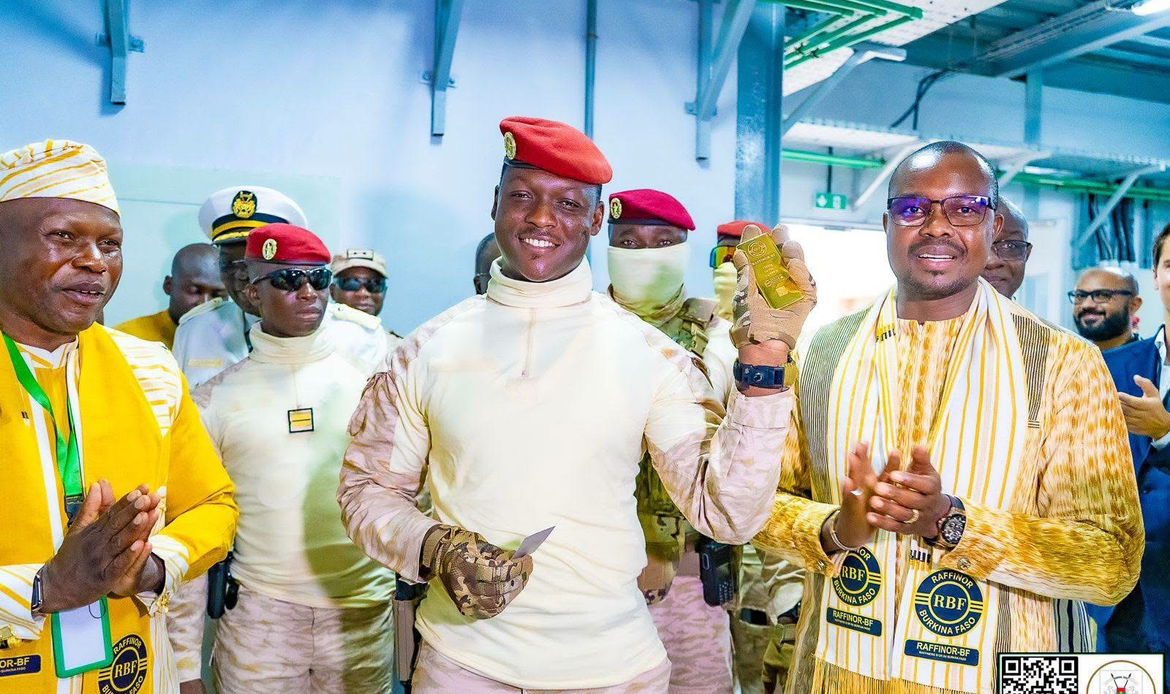
Burkina Faso has taken a major step towards processing more of its mineral wealth at home with the inauguration of its first gold refinery in Ouagadougou.
Captain Ibrahim Traoré inaugurated RAFFINOR-BF on 28 September 2026, bringing domestic refining, gold testing, certification and secure storage into the country’s mining value chain. The facility represents a significant shift from exporting gold in less processed forms towards retaining more of the activity and value associated with the resource within Burkina Faso.
RAFFINOR-BF Starts With 164-Tonne Capacity
Built on a five-hectare site in Ouagadougou, RAFFINOR-BF was developed at a cost of about 11 billion CFA francs, with funding from the Burkinabè state through the National Precious Substances Company, SONASP, alongside private-sector partners.
Read Also: Burna Boy Set To Make History As First African Act At Apple Music Hall In London
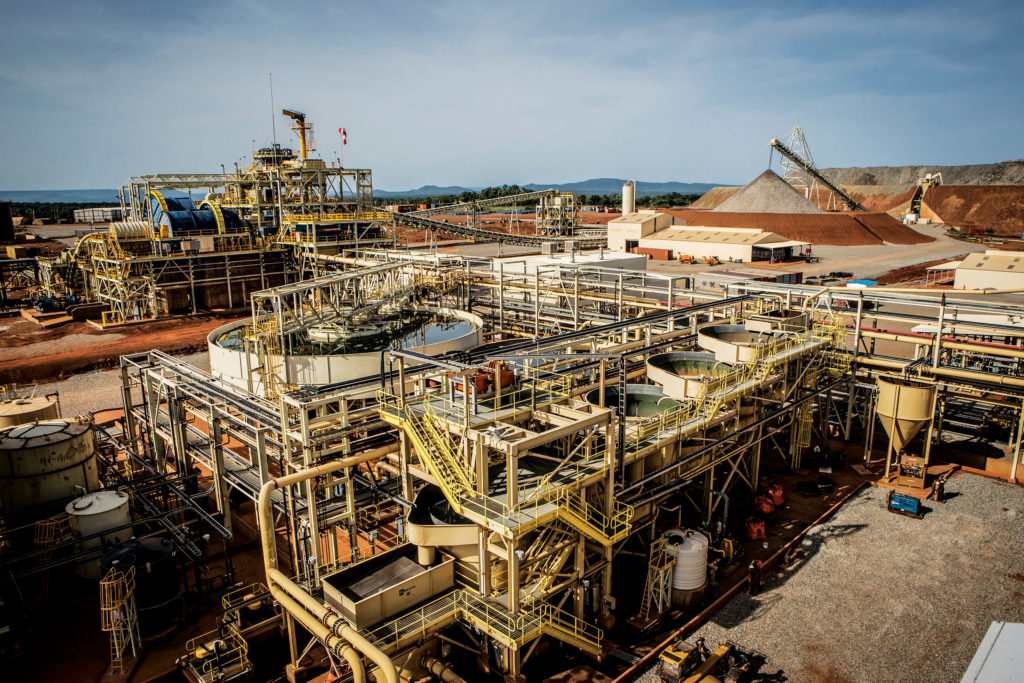
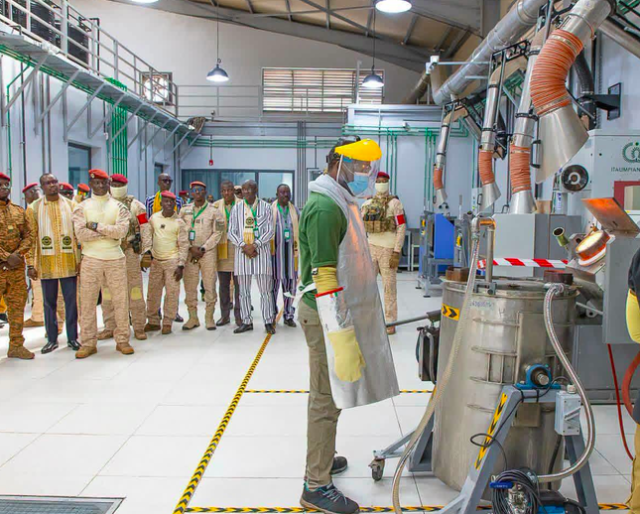
The refinery includes a foundry, analysis laboratory, gold storage facilities, jewellery unit and administrative building. Its equipment is automated and designed around a modular system, allowing additional refining lines to be installed as operations expand.
The first phase has a theoretical refining capacity of 164 tonnes of gold annually. A second phase is expected to increase this to 515 tonnes per year. The facility is designed to transform doré gold into fine-gold bars with a purity of up to 99.99 per cent, according to Burkina Faso’s Ministry of Energy, Mines and Quarries.
That planned capacity is significant when compared with the country’s current output. Burkina Faso produced more than 94 tonnes of gold in 2025, including production from industrial, artisanal and semi-mechanised operations.
More Gold Processing, Jobs and Value at Home
For Burkina Faso, the refinery is about more than having another industrial facility. It gives the country infrastructure to carry out more stages of the gold value chain locally.
Before the refinery opened, gold could leave the country in doré form for further processing and certification elsewhere. RAFFINOR-BF is designed to bring those activities into Burkina Faso, giving the country greater capacity to assay, refine, certify and securely store its gold domestically.
The government also expects the project to support employment. Reports on the refinery indicate that it could create more than 100 direct jobs and around 5,000 indirect jobs as activity around the facility develops.
The development also fits into Burkina Faso’s wider push to increase state participation and local control across its mining sector. Government officials have said they want the mining industry to contribute more directly to industrial development, employment and local economic activity.
Read: Ankara Festival Africa Is Bringing Ankara’s Story to Lagos
Burkina Faso Joins Africa’s Local Refining Push
The refinery arrives as several African gold-producing countries look to capture more value from minerals before they leave their borders.
Across the continent, governments are increasingly examining how local processing can support industrialisation, strengthen mineral governance and create opportunities beyond extraction. Burkina Faso’s new facility gives it an additional platform from which to participate in that shift.
The 515-tonne expansion target also gives RAFFINOR-BF ambitions beyond serving current national production. A larger refining operation could eventually support wider regional activity if the necessary supply, certification and commercial arrangements develop.
For Burkina Faso, the immediate priority is clear: process more of its gold locally and build more capacity around a resource that already plays a major role in its economy.
RAFFINOR-BF therefore marks the beginning of a new phase for the country’s gold industry. The next test will be how effectively the refinery connects miners, processors, jewellery businesses and other parts of the value chain to turn local refining capacity into broader economic opportunities.
Follow RefinedNG for more African business, economic and innovation stories shaping the continent’s future.