
Your 30s can be a busy decade. Work gets serious, responsibilities increase, family life may change, and suddenly, “I’m still young” becomes the reason you keep postponing that hospital visit.
But good health is easier to protect when you pay attention before something feels wrong. Many conditions, including hypertension and diabetes, can develop without obvious symptoms. In Nigeria, the World Health Organisation estimates that 36.1% of adults aged 30 to 79 had hypertension in 2019.
That makes your 30s a good time to know your numbers and establish a health baseline. Here are seven checks worth discussing with your healthcare provider.
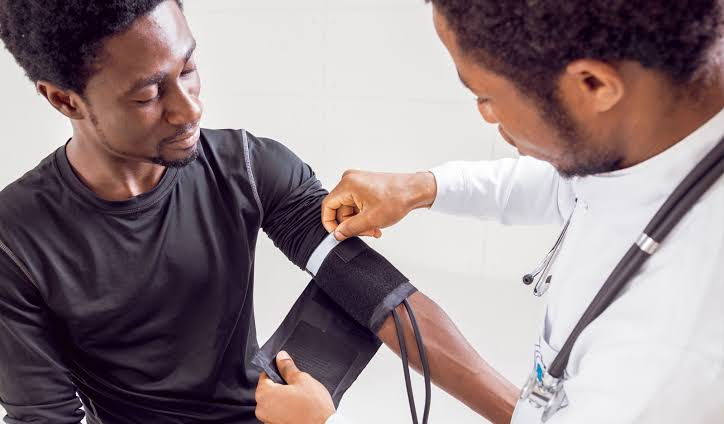
1. Blood Pressure Check
This is one of the simplest health checks you can have, and it takes only a few minutes.
High blood pressure can go unnoticed for years while increasing the risk of heart disease, stroke and kidney problems. The WHO says people with hypertension may have no symptoms, which is why regular measurement matters.
If your blood pressure has consistently been normal and you have no major risk factors, screening may not need to happen every few months. However, people with a higher risk, including those who are overweight or have previously recorded high readings, may need more frequent checks.
And yes, that pharmacy blood pressure machine can be useful. Just make sure abnormal readings are properly assessed by a healthcare professional.
2. Blood Sugar Test
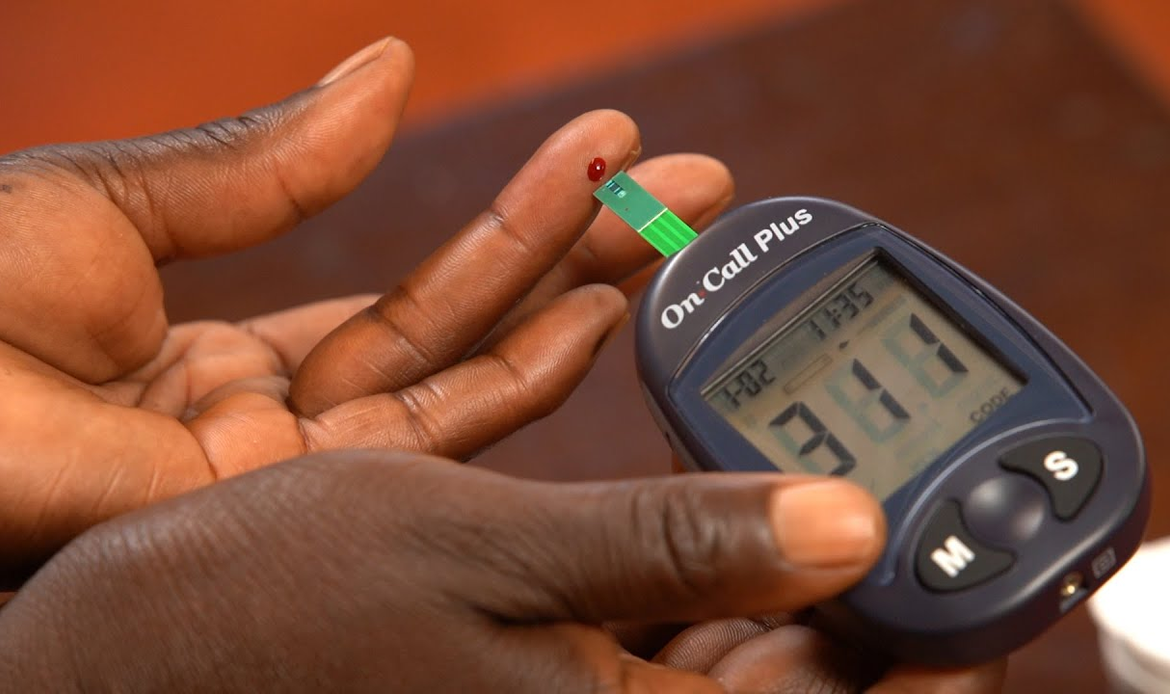
A fasting blood glucose test or HbA1c can help identify pre-diabetes or diabetes.
This is particularly worth discussing if you have a family history of diabetes, carry excess weight, have had gestational diabetes, or have other risk factors. The WHO reports that diabetes is an increasing health concern in Nigeria and estimates the country’s diabetes prevalence at 4.3%.
You do not have to wait until you are constantly thirsty or urinating frequently before checking your blood sugar.
Related: Things You Should Know About Diabetes
3. Cholesterol or Lipid Profile
You may feel perfectly healthy and still have high cholesterol.
A lipid profile measures substances such as LDL cholesterol, HDL cholesterol and triglycerides. High cholesterol usually does not cause symptoms, so a blood test is the way to know your levels.
For healthy adults, cholesterol testing is commonly repeated every four to six years, although your doctor may recommend more frequent testing if you have diabetes, cardiovascular disease, a strong family history or other risk factors.
4. Kidney Health Check
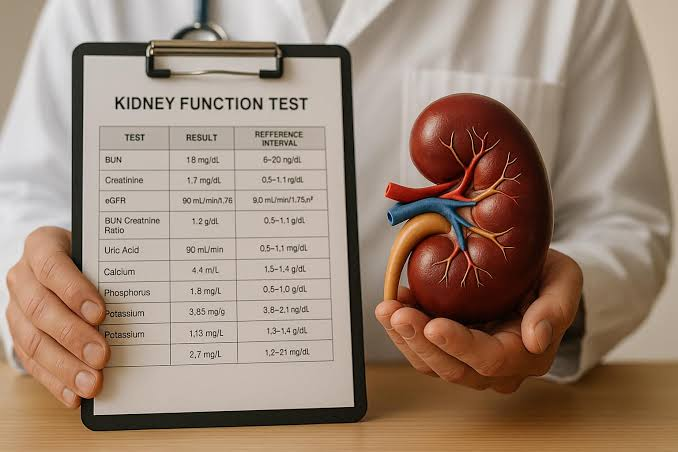
Your kidneys do a lot of work without asking for attention, so it is worth checking how they are functioning when there is a reason to do so.
A kidney assessment may include a blood creatinine test, estimated glomerular filtration rate (eGFR) and a urine test for abnormalities such as protein or blood. These tests become especially important if you have hypertension, diabetes, recurrent urinary problems, a family history of kidney disease or take certain medicines regularly.
There is no need to automatically order every kidney test every year if you are healthy and have no risk factors. A clinician can determine what is appropriate for you.
5. HIV, STI and Hepatitis Screening
Your 30s are also a good time to stay informed about your sexual health.
Depending on your circumstances, this may include HIV testing and screening for sexually transmitted infections such as syphilis, gonorrhoea and chlamydia. WHO guidance supports regular HIV testing based on a person’s risk and circumstances.
Hepatitis B is also worth discussing with your healthcare provider. WHO recommends hepatitis B testing for adults in settings with intermediate or high prevalence, alongside vaccination and appropriate care where necessary.
These are routine health checks, not moral report cards. Knowing your status gives you useful information for protecting yourself and others.
Related: Can Suya Cause Cancer? Here’s What Doctors Are Saying
6. Cervical Cancer Screening
For women, cervical cancer screening deserves a place on the preventive health checklist.
WHO recommends high-performance HPV testing for the general population beginning at age 30, with screening repeated every five to 10 years depending on the strategy used. Women living with HIV have different recommendations and may need screening from age 25 at shorter intervals.
Pap tests may also be used depending on the healthcare system and available screening options. The important thing is to discuss the appropriate method and interval with a qualified healthcare professional.
7. A General Health Review
Finally, book the appointment, not just the laboratory test.
A proper health review can cover your weight, waist circumference, lifestyle, medications, family history, mental well-being, diet, physical activity, sleep and any symptoms you have been ignoring.
Depending on your age, sex, family history and risk factors, your doctor may also recommend other checks, including eye or dental examinations and additional blood tests.
The key is that preventive healthcare should be personal. A friend ordering 15 tests because “someone said everybody should do them annually” does not automatically mean you need the same package.
Your 30s Are a Good Time to Know Your Numbers
You do not need to wait until something hurts before paying attention to your health. Start with the basics, keep records of your results and discuss changes with a healthcare professional.
Your 30s are also a good time to understand your family medical history and build habits that can protect your health for decades to come.
When was the last time you had a proper health check? Start with one appointment and find out which screenings actually make sense for you. For more practical health, wellness and lifestyle stories, follow RefinedNG and stay connected with us.