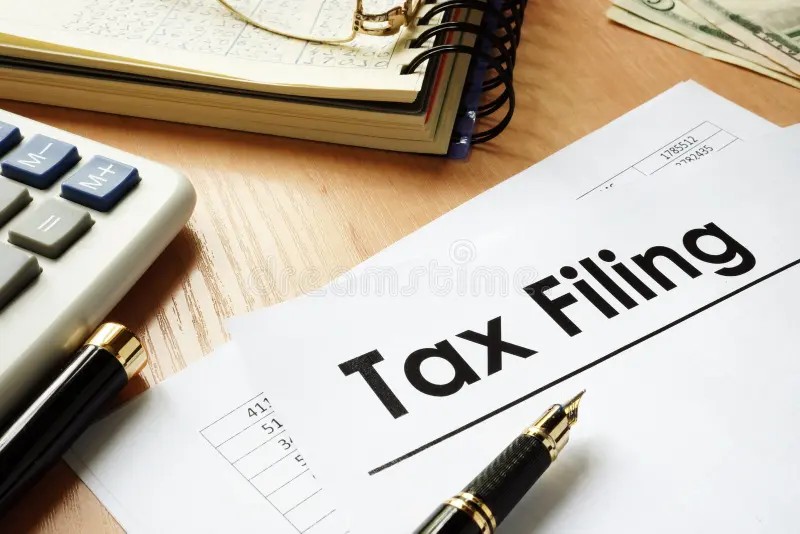
Let’s be honest. Filing your tax is one of those things many people keep pushing forward until it becomes urgent. You tell yourself you will do it next week, then next week turns into March 30 and panic sets in.
The truth is, filing your tax returns is not just about staying out of trouble. It is about keeping your financial life in order and proving you are compliant when it matters. From loan applications to visa processing, your tax record can quietly open or close doors.
In Nigeria, the deadline for filing personal income tax is March 31 every year. The good news is that the process is far simpler than it sounds. Once you understand what to do, it becomes a routine you can handle confidently.
So, first things first, who actually needs to file?
Who Needs to File Tax Returns?
Short answer: almost everyone who earns money.
If you are a salaried employee, your employer likely deducts tax through the PAYE system. That is helpful, but it does not replace your responsibility to file your own annual return. Their filing keeps them compliant. Yours keeps you compliant.
If you are self-employed, run a business, freelance, or earn from multiple streams like rent, investments, or side gigs, then you are fully responsible for calculating and filing your taxes.
Even if your income is low or you earn around the minimum wage, you are still expected to file. In that case, you may not need to pay anything, but you still need to declare your status.
Once you understand that filing applies to you, the next step is figuring out how to actually get it done.
Read: Nigeria’s New Tax Laws Simplified So You Can Understand
Step-by-Step Guide to Filing Your Tax Returns

Filing your taxes becomes easier when you break it into simple steps.
Start by identifying where to file. Personal income tax is handled at the state level, so you will file with the Internal Revenue Service of the state where you live. Not where your office is, but where you reside.
Next, calculate your total income for the year. This includes your salary, business earnings, freelance work, rent, or any other income stream. If you earn from multiple sources, combine everything into one figure.
After that, check if you have any outstanding tax to pay. If your employer has already deducted some tax, subtract that from your total. You can pay any balance through your state’s online portal, through the bank, or using payment platforms like Remita.
Then gather your documents. This includes your payslips, bank statements, proof of income, rent receipts if you want to claim relief, and any investment records. Having these ready makes the process smoother.
Now you are ready to file. Login to your state’s tax portal or visit their office if needed. Fill out the self-assessment form, often called Form A, with your income details and deductions. Review everything carefully before submitting.
Once submitted and any payments are made, you are officially compliant. From there, you can request your Tax Clearance Certificate.
Why Filing Your Taxes Benefits You
Filing your taxes is not just about avoiding penalties. It actually works in your favour.
One major benefit is access to your Tax Clearance Certificate. This document proves that you have paid your taxes and is often required for important financial and legal processes. You may need it when applying for loans, bidding for contracts, registering a business, or even processing certain visas.
Beyond that, consistent tax filing helps you build financial credibility. It shows that your income is legitimate and documented, which can make a difference when opportunities come up.
Still, many people ignore this process until it becomes a problem. That is where mistakes start to happen.
Read: Why You Should Take Financial Literacy Seriously in 2026
Common Mistakes to Avoid and Final Tips
One of the biggest mistakes is waiting until the last minute. Filing close to the March 31 deadline increases the chances of errors or missing the deadline entirely.
Another common issue is not declaring all income sources. Even small side earnings count and should be included. Leaving them out can cause problems later.
Some people also forget to keep proper records. Without documentation, it becomes harder to file accurately or claim any reliefs available to you.
To stay on track, start early, keep your financial records organised, and use your state’s online portal where possible. It saves time and makes the process more straightforward.
At the end of the day, filing your tax returns is one of those things that feels complicated until you actually do it. Once you get into the habit, it becomes just another part of managing your money properly.
Stay informed, stay compliant, and stay ahead with your finances. Follow RefinedNG for more practical money tips, guides, and updates that help you make smarter financial decisions every day.