
It often starts the same way. A mild fever, a bit of fatigue, maybe a quick trip to the pharmacy for malaria drugs. A few days later, nothing changes. The fever lingers, the body feels weaker, and suddenly, what seemed like something familiar begins to feel different. In many homes across Nigeria, this is how Lassa fever slips under the radar.
Lassa fever remains a serious public health concern in West Africa, especially because its early symptoms look like illnesses people deal with every day. That confusion can delay proper treatment, and in cases like this, time matters. To get clear, practical answers, we spoke to healthcare professionals who deal with these realities closely. Their insights cut through the noise and focus on what truly matters for everyday people.
How Lassa Fever Actually Spreads
One of the biggest gaps in awareness is understanding how Lassa fever spreads in the first place. According to RN Babalola, the primary route of infection is not as dramatic as many assume. It often comes down to everyday contact with contaminated food, water, or household items.
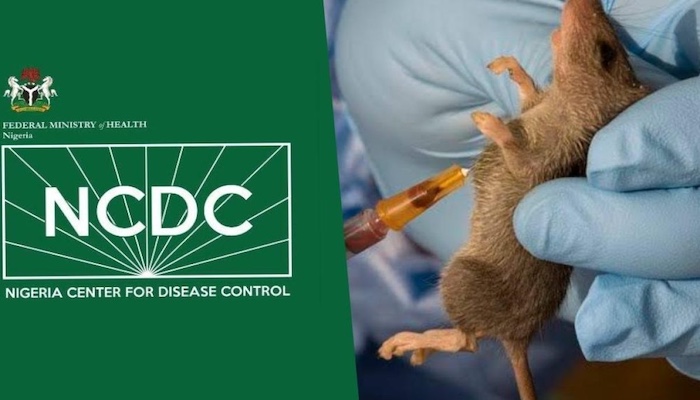
The source is the multimammate rat, a common rodent found in many homes and farms. These rats shed the virus through their urine and droppings, which can easily contaminate food or surfaces if proper hygiene is not maintained. You might not even see the rat, but the risk can still be there, especially when food is left uncovered or stored carelessly.
There is also another layer many people overlook. Infection can happen when tiny contaminated particles become airborne and are inhaled. On top of that, human-to-human transmission is possible through direct contact with bodily fluids such as blood, urine, or saliva. In healthcare settings where infection control is weak, this becomes even more concerning.
Dr. Adedeji reinforces this point clearly. These rats are not just a part of the environment, they are the main carriers of the virus. Once they are around living spaces, the risk of exposure increases significantly. Which makes one thing clear, prevention starts from how we manage our immediate environment.
Read: Antibiotics and Malaria: Here’s Why You Shouldn’t Self-Medicate
Early Symptoms People Often Ignore
If Lassa fever had a signature warning sign, it would be how easily it blends in. Dr. Durotoluwa explains that the early symptoms are not dramatic or alarming at first glance. They look exactly like what many people would treat at home without a second thought.
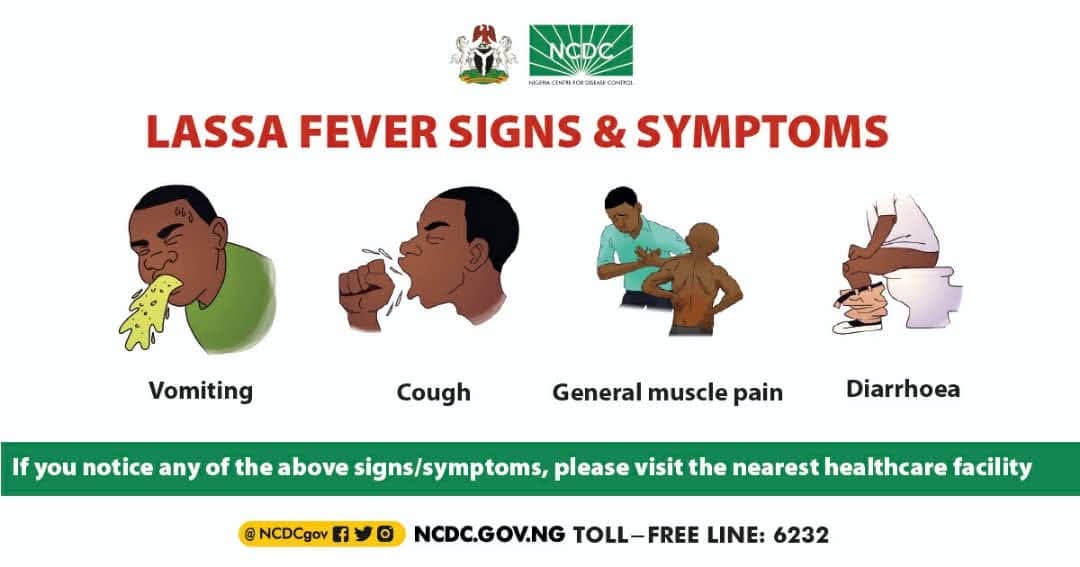
It often begins with a persistent fever, the kind that refuses to go away even after taking malaria medication or antibiotics. Alongside that, there may be a sore throat, nausea, vomiting, and a constant headache that does not seem to ease. Some people also experience joint pain or abdominal discomfort, symptoms that can easily be brushed off as stress or a minor illness.
The key detail here is persistence. A fever that lingers despite treatment is not something to manage casually. It is a signal that something else could be going on. As simple as it sounds, recognising when “this isn’t getting better” can make a life-saving difference.
The Misconceptions That Put People at Risk
Sometimes, the real danger is not just the disease, but what people believe about it. Dr. Patrick points out that one of the most common habits is assuming every fever is malaria. It is so ingrained that people may take antimalarial drugs multiple times without stopping to question why the symptoms are not improving.
This delay in seeking proper medical care can allow Lassa fever to progress unnoticed. By the time the person presents at a hospital, the illness may have already become severe.
Another misconception is about how the virus spreads. Some people believe it is only transmitted through the air, leading them to rely solely on face masks for protection. While masks can be helpful in certain contexts, they do not address the full picture. Lassa fever also spreads through direct contact with infected bodily fluids and contaminated surfaces, as well as through rodents.
Misinformation creates a false sense of control. People feel protected while still being exposed to the real risks. That gap between belief and reality is where many problems begin.
Practical Ways Families Can Protect Themselves
While all of this might sound concerning, the encouraging part is that prevention is very practical. According to Dr. Omotayo, most of the protective steps start from everyday habits at home.
Food storage is one of the most important. Staple foods like garri and rice should be kept in tightly sealed containers to prevent contact with rodents. Leaving food exposed, even for short periods, creates an easy pathway for contamination.
Cleanliness also plays a major role. Regularly cleaning the home, properly disposing of waste, and avoiding leftover food scattered around the house can significantly reduce the presence of rats. It is not just about keeping things neat, it is about removing what attracts these rodents in the first place.
Homes should also be checked for entry points. Small holes in walls, gaps in doors, or open ceilings can serve as easy access routes for rats. Sealing these openings may seem like a minor fix, but it can make a big difference.
Another practice that often goes unnoticed is how food is dried. Items like cassava, pepper, or grains should not be spread on the ground or roadside where they can easily be contaminated. Using clean, raised surfaces helps reduce that risk.
On a broader level, handwashing and personal hygiene remain essential. These simple habits, when done consistently, create a strong line of defence. And beyond individual homes, community sanitation and awareness help reinforce these efforts.
Read: Snake Bites: What To Do, What Not To Do, and How To Stay Safe
What This Means Going Forward
Lassa fever is not a mystery illness, and it is not beyond control. The real challenge lies in awareness, early action, and everyday prevention. When people understand how it spreads, recognise the early signs, and take simple precautions seriously, the risks drop significantly.
The difference often comes down to small decisions. Paying attention to a persistent fever. Storing food properly. Keeping the environment clean. These are not complex solutions, but they are powerful ones when done consistently.
At the end of the day, staying informed is one of the strongest tools anyone can have. The more we understand, the better we can respond, and the safer our communities become.
Share this with someone who needs it. Stay informed, take symptoms seriously, and follow RefinedNG for more stories that help you live smarter and healthier every day.