
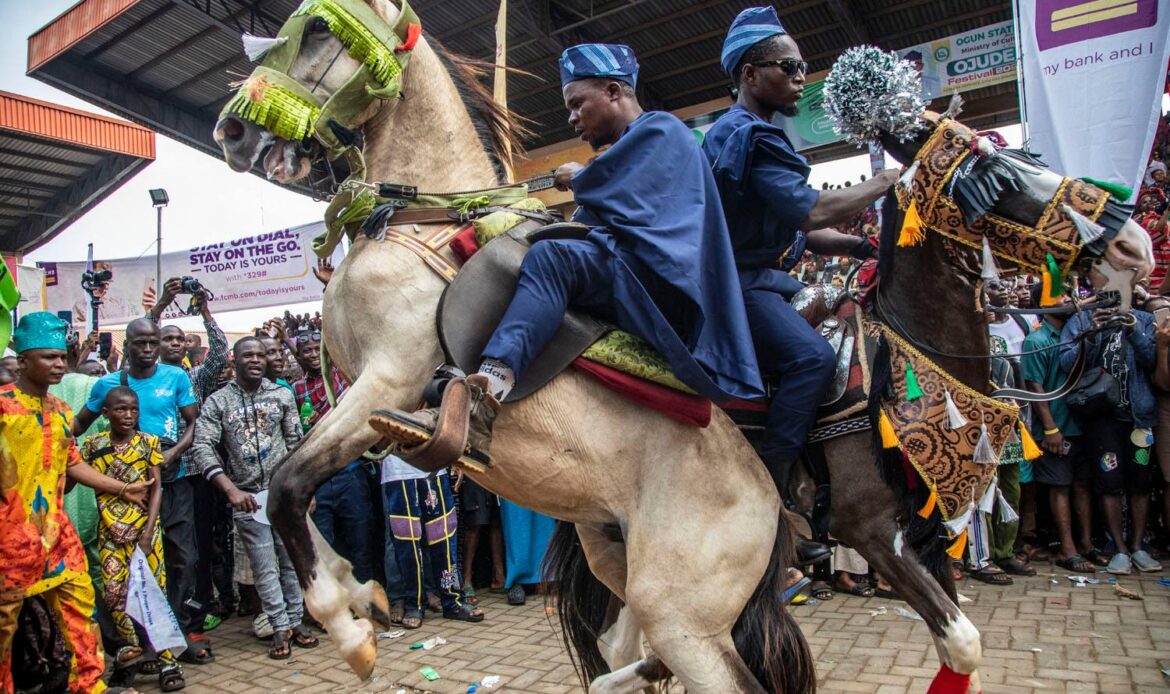
Every year, thousands gather in Ijebu Ode, draped in the most opulent agbada, gele that defy gravity, and shoes that shine brighter than the midday sun. Cameras flash, horses parade, and drums shake the ground. The Ojúde Ọba festival is a sensory feast—a glorious celebration of culture, fashion, community, and Yoruba pride.
But what if we told you it’s more than just a glamorous spectacle? Behind the matching outfits and regal dance steps lies a deeply political origin story—one that involves war generals, religious conversions, economic revolutions, and a man so wealthy that his house rivaled European nobility in the 1890s.This isn’t just about the present-day pomp. It’s about legacy.
Welcome to Ojúde Ọba — the festival where culture meets power, and every drumbeat echoes with centuries of story.
Let’s take you behind the lace and into the legend.
Did You Know Ojúde Ọba Began with Political Rebellion?
Long before it became a parade of prestige and panache, Ojúde Ọba was rooted in defiance — and Balogun Kuku was its central figure.
In the late 1800s, Ijebu was facing intense pressure. The powerful Ibadan army, led by the legendary Aare Latosa, was expanding its reach, threatening to dominate trade routes and control coastal access. To block this, Awujale Afidipote, ruler of Ijebu, closed toll roads and backed the Egba warriors. The economic result? Recession.
Top Ijebu merchants were furious. Their fortunes relied heavily on trade with Ibadan. So when the Awujale started confiscating property and exiling dissenters, chaos brewed. Balogun Onafowokan, a revered war general, mobilized his troops at Oru, forcing the Awujale into exile. Amidst this upheaval, Balogun Kuku emerged not just as a military ally but as a merchant king. He earned vast wealth through arms and salt trade and became Seriki of Ijebu Ode. His rise to power and cultural prominence laid the groundwork for a festival that would later become Ojúde Ọba.
So when the Balogun families ride horses today, they’re not just putting on a show — they’re reenacting a historical flex. It’s heritage with horsepower.
Read: Ojude Oba: All You Need to Know About Ijebu’s Iconic Festival
Balogun Kuku: The Man, His Mansion & His Many Wives
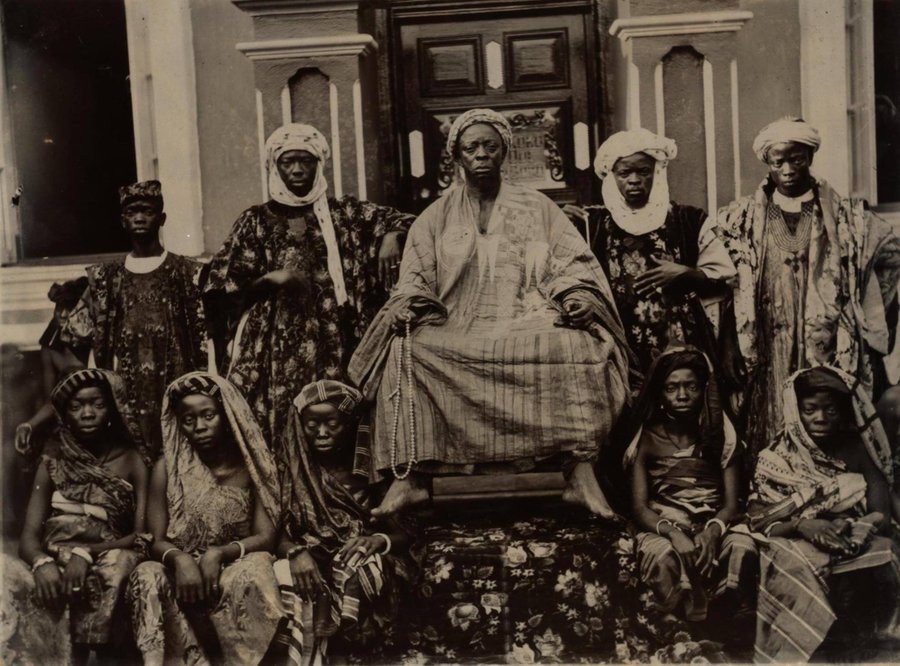
Let’s talk about the man who didn’t just make history — he built it, literally.
Balogun Kuku wasn’t just powerful — he was loaded. His fortune from arms, salt, and toll commissions made him one of the wealthiest men in the region. And like any man of means in 19th-century Yorubaland, he had a harem. A large one.
When Christian missionaries began advocating monogamy, Balogun Kuku had a simple solution: he converted to Islam. That way, he could keep his wives and wealth legally and socially intact. Talk about strategic spirituality.
He topped it off with a mansion that rivaled European nobility. Built-in the 1890s by renowned Afro-Brazilian mason Balthazar Reis, the estate boasted Victorian wallpaper, imported furniture, and architectural elegance that no king’s palace could match at the time.
In many ways, his lifestyle embodied what Ojúde Ọba still celebrates today: power, prestige, and unapologetic flair.
From Exile to Influence — The Power Politics Behind the Festival
Before it became a feast of fashion and festivity, Ojúde Ọba was born out of power shifts and calculated rebellion.
The fallout between Awujale Afidipote and Ijebu’s merchant class, including Balogun Kuku, had deep economic consequences. When the Awujale blocked Ibadan’s access to coastal trade routes — a move meant to assert control — he triggered economic collapse in Ijebu. The city’s trade-dependent elite weren’t having it.
Tensions escalated, and with support from the powerful Balogun Onafowokan, a full-blown internal revolution forced the Awujale into exile in 1883. His throne was taken, his advisors fled, and Ijebu’s economic and political structure was rebuilt under new power brokers. The once-exiled merchants returned, and Balogun Kuku emerged even stronger — both financially and politically.
It was from this new merchant-military class that the first iterations of Ojúde Ọba took shape: a gathering not just to pay homage to the king, but to show the weight of influence — cultural, financial, and political.
So when age-grade groups parade today or Balogun descendants arrive on horseback, they’re not just honoring tradition — they’re continuing a legacy of resistance, restoration, and recognition.
Why the Balogun Families Still Steal the Show
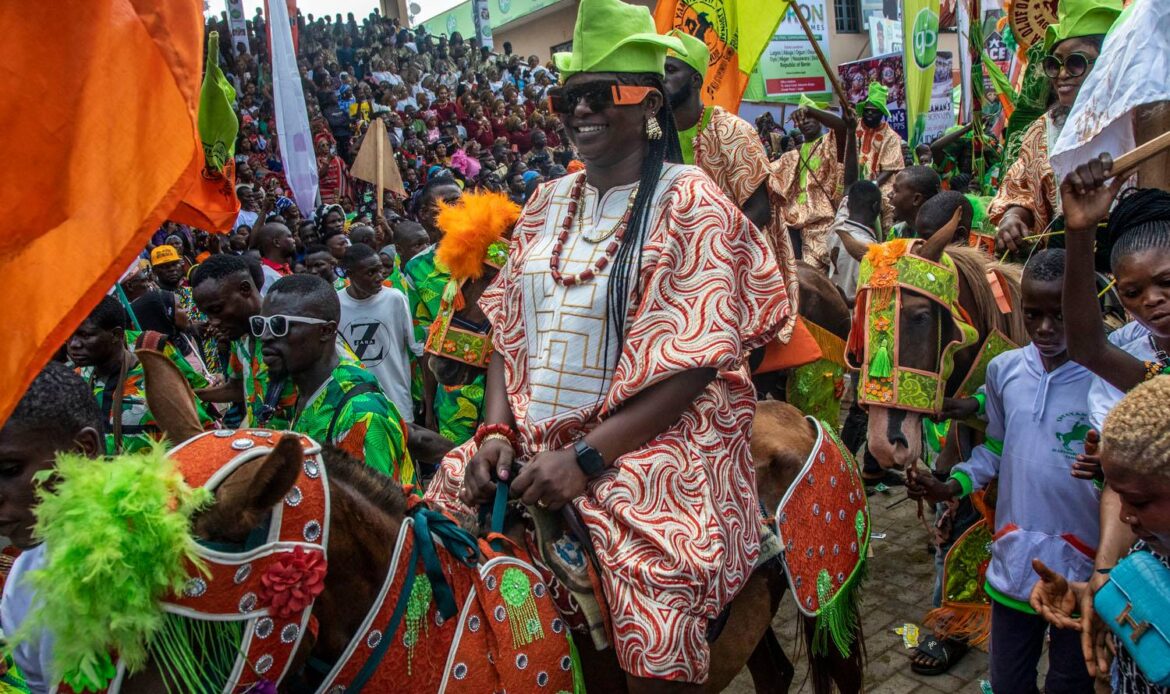
At every Ojúde Ọba festival, the roar of gunshots in the air means only one thing: the Baloguns have arrived. Decked in regalia, riding elaborately adorned horses, and surrounded by booming drumlines, these descendants of Ijebu war generals don’t just show up — they take over. But beyond the visual spectacle lies deep historical symbolism.
Each Balogun family represents a lineage of military might and merchant influence — from Onafowokan to Kuku, warriors who shaped the fate of Ijebu with both sword and strategy. Their entrance is a reenactment of past glory, a cultural nod to the days when titles were earned in the battlefield and cemented through savvy trade.
In today’s Ojúde Ọba, their dramatic procession reminds everyone: this isn’t just tradition, it’s tribute. To power, bloodline. To the men who didn’t just ride horses — they rode history.
The Art, The Fashion, The Flex
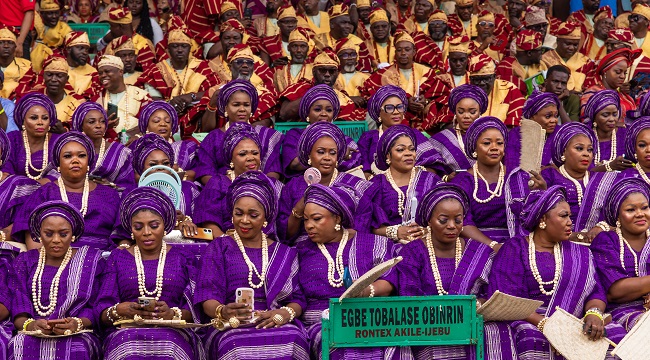
Let’s not lie — one of the biggest highlights of Ojúde Ọba is the drip. From glistening agbadas to handwoven aso-oke laced with crystals, Ojúde Ọba is the unofficial Met Gala of Yoruba culture. Age-grade groups (regberegbe) plan their outfits a year in advance, competing not just for best dressed, but for the loudest statement of success. No outfit is repeated — ever.
To wear last year’s lace is to commit cultural fashion suicide. Every group comes with coordinated attire, hired drummers, and choreographed dance steps. Even the horses are dripped out — beads, fabrics, feathers — nothing is off limits.
But the flex isn’t just about vanity. It’s a declaration: we are thriving, and we are together. Fashion becomes a visual history book, a walking art installation, and a living testimony to the wealth, unity, and cultural pride of Ijebu people.It’s not just about dressing well — it’s about dressing with purpose.
Read: Farooq Oreagba: The Man With The “Steeze” at the 2024 Ojude Oba
Viral Moments, New Icons & The Global Spotlight
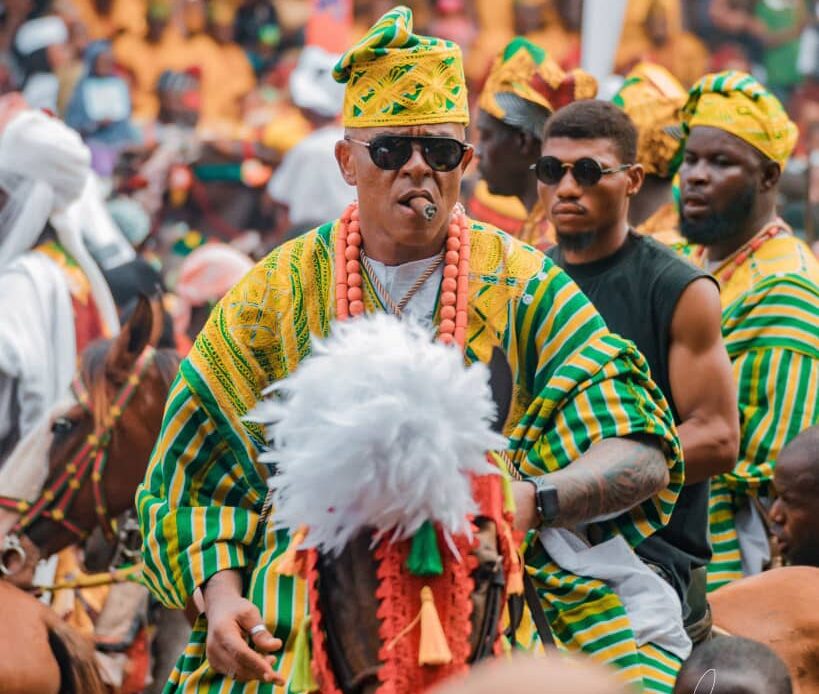
Ojúde Ọba may be rooted in 19th-century legacy, but it’s thriving in the 21st-century spotlight.
The 2024 edition went viral when cancer survivor and culture icon Farooq Oreagba made his regal entrance — covered in tribal tattoos, riding horseback, and dripping in royalty-meets-rockstar energy. His moment wasn’t just fashion; it was defiance, resilience, and cultural pride on display.
Social media now plays a major role in amplifying the festival’s reach, with images of agbadas, gele, and galloping horses spreading across timelines from Lagos to London. Ojúde Ọba isn’t just a Yoruba event anymore — it’s a global celebration of African excellence.
Ojúde Ọba Is More Than a Festival — It’s a Statement
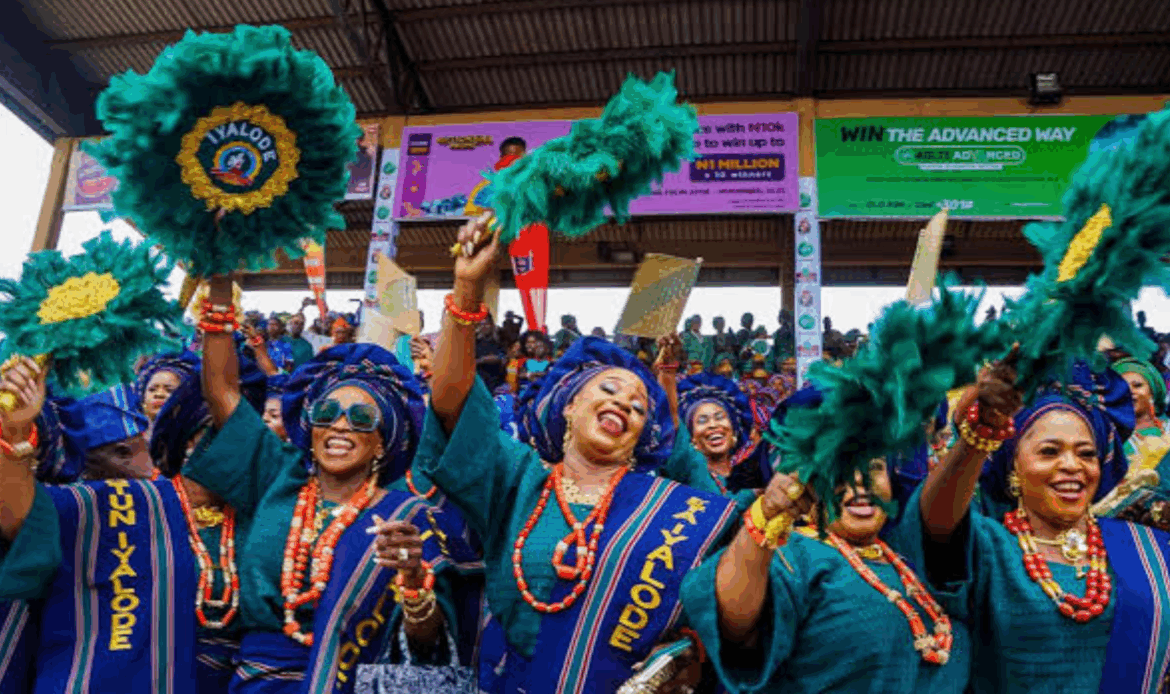
In the dazzling chaos of colours, drums, horses, and heritage, Ojúde Ọba remains one thing above all: a powerful statement. It’s a living celebration of resilience, community, and unapologetic cultural pride.
From political origins to fashion-forward parades, every inch of the festival tells a story — of triumph, tradition, and transformation. It’s where Yoruba elegance meets ancestral reverence, and where each generation shows up to say: we are still here, and we are thriving.
So next time you see the spectacle, remember — it didn’t start with Instagram. It started with legacy.