
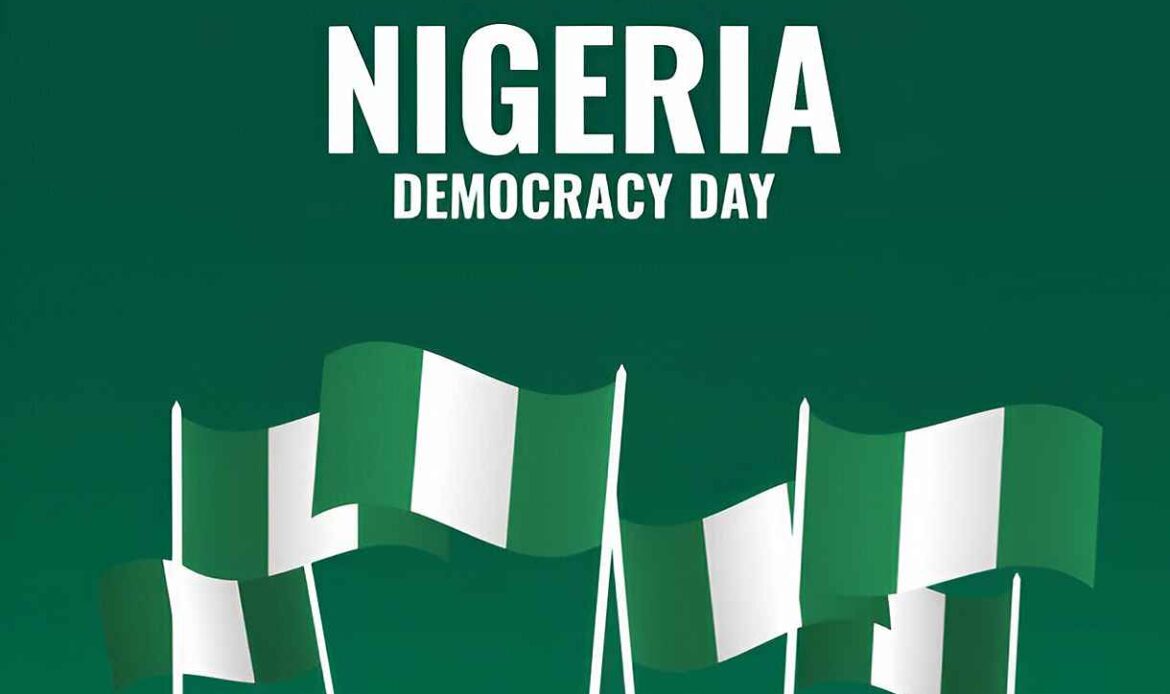
Did you know that only 34% of Nigerian adults can correctly identify when Democracy Day is and why it changed? That’s according to a 2023 survey by the Centre for Democracy and Development. Despite being a public holiday, many Nigerians don’t fully understand why June 12 holds such deep democratic meaning.
In this piece, we explore ten surprising facts about June 12 — from the roots of the 1993 election to the day’s evolving role in Nigeria’s civic life. Whether you lived through it or just learned of it in school, there’s more to June 12 than meets the eye.
1. June 12 Wasn’t Always Democracy Day
Before 2018, Nigeria observed Democracy Day on May 29 — the date civilian rule resumed in 1999. But in a landmark move, President Muhammadu Buhari declared June 12 the new Democracy Day to honor the 1993 election.
The shift wasn’t merely symbolic. It acknowledged MKO Abiola — the presumed winner of that election — and sought to correct what many saw as a historical injustice. Invoking powers under the Public Holidays Act, the presidency formally rewrote Nigeria’s democratic calendar, sparking national reflection on the true origins of the country’s democratic struggle.
2. MKO Abiola Won Across Ethnic and Religious Lines
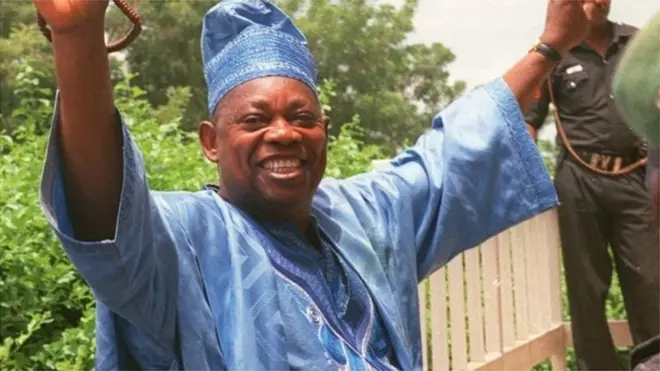
The 1993 election was remarkable not just for its fairness but for its unity. MKO Abiola, running under the Social Democratic Party (SDP), won in 19 of 30 states — north and south, Muslim and Christian — a rare feat in Nigeria’s often fragmented politics.
His “Hope ’93” campaign cut across ethnic and religious boundaries, advocating poverty eradication, social welfare, and economic inclusion. It remains one of the few examples of a truly pan-Nigerian mandate. That broad-based support is part of why June 12 holds such enduring symbolic power in Nigerian political consciousness.
Read: Abidemi Babalola Wins $300K Dan David Prize
3. The Results Were Never Officially Declared
Despite widespread support and transparency, the official results of the 1993 election were never announced. The National Electoral Commission (NEC) was reportedly preparing to declare Abiola the winner when the military abruptly intervened.
Instead, civil society and media organizations published tallies suggesting Abiola had won convincingly. The absence of an official declaration left a lasting void in Nigeria’s democratic record — one that has fueled debate, anger, and activism for decades.
4. The Military Cited “National Interest” in Annulment
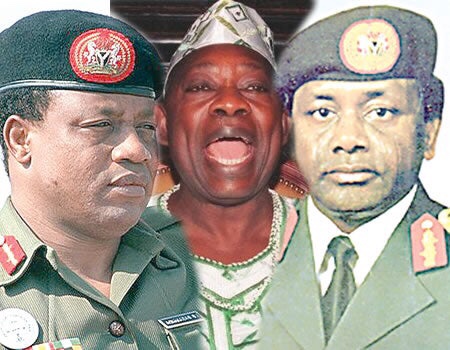
On June 23, 1993, military ruler General Ibrahim Babangida annulled the election, citing “national interest” without providing clear justification.
The move shocked Nigerians and the international community alike. Years later, Babangida admitted in interviews and his 2025 autobiography that the annulment was a mistake — one that he said still haunts him. For many, it remains one of Nigeria’s greatest political betrayals, plunging the country into unrest and delaying the return to democracy for another six years.
5. Abiola Declared Himself President in 1994
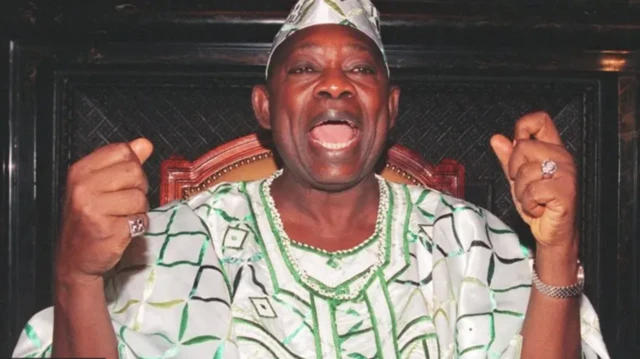
After months of silence and resistance from the regime, MKO Abiola declared himself the rightful president on June 11, 1994.
He was arrested the next day and charged with treason. Abiola spent four years in detention and died in custody on July 7, 1998, under controversial circumstances. His death occurred just as international and local negotiations were progressing toward his release. To many, he remains a martyr for democracy and a symbol of Nigeria’s unfulfilled electoral promise.
6. June 12 Was First Celebrated in the Southwest
Well before the federal government recognized June 12, southwestern states like Lagos, Ogun, and Oyo observed it informally as “Abiola Day.”
Community groups and state governments held rallies, lectures, and remembrance events to honor Abiola’s legacy. These grassroots commemorations kept the memory of the election alive. Over time, persistent local activism helped elevate June 12 to national status — proof that civic pressure can influence public policy, even at the highest level.
7. National Awards Are Now Part of the Day
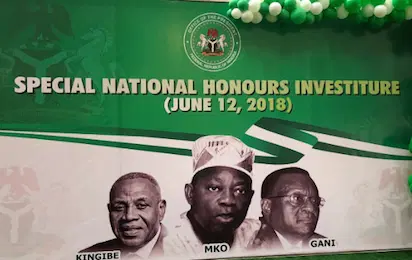
Democracy Day now includes presidential honors recognizing those who’ve defended democracy.
In 2018, MKO Abiola was posthumously awarded the Grand Commander of the Federal Republic (GCFR) — an honor usually reserved for presidents. His running mate, Babagana Kingibe, and human rights advocate Gani Fawehinmi also received national honors. These awards symbolically restored recognition to key democratic figures and cemented June 12 as a moment to acknowledge both past sacrifices and ongoing civic contributions.
Read: The Legendary History Behind Ojúde Ọba
8. Each State Celebrates Differently
Though a federal holiday, Democracy Day varies in style across Nigeria.
In Lagos, it’s marked with parades, town halls, and speeches. In the North, traditional rulers often host cultural events and democracy dialogues. Niger Delta states highlight environmental rights and local governance. This regional diversity reflects Nigeria’s pluralism and reinforces the idea that democracy must adapt to local needs and histories — not just national narratives.
9. Democracy Day Is a Platform for Youth Civic Education
Beyond ceremonies, June 12 has become a springboard for youth engagement.
Schools host debates, essay contests, and civic workshops. The Independent National Electoral Commission (INEC) often uses the day to launch voter registration campaigns, targeting first-time voters. Civil society organizations also promote democratic literacy and political participation. With over 60% of Nigeria’s population under 30, these efforts are essential to building a future generation that understands and upholds democratic values.
10. June 12 Is Not Just About the Past — It’s a Call to Action
June 12 isn’t just a day for remembrance — it’s a challenge to every Nigerian.
It highlights the ongoing struggles for fair elections, accountable governance, and press freedom. It asks: What are you doing to protect democracy? MKO Abiola once said, “You cannot shave a man’s head in his absence.” Democracy requires presence — of mind, of will, and of people.
So this June 12, go beyond flags and hashtags. Get involved. Stay informed. Demand better. That’s how we honor the spirit of the day — not just with words, but with action.
From Southwest street rallies to State House ceremonies, June 12 has evolved — but its message remains: democracy must be earned, protected, and practiced.
So today, don’t just celebrate. Reflect. Speak out. Get involved. That’s the real legacy of June 12.