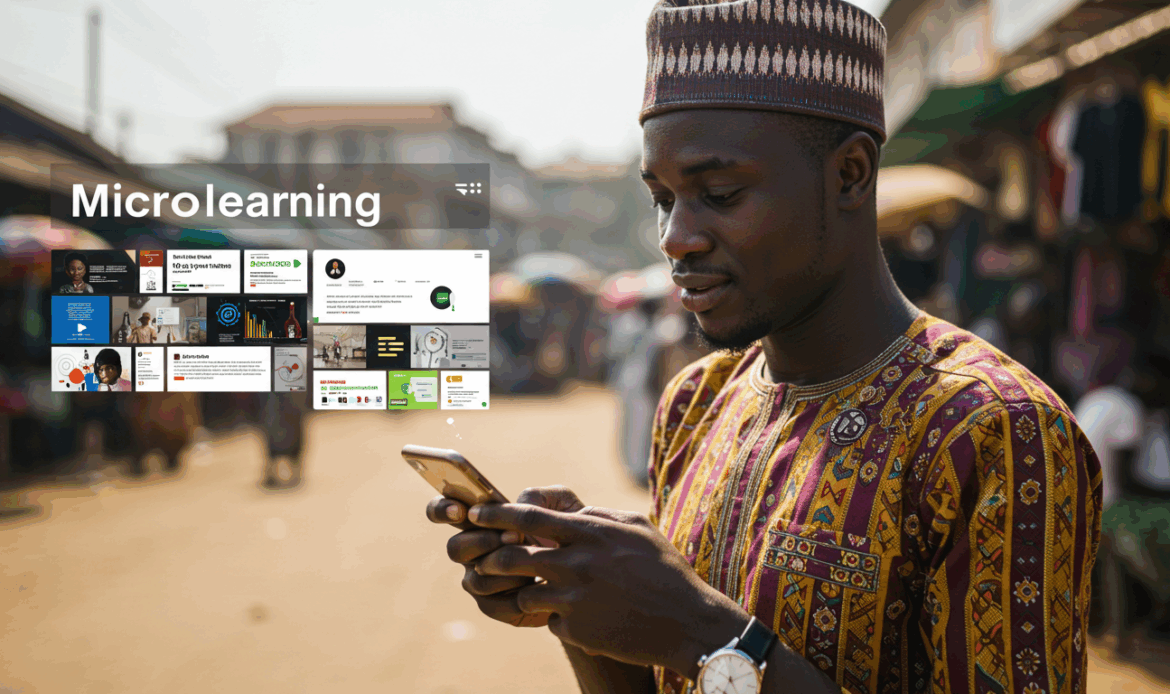
You pick up your phone for a quick five-minute scroll. Suddenly, you’re deep in a rabbit hole—laughing at a TikTok skit, swiping through memes, and somehow ending up on a video of someone peeling yam with a machete. Thirty-five minutes later, your thumb’s sore, and you’re not entirely sure what you just consumed.
We’ve all been there. And often, we walk away from that scroll session feeling guilty. “I could’ve used that time to learn something… do something useful…” But what if your scrolls didn’t have to come with guilt? What if, instead of mindless content, you were actually soaking up mini-lessons that helped you grow?
Here’s the good news: you can turn your screen time into learning time—without deleting your social apps or becoming a productivity robot. Platforms like TikTok, Instagram, and YouTube aren’t just for dance trends and vlogs. With the right approach, they can become microlearning platforms—delivering bite-sized knowledge in scrollable, snackable formats.
Let’s explore how you can train your feed, tweak your habits, and transform your daily scroll into a personal growth tool—one short video at a time.
What Is Microlearning (and Why It Works?)
Microlearning is exactly what it sounds like—learning in small, focused doses. It’s the kind of education that doesn’t require a classroom, a textbook, or even a full 30-minute YouTube video. It’s information served up in tiny, digestible chunks that fit right into your everyday routine. Think of it as the educational equivalent of a TikTok or an Instagram carousel—short, intentional, and straight to the point.
The beauty of microlearning is that it doesn’t demand hours of your time. Instead, it leans into the natural rhythm of how we consume content in today’s world. Most of us already spend several hours a day scrolling through social media. Microlearning says, “Cool—let’s use that time to sneak in something valuable.”
And it’s not just trendy—it’s science-backed. Research shows that when we learn small pieces of information over time and in context, we tend to retain it better. That’s because the brain responds well to repetition, relevance, and engagement—three things social media does exceptionally well when used intentionally. You get exposure to ideas in a way that’s quick, engaging, and easy to recall.
So no, learning doesn’t always have to happen in silence, in front of a laptop, or with a cup of coffee and a planner open. Sometimes, learning sounds like a reel, looks like a carousel, or shows up in a 30-second video that sticks with you all week.
Read: Don’t Just Learn—Document: The Power of Building in Public
Turning Platforms Into Classrooms
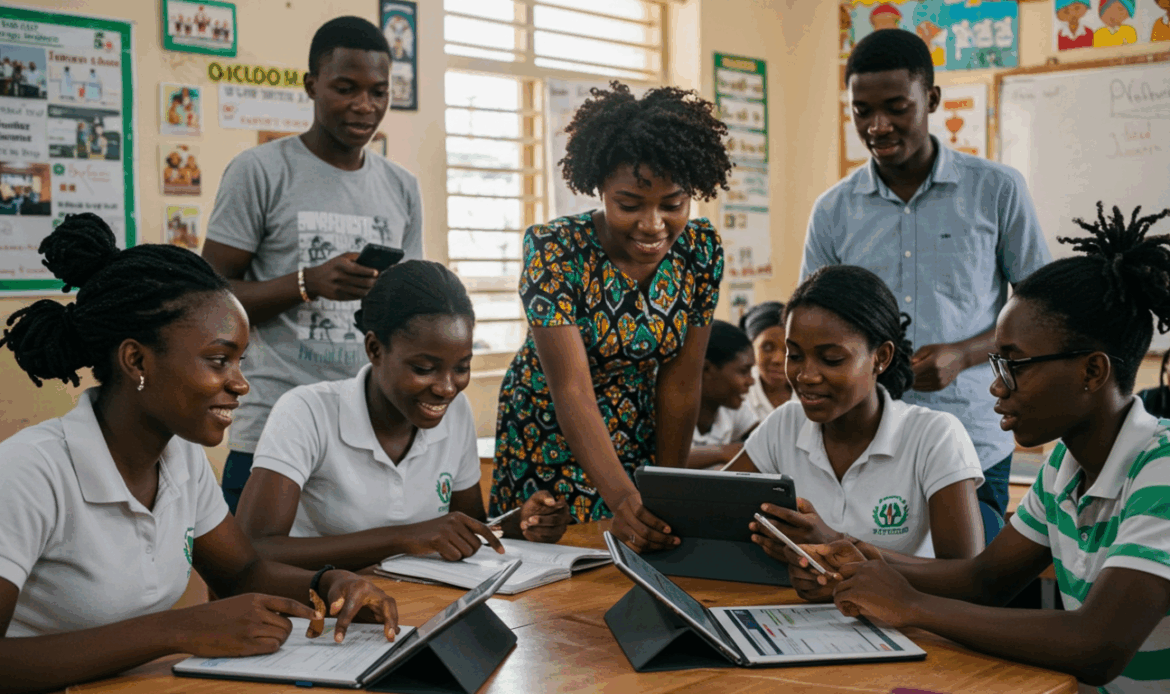
Let’s be honest—our phones go with us everywhere. On the bus. In waiting rooms. During lunch breaks. So what if you stopped seeing your social media apps as time-wasters and started treating them like pocket-sized classrooms?
Take TikTok, for example. It’s not just comedy and dance trends anymore. There’s a fast-growing wave of creators who break down topics like personal finance, mental health, productivity, coding, business, and even emotional intelligence—in under 60 seconds. These creators use visuals, voiceovers, and storytelling to deliver lessons that are clear, memorable, and surprisingly in-depth. And it doesn’t stop with the video. The comment sections often spark valuable conversations, debates, and follow-up questions. Plus, the “Save” feature? That’s your digital notebook. Build your own playlist of videos you can come back to anytime.
Instagram is also stepping up as a learning platform. While it started as a photo app, it now supports deep learning through reels, infographics, and carousels. From career tips to Canva tutorials, IG is filled with bite-sized guides that explain big concepts in clean, creative ways. You can even use the “Highlights” feature to curate your own learning library. Follow pages that focus on industry trends, personal development, or niche interests—and watch how your feed evolves from just pretty pictures to practical insights.
Then there’s YouTube, the OG of online learning. If you’re short on time, YouTube Shorts gives you quick hacks and how-tos in under a minute. But when you’re ready to dive deeper, full-length videos are right there—complete with timestamps, chapters, and comment sections that act like mini study groups. Subscribe to educators and creators who drop content regularly, and you’ll find yourself picking up new skills almost effortlessly.
The secret here isn’t the platform—it’s how you use it. Your scroll can become a study session. Those likes can become bookmarks. Your feed can be your syllabus.
The Golden Rule: Scroll With Intention

We all scroll—but not all scrolling is created equal. The difference between mindless consumption and meaningful microlearning lies in one powerful word: intention.
If you’re going to spend time on social media (and let’s be real, you are), make that time work for you. Start by curating your feed. Follow creators, pages, and thought leaders who speak to your interests or career goals. Whether you’re into tech, writing, personal finance, fashion, or wellness, there’s someone out there breaking it down in 60 seconds or less.
Create folders using Instagram’s “Saved” tab, TikTok’s “Collections,” or YouTube’s “Watch Later.” Label them things like “Career Tips,” “Public Speaking,” or “Money Moves.” These aren’t just digital bookmarks—they’re personalized learning playlists.
Then, be honest with yourself about time. You don’t need an hour. Just 10 to 15 minutes of focused scroll-time daily is enough to plant a new idea, trigger curiosity, or spark action. You can even set a timer if you need boundaries.
And don’t forget to clean up the clutter. If you find yourself doom-scrolling through drama or distracted by too many unrelated posts, it might be time to hit the unfollow or mute button. Social media should inspire and educate, not drain your energy.
Once you start scrolling with purpose, your feed becomes more than entertainment. It becomes a learning partner—one that meets you exactly where you are, in the moments you least expect.
Read: How to Learn Anything Faster with AI (Even If You Procrastinate)
Beyond Scrolling: Apply What You See
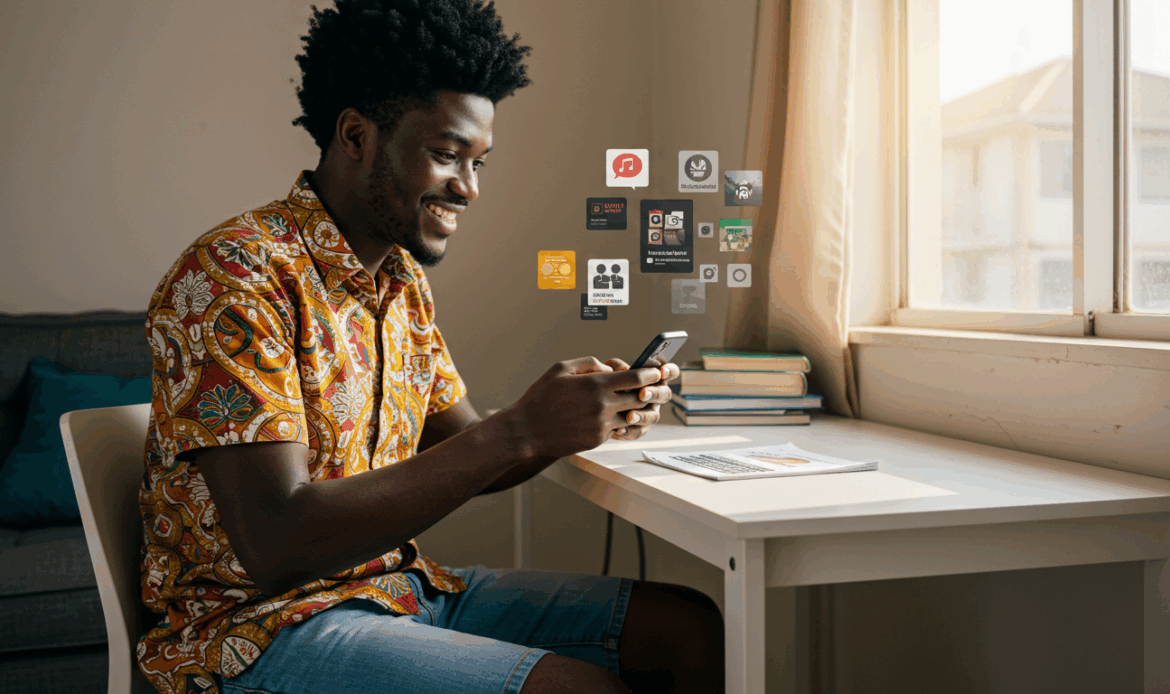
Learning is great, but real transformation happens when you apply what you’ve learned. That’s where most people fall short. We watch a great video, nod in agreement, maybe even save it… and then do nothing with it. The secret to turning microlearning into actual growth? Use it.
Start by keeping a small digital note (on Notion, Google Keep, or your phone’s Notes app) where you log quick lessons you pick up during scroll sessions. Maybe it’s a quote that hits, a career tip that clicks, or a technique you want to try. Don’t overthink it—just capture it.
Then, set a weekly goal: apply at least one thing you learned. Did someone explain a smart way to structure your CV? Try it out. Learned a Canva trick in a reel? Use it for your next presentation. Got a budgeting tip from a finance creator? Implement it this month.
And here’s the kicker—share what you learned. When you post a recap, reflection, or even a screenshot with your takeaway, you not only reinforce the lesson but also start building your personal brand. You position yourself as someone who’s paying attention, learning actively, and willing to grow.
Remember: your feed is full of wisdom. Don’t let it stop at inspiration. Let it move you into action.
Learn Where You Are
Here’s the truth—your phone isn’t the enemy of your growth. In fact, it might just be the most powerful tool in your learning journey if you use it right. You don’t have to give up Instagram or delete TikTok to improve yourself. You just need to show up with intention.
Every scroll is a choice. You can use it to numb your brain—or to sharpen it. You can laugh at a meme and learn something new right after. The key is recognizing that learning doesn’t have to be locked in a classroom or a 12-week course. Sometimes, it’s tucked into a 90-second video that sticks with you for days.
So the next time you open your favourite app, pause and ask: What can I learn from this? Then follow creators who add value, save content that inspires you, apply one new thing each week, and share what resonates with you.
Learning is no longer limited by time, space, or textbooks. It’s already in your pocket—waiting in your scroll.