
Not everyone is a specialist. Some of us are good at writing but not quite authors. Others know how to design, but we’re not branding experts. And many of us sit somewhere in the middle of a few different skills—good, not great. And guess what? That’s not a weakness. It might actually be your biggest advantage.
Welcome to the world of skill stacking—a quiet but powerful strategy that turns your combination of skills into something truly valuable. It’s not about being the best at one thing. It’s about being good enough at a few things—and knowing how to blend them in a way that stands out.
In a world that’s constantly changing, where the job you applied for might look different in six months, skill stacking gives you flexibility, creativity, and a kind of edge you can’t fake. You create a personal toolkit no one else has—and that’s what makes you irreplaceable.
So if you’ve ever felt like your “average” skills don’t matter, think again. When stacked right, they might just be your superpower.
What Is Skill Stacking and Why Does It Matter?
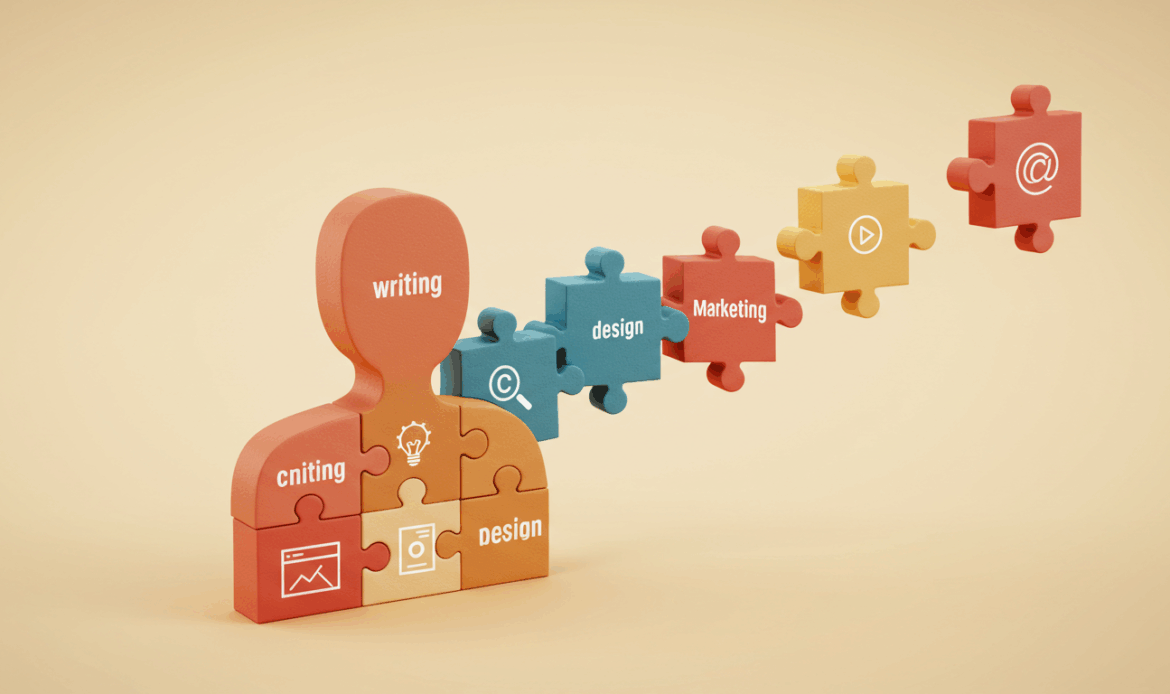
Skill stacking is the art of combining multiple skills—none of which you have to be world-class at—to create a unique advantage in your personal or professional life. It’s less about mastery and more about synergy. You don’t need to be the best graphic designer, the top writer, or a genius at tech. But if you’re decent at all three, and you know how to put them together, you become a rare and valuable asset.
Think of it like this: a person who can build websites is useful. A person who can build websites and write persuasive content and understand branding is in a completely different league. Even though they may not be an expert in any one of those skills individually, the combination makes them far more useful—and in many cases, more marketable—than someone who’s world-class in just one.
In today’s job market, where roles evolve quickly and industries overlap, skill stacking is a vital survival skill. You’re no longer confined to one label. You’re a writer who understands SEO, a lawyer who excels at data visualization, and a customer service representative who’s also skilled in social media.
It matters because versatility is now a valuable currency. Employers, clients, and even collaborators are drawn to individuals who bring multiple perspectives and capabilities to the table. For freelancers or side hustlers, skill stacking opens the door to creating unique service packages that others can’t easily replicate.
You don’t need permission to start stacking—just curiosity and the willingness to learn a little bit of something new, one skill at a time.
Read: How To Monetize What You Already Know
Real-World Examples That Inspire
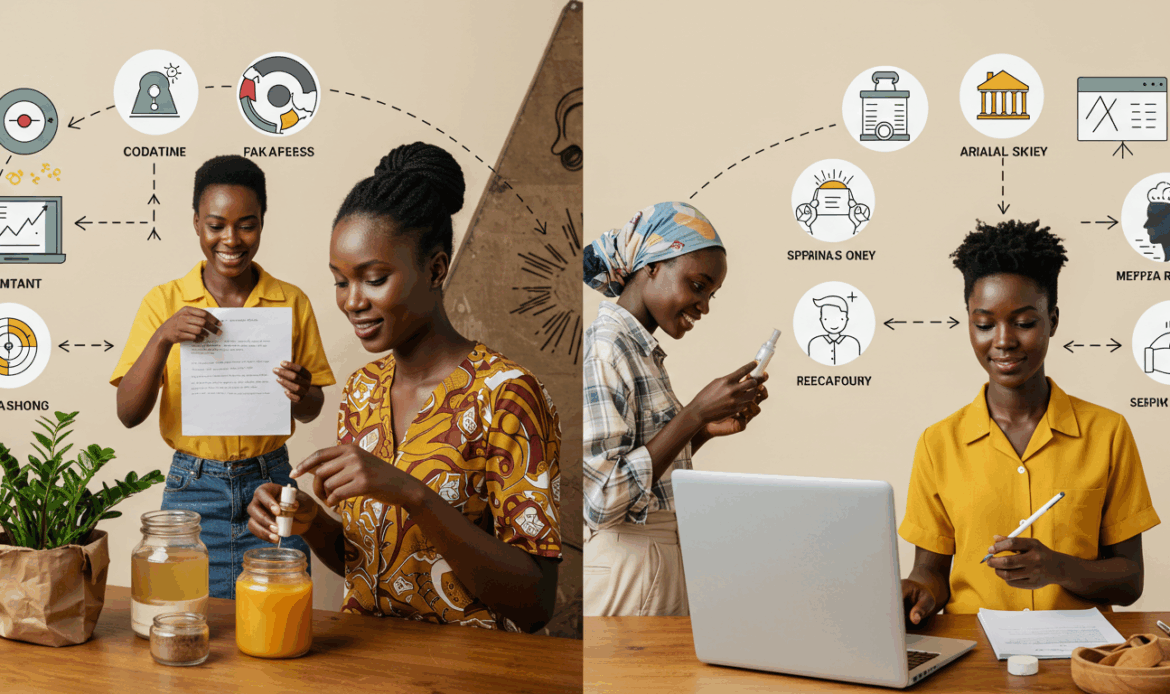
Let’s bring this closer to home. In the Nigerian and African professional space, we’ve seen a surge of individuals who didn’t wait to become “experts” before creating impact—they simply combined what they knew.
Take a content creator who started off posting random thoughts on Twitter. Over time, they picked up graphic design basics, learned how to structure content for engagement, and layered that with social media strategy. Today, they’re not just a creator—they’re a brand consultant with a niche in digital storytelling. None of their skills were exceptional on their own, but together, they built a new lane for themselves.
Or think of the young entrepreneur who studied microbiology but had a knack for product photography and community building. She merged her science background with visual content and digital marketing skills to launch a skincare line that now ships across West Africa. Science, storytelling, and strategy—that’s her stack.
Some developers add UX/UI knowledge to their toolkit, turning them into product thinkers. Writers who learn Canva and become content designers. Teachers who learn voice-over and become online course creators.
And here’s the best part: platforms like YouTube, Instagram Reels, Canva, Coursera, and even ChatGPT have made learning and experimenting with new skills incredibly accessible. The barriers are lower than ever—you can learn video editing in your bedroom and build a personal brand from your phone.
Skill stacking isn’t reserved for Silicon Valley or people with Ivy League degrees. It’s for the Nigerian youth using their phone as a creative studio. The side hustler building a brand after work. The professional reshaping their career by simply asking, “What else can I do with what I already know?”
This approach works—not because it’s flashy, but because it’s flexible. And in today’s world, that’s everything.
How to Identify and Stack Your Skills

Skill stacking begins with a simple shift: looking at what you already know through a fresh lens. Many people assume they don’t have “enough” to work with because their skills feel ordinary or disconnected. But stacking isn’t about having rare abilities—it’s about mixing what you already know in a way that becomes uncommon.
Start by mapping out your current skills—not just your formal qualifications, but also the skills you’ve acquired along the way. Perhaps you’re a marketer with a passion for storytelling, a teacher skilled in design, or a finance analyst who knows how to explain complex numbers in simple terms. Every one of these skills can be part of your professional stack.
Now take it further. What skills come naturally to you, even if they’re “soft”? Are you a great communicator? Do you have a good eye for detail? Can you lead a group project without losing your cool? Soft skills—when combined with technical ones—often create the most powerful stacks.
The next step is experimentation. Try layering two skills together and applying them to a real-world task. For instance, if you’re a designer and you enjoy writing, create a visual thread that teaches a concept. If you’re a data analyst with an interest in video, explain trends in your industry using short-form content. These don’t have to be perfect. The point is to test combinations until something clicks.
You’ll also want to observe patterns. What are people asking you to do often? What do others praise you for—even casually? That feedback can help reveal what parts of your stack are already in demand.
And remember, your stack doesn’t have to be flashy; it just has to be useful. Sometimes, the most powerful career growth comes from stacking clarity, consistency, and communication, or design, business, and empathy.
Eventually, what looks like a random mix of average skills becomes a powerful toolkit no one else has—because no one else is you.
Read: What’s Your Money Personality? (And Why It Matters)
Your Unique Advantage Is Already in You

The truth is, you don’t need to reinvent yourself to be valuable. You simply need to look inward and combine what you already have. Skill stacking isn’t about learning everything under the sun; it’s about making the most of the skills you already possess—and layering them in a way that sets you apart.
In a world where work rules are constantly changing, flexibility is a valuable asset. The best way to stay relevant isn’t just to master one thing—it’s to become the kind of person who can adapt, connect ideas, and offer something distinct. That’s what stacking allows you to do. It permits you to grow sideways, not just upwards.
So instead of waiting to be the best at one thing, ask yourself: What happens when I combine two of my good skills? Or three? What happens when I pair my creativity with strategy, my people skills with data, or my curiosity with consistency?
That’s where your power lies—not in perfection, but in combination. You already have the pieces. Now it’s time to start building something uniquely yours.