
Food has a funny way of reminding us how connected African cultures are. You can cross the Ghana-Nigeria border and still find familiar flavours, ingredients and meals waiting on the other side. The names may change, the preparation may take a different turn, and someone will probably insist their country’s version is better, but the connection remains.
Ghanaian and Nigerian cuisines have plenty in common, thanks to shared West African ingredients, migration, trade and cultural exchanges. From the ever-controversial jollof rice to a plate of akara or koose, these five foods show just how much the two countries have in common.
1. Jollof Rice
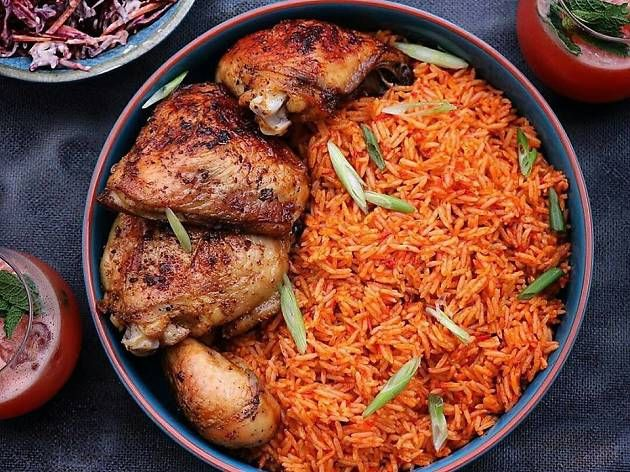
We have to start here.
Jollof rice is one of the most obvious foods shared by Nigerians and Ghanaians, and also one of the quickest ways to start a friendly argument between both countries.
In both cuisines, rice is cooked in a rich tomato and pepper base, usually with onions, spices and other seasonings. The result is a colourful, flavourful dish that can appear at parties, family gatherings, restaurants and ordinary weekend meals.
Of course, Nigerian and Ghanaian jollof have their differences. The type of rice, seasoning and cooking method can vary, and each country has its own idea of what makes a proper plate of jollof. The debate over which version tastes better may never end, but at least both sides agree on one thing: jollof deserves a place at the table.
Read Also: Tasty Ghanaian Dishes You Must Try
2. Fufu
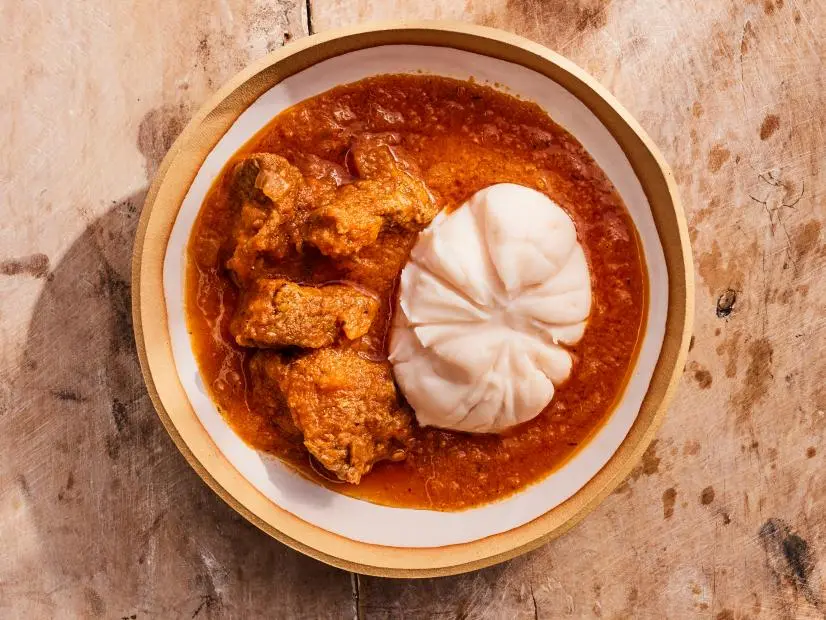
Fufu is another familiar staple across Ghana and Nigeria, although the ingredients and preparation can differ depending on the region.
The dish is made from starchy foods such as cassava, yam or plantain, which are processed and cooked into a smooth, stretchy consistency. It is usually eaten with soup, with diners taking small portions of the fufu and using them to scoop up the accompanying soup.
In Nigeria, you may encounter different varieties of swallow made from cassava, yam or plantain. Ghana also has several forms of fufu, often enjoyed with soups such as light soup or palm nut soup.
The method and texture may vary, but the idea is familiar: a satisfying bowl of soup needs something substantial to go with it.
3. Egusi and Agushi Soup
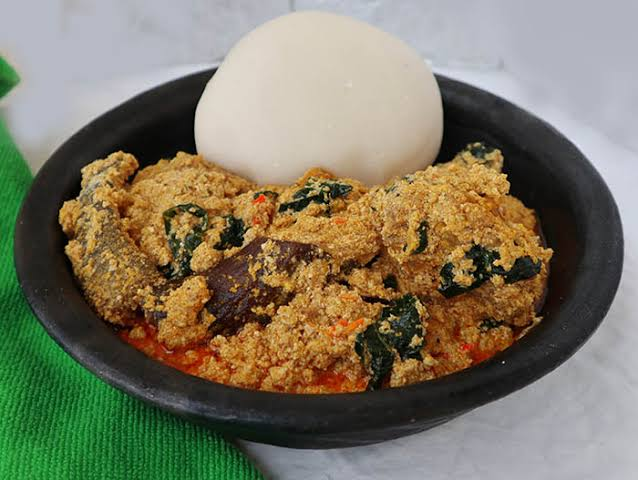
This one proves that even the name can change while the main ingredient stays familiar.
Nigerians know egusi as the ground melon seed used to prepare one of the country’s most popular soups. Ghana has its own version, commonly known as agushi.
The seeds are ground and cooked with ingredients such as palm oil, vegetables, peppers, onions and protein. Different households and regions have their own recipes, so there is no single way to prepare either version.
Whether you call it egusi or agushi, the melon seed brings that distinctive richness that makes the soup especially satisfying with fufu or another swallow.
4. Palm Nut Soup and Banga Soup
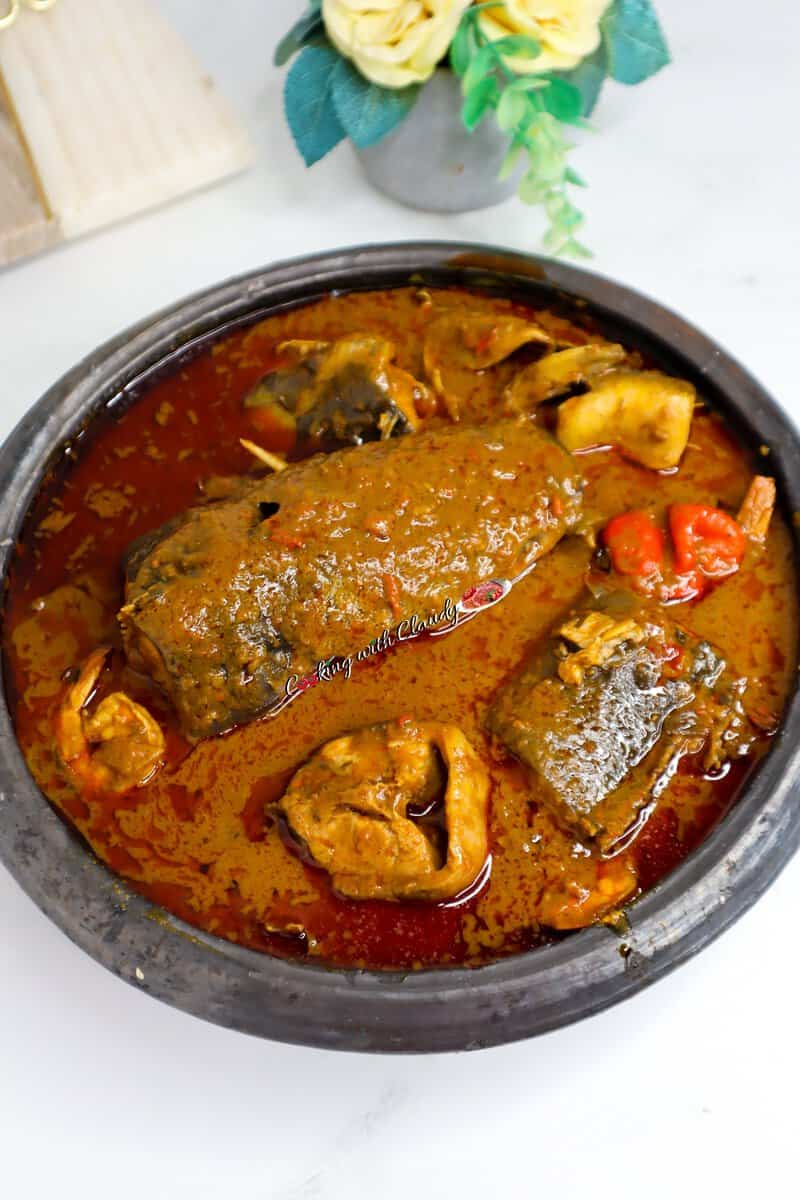
Palm nut soup is another delicious connection between the two countries.
The soup starts with palm fruit, which is processed to extract its rich, reddish-orange liquid. It is then cooked with spices, seasonings and protein to create a hearty soup that pairs beautifully with different starches.
In Nigeria, a closely related dish is widely known as banga soup, particularly in parts of the South-South and South-East. Ghana also has its own palm nut soup traditions, with preparation varying from one community to another.
The names and recipes may differ, but the love for palm fruit runs deep on both sides of the border.
5. Akara and Koose
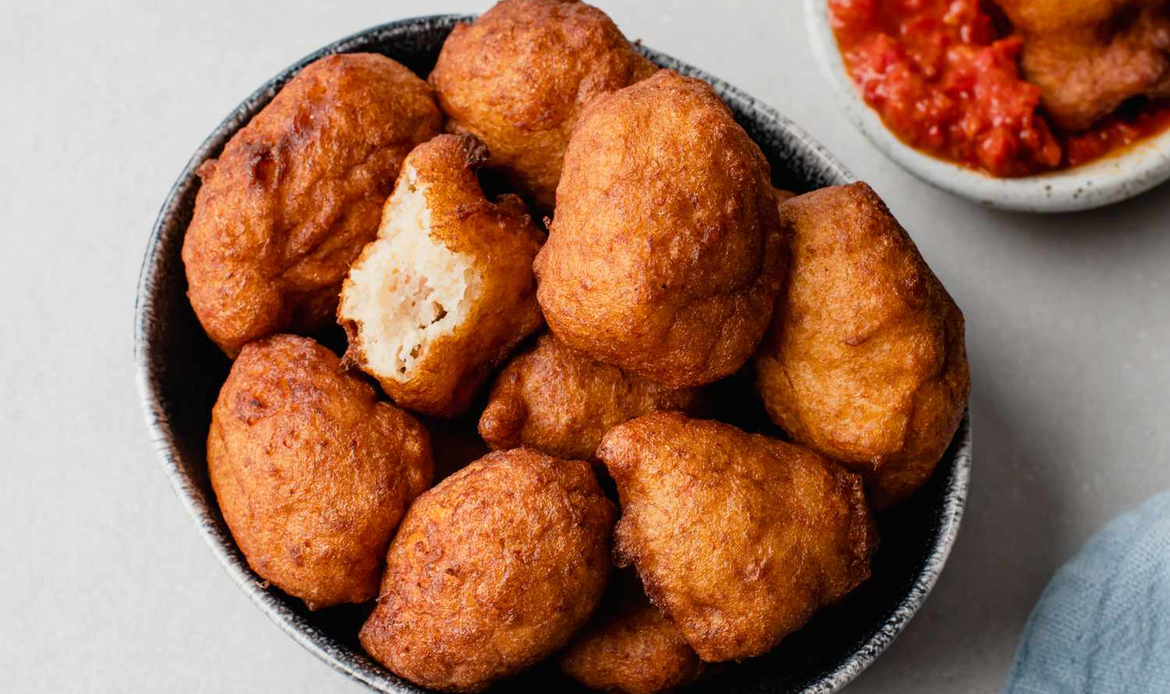
Finally, we have the humble bean cake.
Nigerians call it akara, while Ghanaians commonly call it koose. Both are made by soaking and peeling beans, blending them with ingredients such as pepper and onions, then frying the mixture until it becomes crisp on the outside and soft inside.
Akara can be enjoyed for breakfast, as a snack or alongside pap, bread and other foods. Koose similarly appears as a popular breakfast and street food.
It is one of those foods that proves you do not need an elaborate recipe to create something people will happily queue for.
Read Also: Foods That Help Fight Inflammation
One More Shared Favourite: Waakye
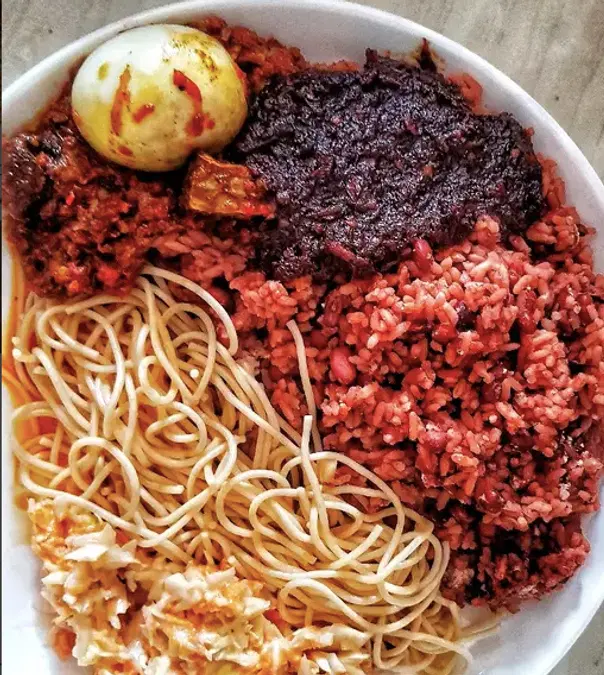
There is another Ghana-Nigeria connection worth mentioning: waakye, also called wanke or wake in some Nigerian contexts.
The dish combines rice and beans and has strong connections to the Hausa phrase shinkafa da wake, meaning rice and beans. Ghanaian waakye is often served with an impressive collection of sides, including shito, stew, boiled eggs, fried plantain and meat or fish.
Different versions exist in Nigeria too, particularly through the wider rice-and-beans tradition.
Ultimately, these foods show that Ghanaian and Nigerian cuisines have plenty of common ground. We may argue about jollof, debate the proper way to eat fufu and give familiar dishes different names, but the love for good food remains remarkably similar.
Which Ghanaian or Nigerian food would you add to this list? Tell us your pick and let the food debate begin.