
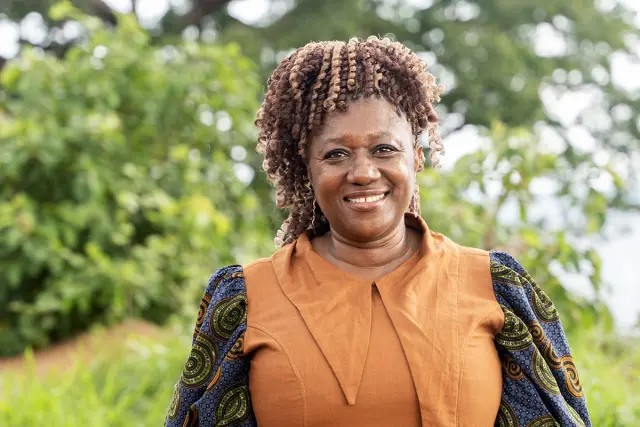
Isata Dumbuya was born in Kono District, in eastern Sierra Leone, a region that would later endure civil war and prolonged strain on its public services. She spent part of her formative years in Sierra Leone and part in the United Kingdom, eventually building a career that spanned continents.
For 25 years, she worked within the National Health Service as a nurse, midwife, and public health specialist. The NHS offered structure, resources, specialist teams, and clear clinical systems. But throughout her time abroad, news from home persisted: Sierra Leone continued to record some of the highest maternal mortality rates in the world.
In 2018, Dumbuya made a decisive move. She returned to Kono, not for a short assignment, but to stay. Her aim was direct: to apply decades of clinical and leadership experience to improve maternal outcomes in the country where she was born.
Read: Isata Dumbuya Named on TIME’s Women of the Year 2026 List
Returning to a Fragile Health System
Dumbuya joined Partners In Health (PIH) Sierra Leone as Head of Nursing and Midwifery, later serving as Director. At the time, PIH was planning a new maternal facility in Kono. While fundraising and construction were underway, she began working at the existing government hospital.
The contrast with the NHS was stark. Equipment was limited. Supply chains were unreliable. Power outages disrupted care. Staff shortages were routine. Although maternal mortality rates had declined from their peak in the 1990s and early 2000s, they remained among the highest globally, more than 40 times higher than what she had encountered in the UK.
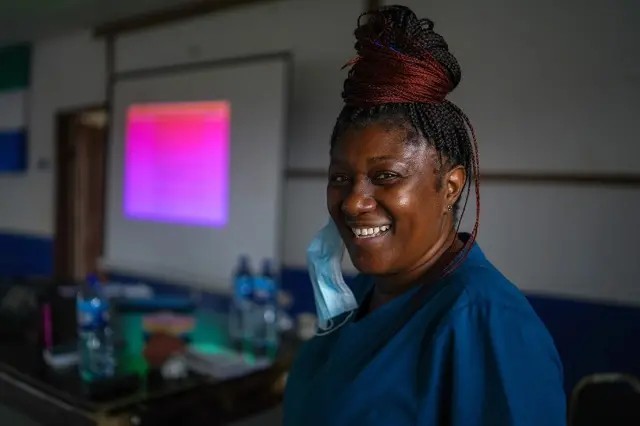
She observed another challenge: normalisation of loss. When preventable deaths occur frequently, systems adapt in troubling ways. Women often delayed hospital visits due to fear or mistrust, sometimes arriving in critical condition after long journeys. Dumbuya recognised that improving outcomes would require more than equipment. It would demand rebuilding systems and confidence simultaneously.
Rebuilding Systems, Restoring Trust
Her approach focused on practical reform. She prioritised training nurses and midwives to recognise early warning signs in pregnancy and to act quickly during obstetric emergencies. She worked to secure essential supplies and standardise procedures, emphasising consistency rather than improvisation.
Some interventions were straightforward but impactful, such as installing clear emergency alert systems within wards. Others required sustained leadership: introducing accountability structures, reinforcing documentation practices, and mentoring staff toward higher clinical standards.
Dumbuya has repeatedly emphasised sustainability. Short-term fixes, she argues, do little in settings with systemic fragility. Instead, she has worked to train and elevate Sierra Leonean clinicians to the highest levels, ensuring that improvements endure beyond individual tenures.
Beyond hospital walls, she engaged traditional birth attendants rather than dismissing them. In communities shaped by war, Ebola, and other crises, trust in formal health systems had eroded. By collaborating with trusted local figures and conducting outreach across Kono’s 14 chiefdoms, she sought to bridge that divide and encourage earlier clinical care.
Read: IWD: Meet Habiba Ali, Giving Clean Energy to Gain Economic Power
The Paul E. Farmer Maternal Centre of Excellence
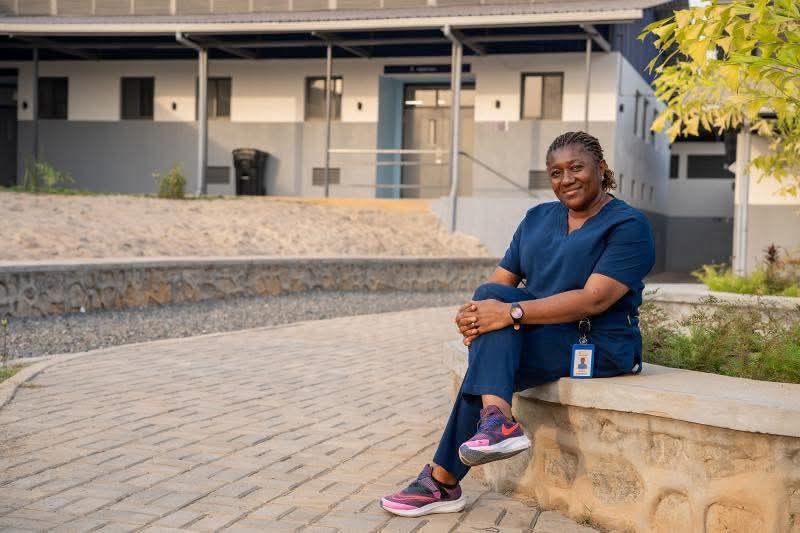
These efforts culminated in the launch of the Paul E. Farmer Maternal Centre of Excellence in February 2026. The 120-bed facility represents a major expansion of maternal and neonatal services in the region. It includes expanded surgical capacity, high-dependency maternity units, and Sierra Leone’s first neonatal intensive care unit (NICU).
For Dumbuya, the centre is more than infrastructure. It is a teaching hospital designed to model high standards of maternal care while training the next generation of Sierra Leonean nurses and midwives.
The opening marked a significant step in reducing preventable maternal and newborn deaths, particularly for rural families who previously lacked access to advanced care. The arrival of the first newborn at the facility symbolised not only a milestone for PIH, but a tangible shift in what is possible within Sierra Leone’s public health landscape.
Global Recognition, Local Commitment
In 2026, Dumbuya was named one of 16 honorees on the TIME Women of the Year list, recognising leaders working toward a more equitable world. She has also been honored as a Heroine of Health by Women in Global Health and recognised as a Global Nurse Executive Fellow.
Despite international recognition, her focus remains local. As a mother of five, she often speaks about leadership in nurturing terms, guiding teams, developing young clinicians, and building systems that grow stronger over time.
Her work in Kono reflects a long-term commitment: strengthening maternal health not through visibility, but through durable systems, trained professionals, and restored trust.
Follow RefinedNG to celebrate Africans making an impact, discover inspiring stories like Isata Dumbuya’s, and stay informed on culture, health, and innovation shaping the continent. Be part of the movement that uplifts African excellence, one story at a time.