
A few years ago, Nigerian students mostly heard the same career advice: study Medicine, Law, Engineering, or Accounting and your future is secure. Today, that conversation has changed fast. Employers are hiring based on digital skills, adaptability, and problem-solving abilities that match modern industries.
The reality is simple. Some degrees now open doors faster because they align with what businesses, governments, and startups urgently need. Across Africa, industries are changing because of AI, fintech, renewable energy, healthcare expansion, and digital transformation.
Here are five of the most useful degrees in 2026 and why they matter more than ever.
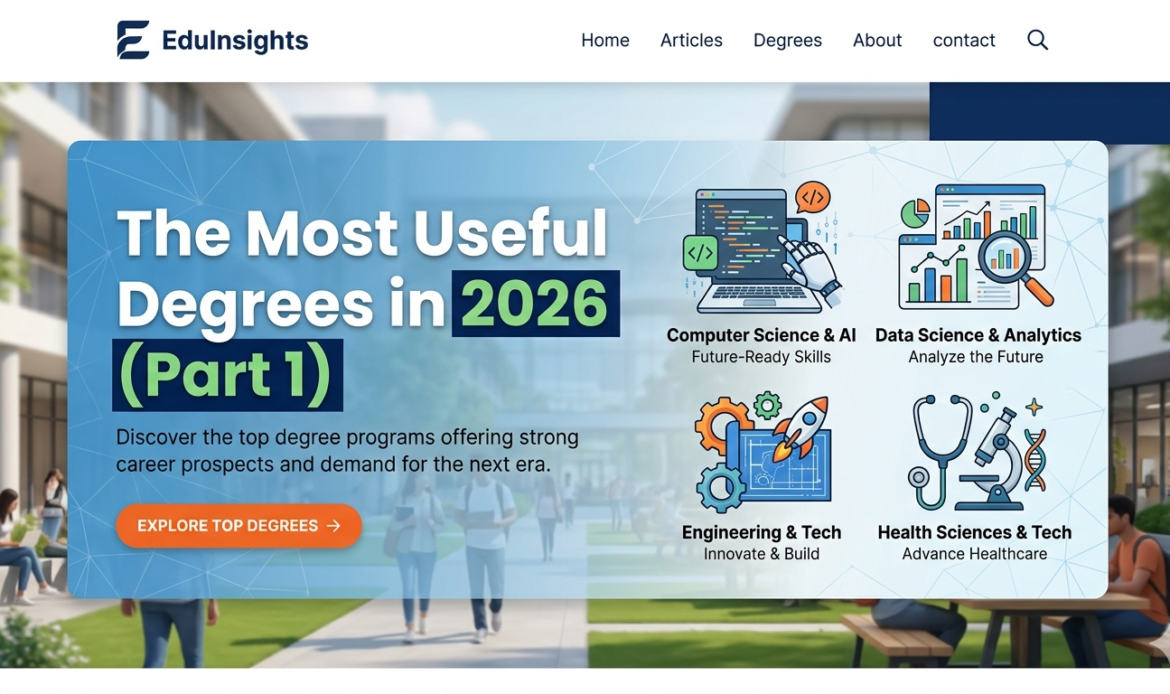
1. Computer Science and Artificial Intelligence
Computer Science has become one of the strongest career choices globally, and Artificial Intelligence is pushing it even further. From banking apps to TikTok algorithms and AI chatbots, technology now powers everyday life.
Students in this field can work as software developers, AI engineers, cloud specialists, product managers, or automation experts. The interesting part is that you no longer need to relocate abroad before getting opportunities. Startups, fintech companies, and international firms now hire remote African tech talent aggressively.
The degree is also flexible. Someone studying Computer Science today can later branch into AI, robotics, cybersecurity, gaming, or even digital product design.
Read: High-Income Skills to Learn in 2026
2. Data Science and Analytics
Every app, transaction, click, and online search produces data. Businesses now depend on people who can interpret that information and turn it into smart decisions.
Data Science combines statistics, technology, and business thinking. Banks use it to detect fraud, hospitals use it to predict patient trends, and e-commerce platforms use it to understand customer behavior. Even football clubs now rely on data analysts. Somewhere right now, data is probably explaining why your favourite striker keeps missing chances.
For African students, this degree has huge advantages because remote opportunities are growing quickly. A skilled data analyst in Lagos can work for companies in Canada, Germany, or South Africa without leaving home. As industries become more data-driven, professionals who understand analytics will remain valuable.
3. Cybersecurity and Information Security
As more businesses move online, cybercrime keeps rising too. From hacked bank accounts to stolen customer information, digital security has become a serious issue worldwide. This is why Cybersecurity is one of the fastest-growing career paths today. Companies need professionals who can protect networks, prevent attacks, and secure sensitive information.
In Nigeria alone, fintech companies, telecom firms, government agencies, and banks continue investing heavily in cybersecurity teams. The demand is growing faster than the supply of qualified experts.
Students in this field can work as ethical hackers, security analysts, digital forensics specialists, or cloud security professionals. It is also one of the few industries where certifications and practical skills can sometimes matter as much as the degree itself.
4. Nursing and Healthcare Degrees
Healthcare remains one of the most stable industries globally. People will always need medical care, and many countries currently face shortages of healthcare professionals.
Nursing has become especially valuable because it offers strong local and international opportunities. Nigerian nurses are increasingly finding pathways into countries like the UK, Canada, and Australia due to rising healthcare demand.
Beyond hospitals, healthcare careers now include telemedicine, mental health support, rehabilitation, elderly care, and health technology services.
One major advantage of healthcare degrees is resilience. While some industries struggle during economic downturns, healthcare workers remain essential. In a world constantly dealing with new health challenges, that stability matters.
Read: Skills You Won’t Learn in the Classroom
5. Renewable Energy and Environmental Engineering
Africa’s energy challenges are creating new opportunities in renewable energy. Solar companies, clean energy startups, and environmental organisations are expanding quickly across the continent.
Countries are investing more in sustainable power solutions because millions still lack reliable electricity access. That means engineers and environmental experts will play important roles in the future economy.
Students in this field may work in solar energy systems, environmental protection, sustainable construction, or energy management. As climate conversations continue globally, green careers are becoming more relevant and profitable.
For students thinking long-term, renewable energy is no longer a “future industry”. It is already happening.
Know Your Options
The best degree right now is not always the most popular one. It is the one that matches future demand, gives you adaptable skills, and creates room for growth in a changing world.
At RefinedNG, we’ll continue exploring careers, opportunities, and industry trends shaping Africa’s future. Stay tuned for Part 2.