
Let’s be honest—when most Nigerians hear “budget,” what comes to mind is an Excel sheet with formulas that need a PhD to decode. Or a mobile app that tracks every kobo you spend on gala and Pure Bliss. For many, budgeting feels like something you’re supposed to do, but never really get around to because… life is happening. Bills don’t wait, black tax is real, and sometimes the only budget that matters is “make it to the end of the month.”
But does budgeting have to be that complicated? What if all the spreadsheets and fancy graphs are overrated? In a country where hustle and unexpected expenses are the norm, maybe it’s time we redefined what budgeting really means—on our own terms.
The Spreadsheet Stereotype: Where We Get It Wrong
Somewhere along the line, budgeting became synonymous with complexity. Rows, columns, conditional formatting, color codes—many assume this is what separates the “financially smart” from everyone else. But here’s the catch: it’s not about the tools, it’s about the clarity. In reality, most Nigerians don’t need elaborate Excel documents to manage their money. What we need is simplicity and honesty.
The spreadsheet myth creates a barrier, making people think they’re not “doing it right” unless it looks a certain way. Meanwhile, a lot of folks are managing money on paper, with voice notes, or simply by calculating in their heads. And truthfully, if that system helps you track your inflows and outflows, prioritize needs over wants, and make better decisions, then it’s working.
What fails most isn’t the absence of spreadsheets—it’s the absence of a consistent, realistic plan. In a place where income is unpredictable and expenses often pop up unannounced, being able to adjust quickly is more valuable than a neatly formatted tab.
Read: 5 Budgeting Myths You Probably Believe… But Shouldn’t
Why Most Nigerians Don’t Budget (And That’s Okay)
Let’s be real—most Nigerians don’t have a budget. And not because we don’t care about our money, but because the way budgeting is taught doesn’t fit our reality. When you earn irregular income, or you support multiple people, or prices change weekly, budgeting feels like a luxury reserved for those with stable paychecks.
Many people try to budget once, using imported methods that don’t take context into account. They download a template, get overwhelmed, and give up. Others avoid it altogether out of fear—if you don’t confront your spending, maybe it’ll hurt less. But that avoidance only adds to financial anxiety, especially when bills pile up or emergencies hit.
What budgeting really needs is a rebrand—something flexible, human, and culturally attuned. It’s okay if you don’t have a monthly breakdown of every naira. It’s okay if you rely on mental math or voice memos. What matters is awareness and intention. You don’t need to be perfect—you just need to be in tune with your money, however that looks.
Budgeting, the Nigerian Way: Simplicity Over Perfection
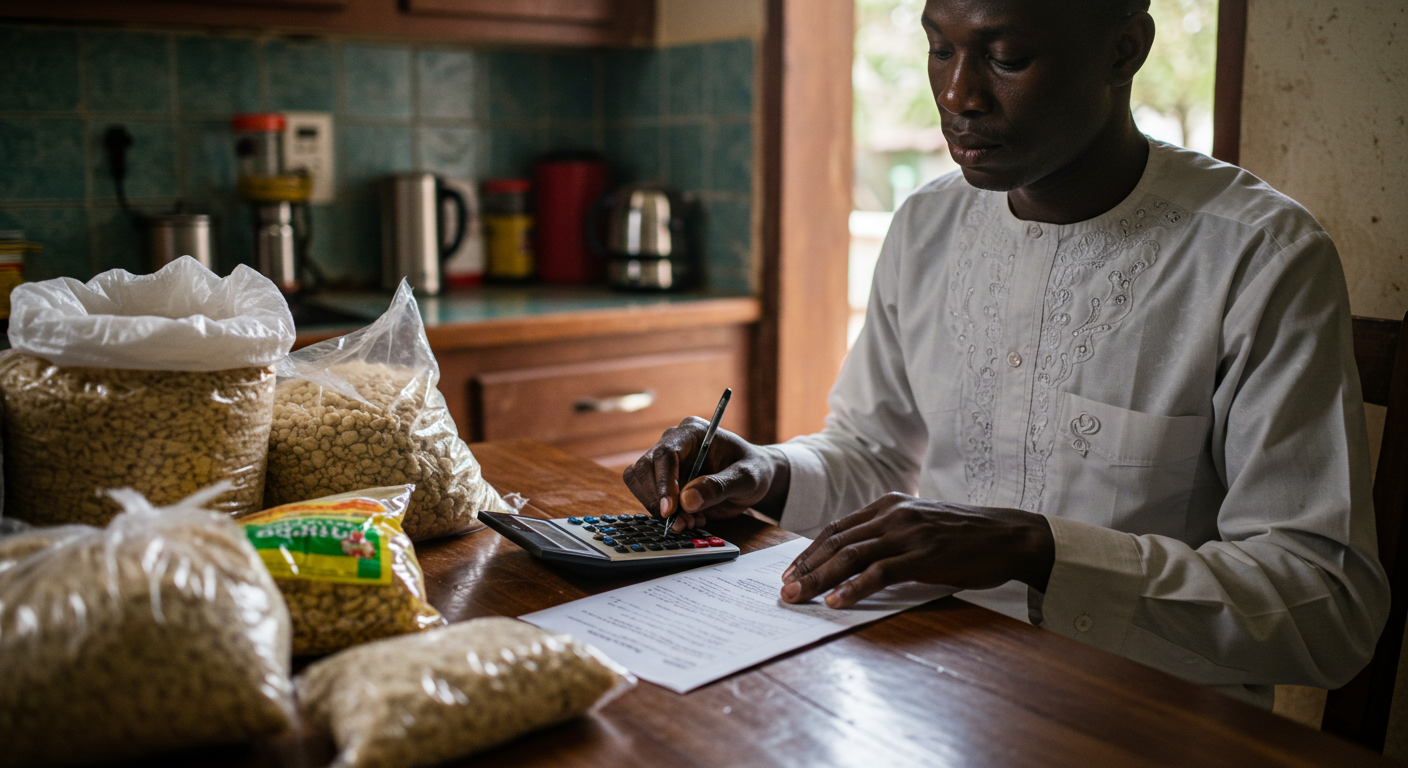
Budgeting doesn’t have to be a 20-tab spreadsheet with complex formulas and color codes. For the average Nigerian, simplicity isn’t just convenient—it’s necessary. When you’re dealing with fluctuating prices, inconsistent income, or shared responsibilities, budgeting should adapt to you, not the other way around.
Start with what’s real. What are your non-negotiables? Transport, feeding, airtime, rent? Write them down. You don’t need an app—your phone’s notes app, a WhatsApp message to yourself, or even a pocket diary can work. What’s important is the habit of tracking and the honesty of the record.
Instead of monthly budgets, think in weeks. Most Nigerians plan week by week, based on salary cycles or business cash flow. If your income is irregular, set a baseline—your minimum expenses—and build from there. Anything above your baseline can go to savings, emergencies, or a soft life treat (we’re not against enjoyment—just mindful enjoyment).
And don’t forget the “Nigerian tax”—the unplanned spending on family, obligations, and cultural events. It’s okay to allocate a soft budget for these, because denying it won’t make it disappear.
Budgeting the Nigerian way is less about perfection and more about consistency. As long as you know where your money is going, and you have a basic plan for what’s coming, you’re already ahead of the game.
Read: You’re Not Broke, You’re Just Undisciplined”: A Soft Guide to Budgeting
The Bottom Line: Budgeting That Fits Your Life
Forget the pressure to be the most organized budgeter in your WhatsApp group. Real financial control isn’t about how pretty your spreadsheet looks—it’s about knowing your money, respecting your limits, and spending with purpose. In a Nigerian economy where anything can happen between sunrise and sunset, flexibility is the real budgeting hack.
If you’re waiting to “get your life together” before you start tracking your spending, you’re missing the point. Budgeting isn’t the final step; it’s the first one. You don’t need a money guru or an expensive app. You just need a system that works for you, your goals, and your lifestyle. Whether that’s jotting figures on paper, budgeting by mental notes, or using a budgeting app tailored for Naija life—what matters is that you start.
Your budget doesn’t have to impress anyone but you. So ditch the myth of fancy spreadsheets and start with what feels doable. Track. Adjust. Repeat. Because money isn’t magic—it’s math, mindset, and movement.
Ready to stop overthinking and start budgeting in a way that fits you? Let’s get practical at RefinedNG. Follow us for more real-life finance guides.