
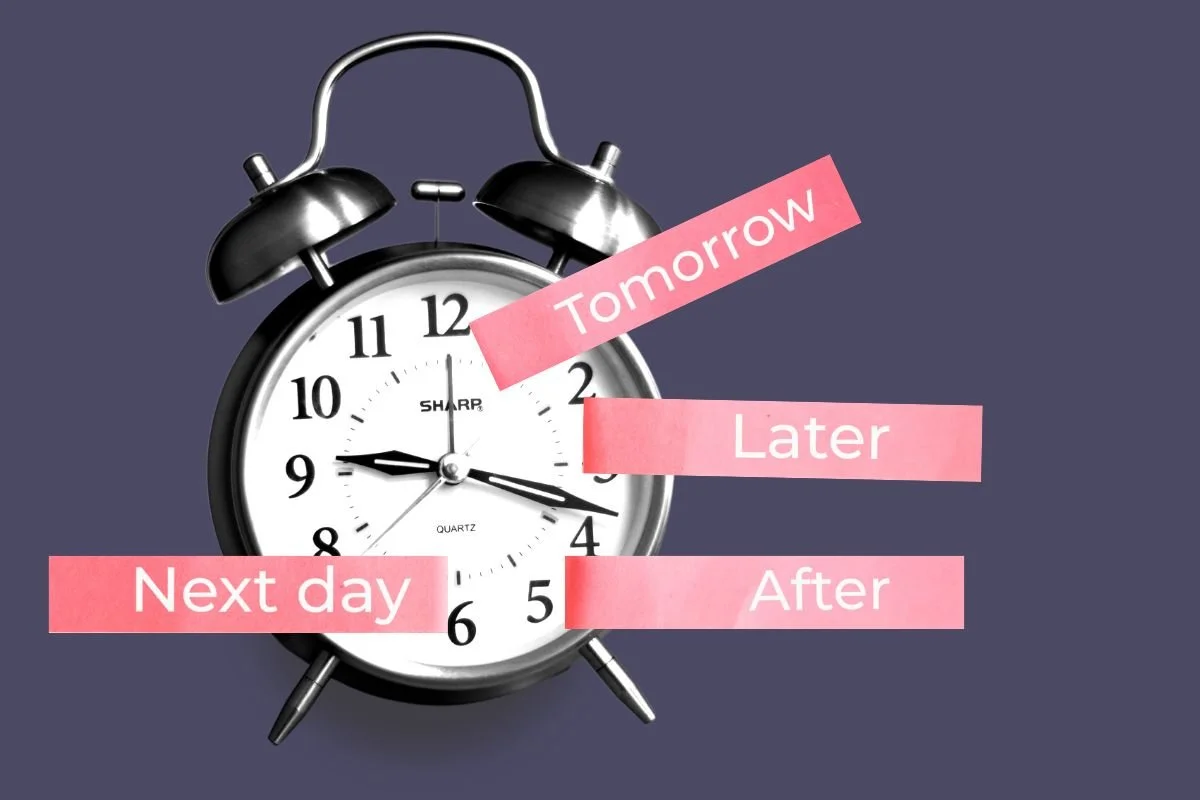
You know that moment when salary drops, and you promise yourself, “This month, I’ll start saving.” But after sorting bills, black tax, data, transport, and that one impulsive shawarma run, you whisper, “Abeg, next month go better.” Fast-forward, and months turn into years—with no emergency fund, no investments, and the same financial anxiety chasing you. This is the sneaky grip of procrastination. It rarely announces itself with drama—it just delays your good intentions until opportunities quietly slip away.
The truth is, waiting to “balance” before making money moves keeps you stuck in the same cycle. Procrastination is not laziness; it’s a costly habit that eats into your future. But here’s the good news: once you see it for what it is, you can outsmart it. This article will show you how to break the delay trap and start building financial discipline today.
The Subtle Ways Procrastination Sneaks into Your Finances
In Nigeria, procrastination with money doesn’t always look like laziness—it often looks like survival. You tell yourself, “I’ll start budgeting next month,” or “Let me just enjoy this soft life for now; I’ll save when I earn more.” At first, these excuses sound harmless. But in reality, they quietly chip away at your financial foundation. Before you know it, weeks turn into months, and months into years, with no real progress to show.
The danger lies in the compounding effect of delays. Every time you postpone saving, that’s one more month your money isn’t growing. Each time you hold off on investing, you’re missing out on opportunities that could have multiplied your wealth. Even little acts of procrastination, like failing to track your spending, create blind spots that lead to unplanned expenses and that familiar end-of-month panic.
And let’s be real—the Nigerian context makes procrastination feel justified. Inflation keeps climbing, meaning your ₦5,000 today won’t buy the same bag of rice next month. Family obligations—aka black tax—can swallow whatever little cushion you build. Emergencies arrive uninvited, from sudden hospital runs to generator repairs. It’s easy to believe that pausing financial planning is sensible when life feels overwhelming. But that’s the trap: procrastination disguises itself as self-preservation when, in truth, it’s silently keeping you stuck.
The first step toward financial clarity is recognizing procrastination for what it is—a thief dressed in excuses. The sooner you catch it sneaking in, the sooner you can block the leaks and redirect your energy toward intentional growth.
The Real Cost of Delaying Financial Decisions

On the surface, waiting until “things settle” before taking financial action feels reasonable. But in reality, procrastination costs more than most people realize. Every time you delay, you’re quietly losing money, opportunities, and peace of mind.
Take compounding interest, for example. Money grows best with time, and the earlier you start, the bigger the rewards. If you invest ₦10,000 today in a low-risk fund that grows steadily, that money begins multiplying immediately. But if you keep postponing until “next month,” then another month slips by where your money could have been working for you. Multiply that delay by a year, or even five, and you’ve lost not just thousands of naira, but the momentum that could have made wealth-building easier.
Then there’s inflation—the silent enemy of idle cash. In Nigeria, prices climb faster than your bank balance. Leaving money in a savings account or, worse, spending it because “I’ll replace it later,” means that ₦10,000 won’t buy the same basket of goods next month. Waiting, in this case, literally makes your money smaller.
Opportunities also don’t wait. That side hustle idea, that mutual fund, that small land purchase—all can slip away while you hesitate. Someone else takes the slot, the prices rise, or the conditions change. And beyond the numbers, procrastination carries an emotional tax: the stress of always feeling behind, the guilt of missed chances, and the anxiety of knowing you could do better but didn’t.
Financial procrastination isn’t neutral; it’s expensive. Every delay is a hidden withdrawal from your future. The question isn’t whether you can afford to start now—the question is whether you can afford to keep waiting.
Read: Are You Financially Toxic? Let’s Talk Habits That Keep You Broke
Why We Procrastinate With Money
If procrastination were simply about laziness, beating it would be easy. But the truth runs deeper—it’s often psychological. Many people stall because of fear of failure: “What if I invest and lose everything?” Others hide behind perfectionism, telling themselves, “Let me research a little more before I start,” while months pass with no action. For some, procrastination is about avoiding discomfort. Facing debt, admitting poor spending habits, or acknowledging financial gaps can feel overwhelming—so we push it aside for another day.

In Nigeria, this habit has extra fuel. The “urgent bills first” mentality keeps many people trapped in a cycle where today’s expenses always outrun tomorrow’s plans. Add peer pressure—friends who seem to be “chopping life” on Instagram—and suddenly, saving or investing feels less urgent than keeping up appearances. On top of that, distrust of financial systems makes hesitation easier. Stories of failed cooperatives, collapsed banks, and shady investment schemes create doubt, making some prefer to do nothing rather than risk it.
How to Beat Financial Procrastination
The good news is that procrastination isn’t permanent—you can break the cycle with small, intentional steps. The key is to shift from waiting for the “perfect” moment to acting in the present, even if it feels tiny.
Start small.
You don’t need to begin with millions; even ₦1,000 a week, automated into a savings app, builds momentum. The consistency matters more than the amount, because habits compound just like money does. By automating, you remove the chance of overthinking or forgetting. Over time, those “small” amounts grow into a meaningful safety net.
Set deadlines for your financial moves.
Instead of vaguely promising yourself, “I’ll open an investment account soon,” give it a date: “By Friday, I’ll set up my mutual fund.” Deadlines create urgency and help you treat money tasks like real appointments you can’t miss.
Accountability
Accountability also makes a difference. Join a money circle, tell a trusted friend about your savings goal, or become part of a financial community. When others know your goals, you’re more likely to stick to them.
Most importantly, change how you think about progress. Stop waiting for a lump sum before you start. Progress over perfection means it’s better to save ₦2,000 consistently than to keep delaying until you “earn more.” Pair this with habit stacking—tie your money moves to existing routines. For example, each time you buy data, transfer ₦500 into savings. Each time you get paid, invest before spending.
Beating financial procrastination isn’t about sudden big leaps—it’s about small, repeatable actions. When you take the first step today, your future self will thank you tomorrow.
The tricky part is that procrastination often dresses itself in good excuses. “I’ll save when my income increases,” sounds logical, yet habits don’t change with higher pay—they start with discipline, even in small amounts. By rationalizing delays, we convince ourselves we’re being cautious, when in reality we’re avoiding growth.
Procrastination isn’t a lack of knowledge; it’s a shield we use to dodge action. Until we call it out, it will continue quietly stealing from our financial future.
Read: What’s Your Money Personality? (And Why It Matters)
Tomorrow Starts Today
Procrastination is more than just a delay—it’s costing you peace, wealth, and opportunities that could change your life. The truth is, every small step you take today is worth more than the perfect step you keep postponing. Whether it’s saving ₦1,000, setting up an expense tracker, or finally opening that mutual fund, the important thing is to begin.
At RefinedNG, we’re here to walk this journey with you. Our mission is to make financial growth practical, relatable, and sustainable—so you don’t just survive, you thrive. Follow RefinedNG across all platforms and subscribe to our newsletter for weekly insights on money, growth, and all things positive.
Your financial future is too important to leave for “tomorrow.” Start today. Start small. But most importantly—just start.