
When people talk about Africa, the conversation often begins and ends with clichés—safaris, savannahs, and stereotypes. But this vast continent, home to over 1.4 billion people and more than 50 countries, is filled with history, geography, and innovation that will surprise even the most curious minds.
Did you know that Sudan has more pyramids than Egypt? Or that one African countries is entirely above 1,000 meters in elevation? Whether you’re a trivia nerd, a travel junkie, or just someone eager to see the continent beyond the headlines, these 10 surprising facts will challenge what you think you know. Let’s dive in.
1. Sudan Has More Pyramids Than Egypt
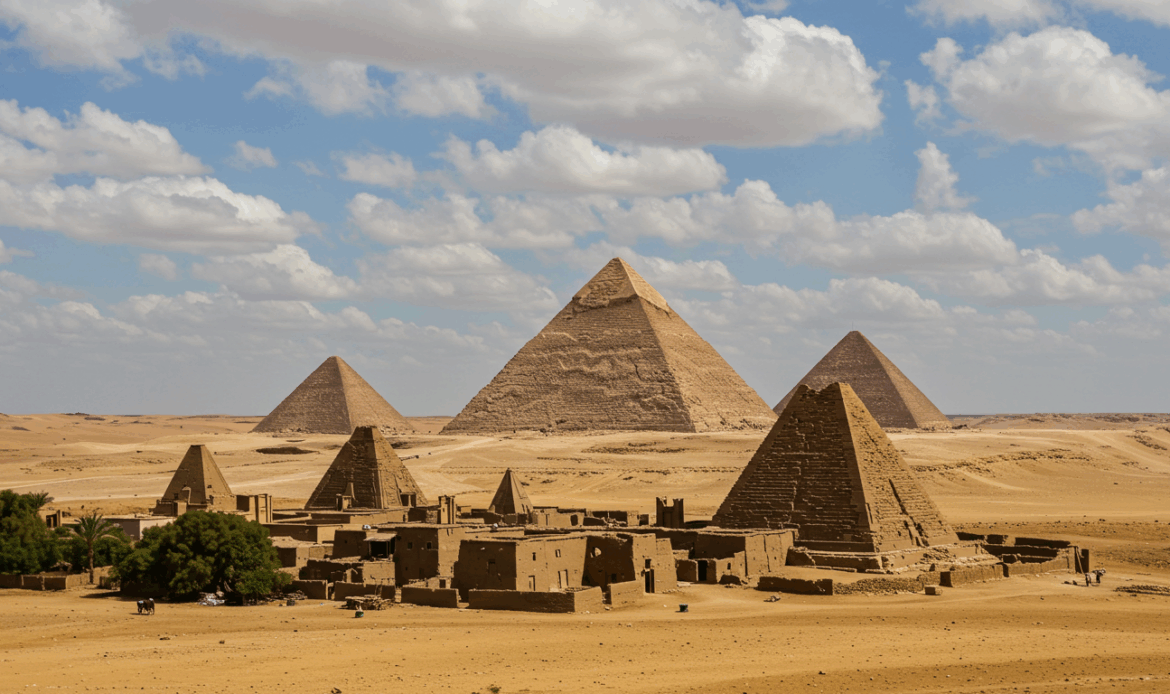
Yes, really. While Egypt gets all the global fame for its iconic pyramids, Sudan actually has more—over 200 of them. These are the Nubian pyramids, built by the rulers of the ancient Kingdom of Kush, which once rivaled Egypt in wealth, culture, and architectural grandeur. Though smaller and steeper than Egypt’s, they served the same purpose: royal tombs that now quietly rise from the desert sands of Meroë. For lovers of ancient history, Sudan offers a lesser-known but equally awe-inspiring pyramid experience—without the tourist crowds.
2. Lesotho Is Entirely Above 1,000 Meters in Elevation
Known as the “Kingdom in the Sky,” Lesotho is the only independent country in the world that lies entirely above 1,000 meters (3,281 feet) in elevation. Its lowest point is higher than the highest point in many countries. This unique geography gives Lesotho some of Africa’s most dramatic mountain landscapes, complete with snowy winters, alpine passes, and roaring waterfalls. While small in size, the country’s towering altitude has shaped everything from its climate to its cultural isolation—and it’s a paradise for hikers and adventure seekers.
Read: Best Times to Visit Different Regions in Africa
3. Nigeria’s Nollywood Is the World’s Second-Largest Film Industry
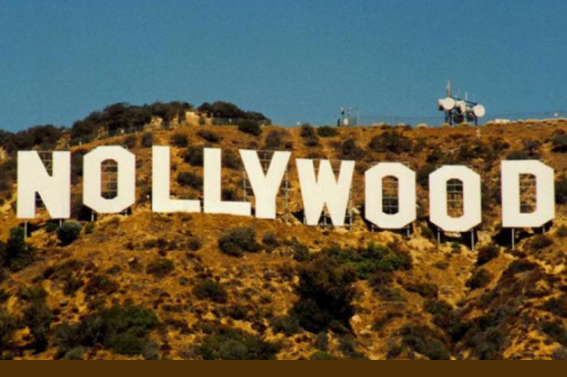
When we think of major film industries, Hollywood and Bollywood usually top the list. But Nollywood, Nigeria’s prolific film machine, ranks second globally in terms of number of movies produced annually.
Each year, Nollywood churns out over 2,000 films, telling stories that reflect African realities—love, politics, tradition, faith, and daily life. It’s a cultural powerhouse and a major employer, estimated to be worth billions. Nollywood isn’t just entertaining—it’s redefining African storytelling on a global scale, with growing influence on Netflix and other streaming platforms.
4. Lake Malawi Has the Most Fish Species of Any Lake on Earth
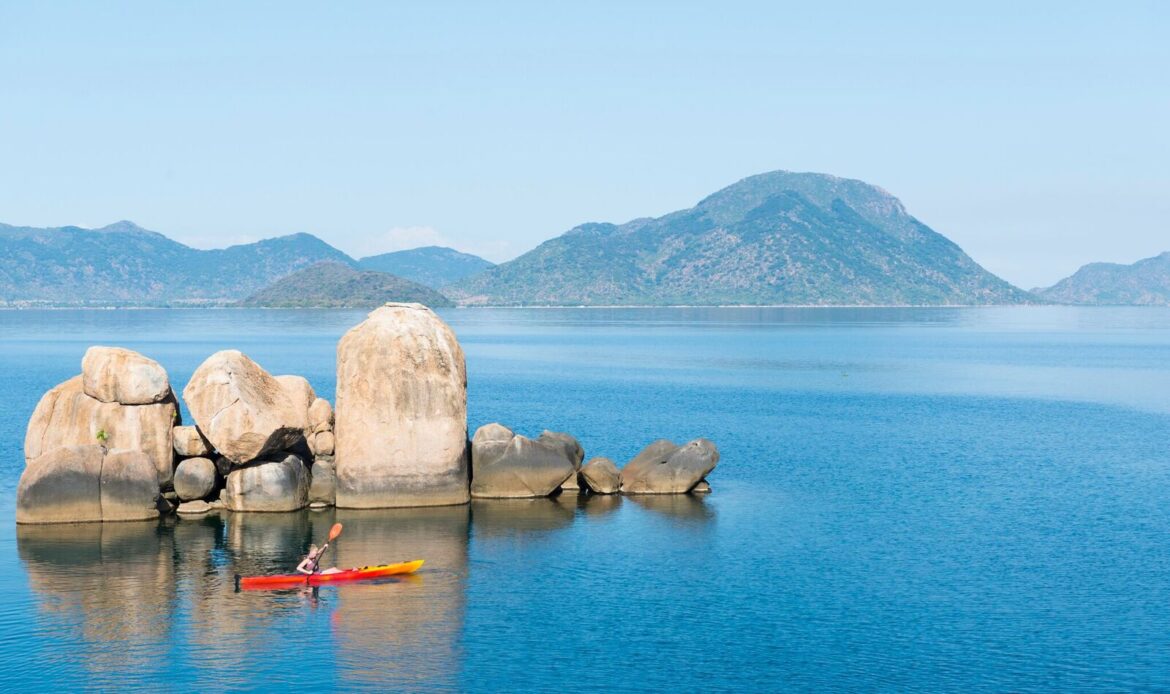
If biodiversity had a capital, Lake Malawi would be a strong contender. Located between Malawi, Mozambique, and Tanzania, this ancient lake is home to more species of freshwater fish than any other lake in the world—over 1,000 documented, many of them found nowhere else on the planet. Most of these are colorful cichlids, prized by aquarium lovers globally. But beyond aesthetics, the lake is a vital food source, economic engine, and ecological treasure. It’s a living laboratory of evolution and a natural wonder that still surprises scientists today.
5. Ethiopia Was Never Colonized
During the colonial scramble for Africa, Ethiopia stood alone. Apart from a brief Italian occupation under Mussolini in the 1930s (which Ethiopians fiercely resisted), the country was never colonized—a remarkable exception on a continent that was largely carved up by European powers. The defining moment came in 1896 at the Battle of Adwa, where Ethiopian forces decisively defeated the Italians. Ethiopia’s unbroken sovereignty became a symbol of Black resistance and pride, inspiring Pan-African movements around the world. It remains a unique chapter in global history—a nation that kept its flag flying while others lost theirs.
6. Algeria Is Africa’s Largest Country
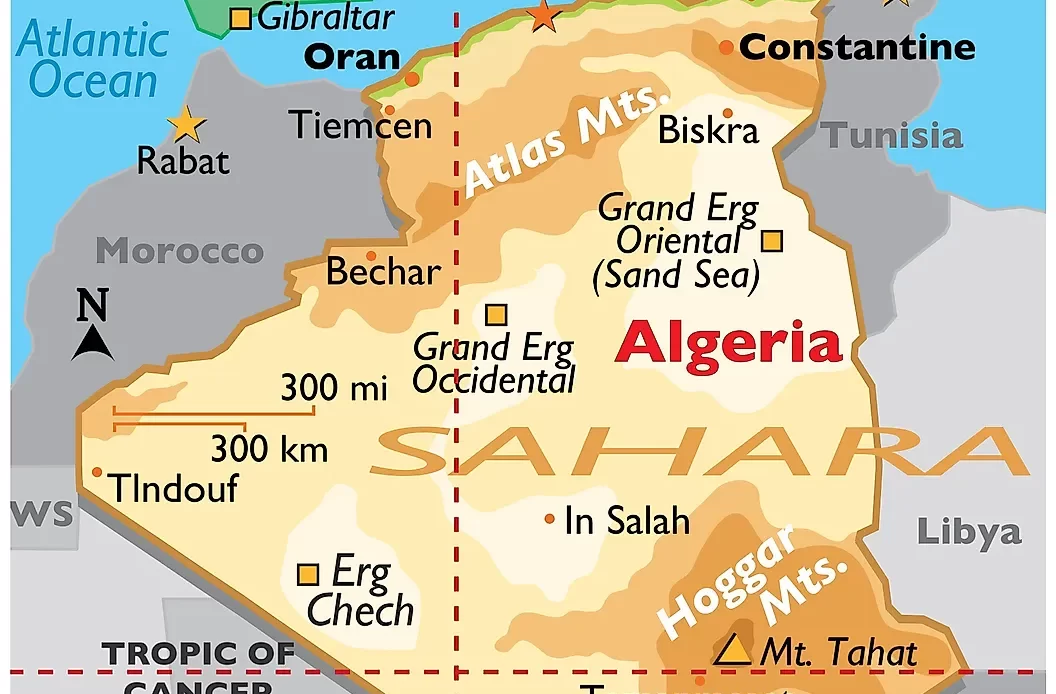
When we think of Africa’s biggest nations, Nigeria or Egypt often come to mind due to their large populations. But by land area, the crown goes to Algeria—the largest country in Africa and the 10th largest in the world. Much of Algeria is dominated by the Sahara Desert, yet its landscape is incredibly diverse: Mediterranean coastlines, snow-capped mountains, ancient Roman ruins, and sweeping sand dunes. Its sheer size and geographic variety make Algeria both a natural giant and a cultural crossroads between Arab, Berber, and French influences.
7. The Sahara Is Not the World’s Largest Desert — Antarctica Is
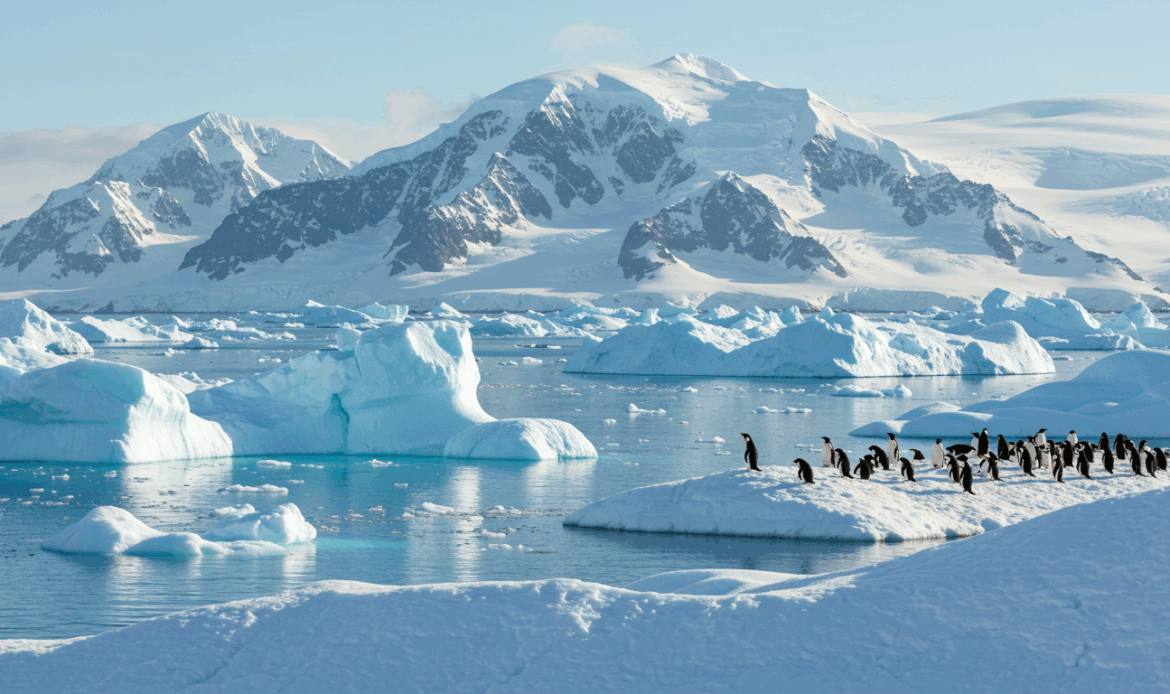
When most people hear “desert,” they think heat, sand, and sun — and naturally, the Sahara springs to mind. While the Sahara is indeed the largest hot desert in the world, the largest desert overall is actually Antarctica. The confusion lies in the definition: a desert isn’t defined by temperature, but by lack of precipitation. So, yes, Antarctica is technically the driest, windiest desert on Earth. Still, the Sahara is vast and mighty, stretching across 11 African countries and deeply influencing the climate, culture, and history of the entire northern region of the continent.
8. South Africa Has Three Capital Cities
That’s not a typo. South Africa is the only country in the world with three official capital cities—each with a different role in the government:
- Pretoria: Executive capital (the seat of the President)
- Cape Town: Legislative capital (where Parliament convenes)
- Bloemfontein: Judicial capital (home to the Supreme Court of Appeal
This unique system reflects South Africa’s historical compromises and administrative structure post-apartheid. It’s a rare arrangement that highlights the country’s complex political landscape and commitment to regional balance.
Read: 11 Tasty African Dishes You Should Try This Weekend
9. Gambia Follows The Shape of a River
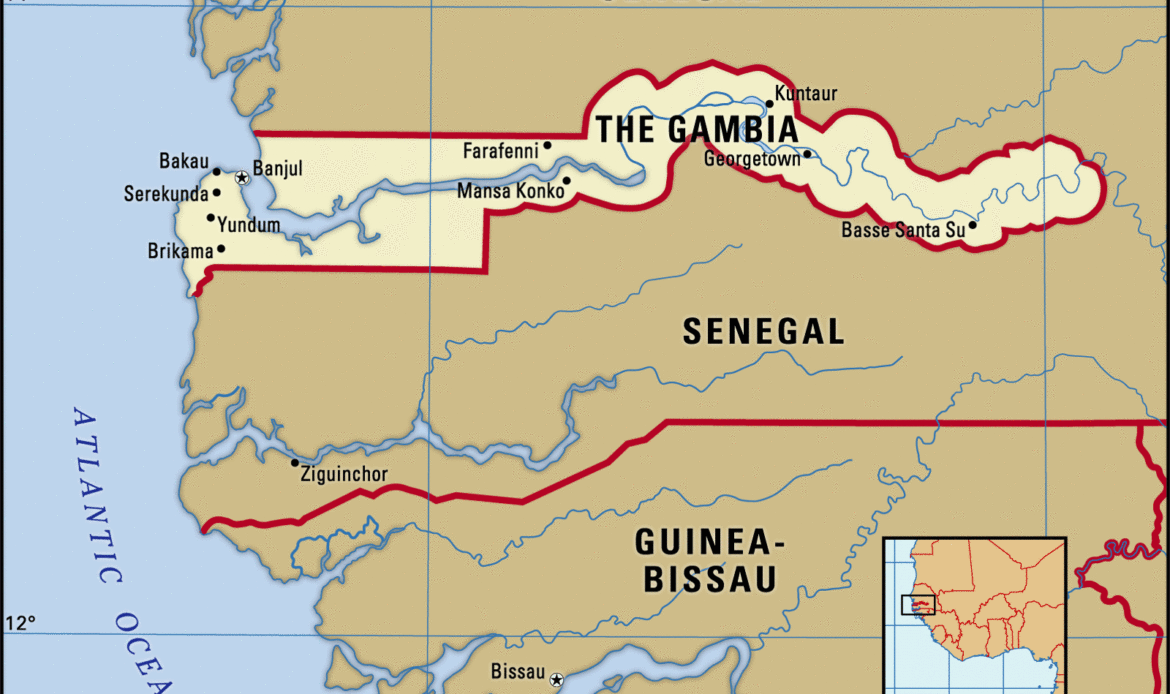
Look at a map of The Gambia, and you’ll notice something strange—it looks like a ribbon. That’s because the country is essentially a narrow strip of land that wraps around the Gambia River, stretching just 30 miles wide at its broadest point. This unusual shape is a colonial legacy from British control of the river, and it makes The Gambia one of the most uniquely shaped countries in the world. The river isn’t just a landmark—it’s the country’s lifeline, supporting agriculture, fishing, and transport.
10. Africa Has the Youngest Population in the World
With over 60% of its population under the age of 25, Africa is the youngest continent on the planet. In countries like Niger, Uganda, and Angola, the median age is under 16. This is more than a statistic — it’s a demographic superpower. Africa’s youth represent an explosion of potential in tech, culture, politics, and entrepreneurship. While challenges like unemployment and education gaps persist, this youthful energy is increasingly shaping global conversations on innovation, climate, and social change.
Africa, Redefined
From snow-covered mountains in Lesotho to underwater treasure troves in Malawi, from ancient empires to modern movie powerhouses—Africa is full of stories that defy expectations. These ten facts barely scratch the surface, but they remind us of one thing: Africa isn’t just a continent of survival—it’s a continent of surprise, strength, and unstoppable momentum. So next time you talk about Africa, think beyond headlines. Think pyramids in Sudan, think three capitals in one country, think of the world’s youngest minds ready to shape tomorrow.