
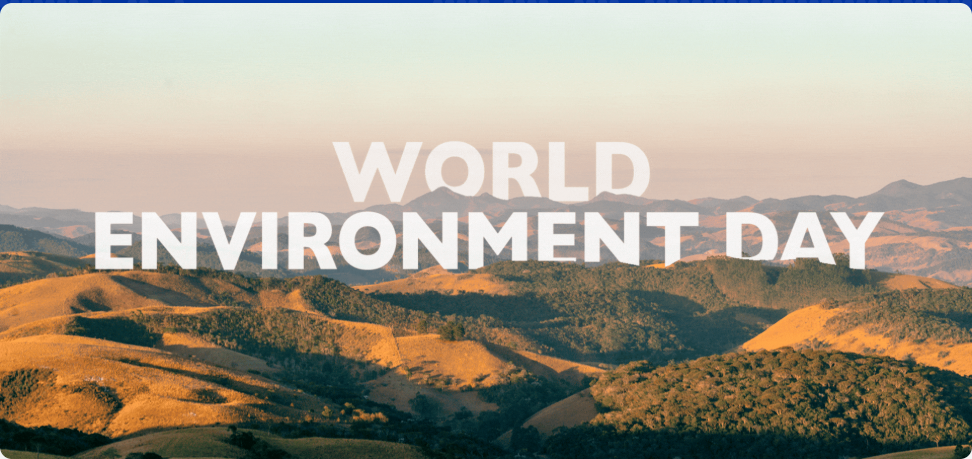
Every year on June 5, millions of people around the world mark World Environment Day, a global initiative dedicated to protecting the planet we all share. This year’s theme, Climate Action, serves as a reminder that environmental challenges are no longer distant concerns.
The good news is that caring for the environment does not always require large-scale projects or government interventions. Some of the most effective actions begin with ordinary people making better choices every day. Whether you live in Lagos, Nairobi, Accra, Johannesburg, or a small rural community, your actions can contribute to a cleaner, healthier, and more sustainable future.
Start With Your Waste: Small Habits, Big Impact
One of the easiest ways to care for the environment is by managing waste responsibly. Across many African cities, improper waste disposal remains a major challenge. Plastic bottles, food packaging, and household waste often end up blocking drainage systems, contributing to flooding during rainy seasons.
A simple habit like separating recyclable materials from general waste can make a difference. Reusing containers, carrying reusable shopping bags, and reducing dependence on single-use plastics can significantly reduce the amount of waste sent to landfills.
It may not feel like much when you choose a reusable water bottle over a disposable one, but imagine millions of people making the same choice every day. Environmental change often begins with collective small actions rather than one grand gesture.
Read: How Joseph Nguthiru Built HyaPak from an Environmental Challenge
Save Energy and Water Without Spending More Money
Many people assume environmental protection is expensive, but some of the most effective actions actually save money.
Turning off lights when leaving a room, unplugging electronics that are not in use, and making use of natural daylight can help reduce energy consumption. These habits lower electricity bills while also reducing demand on power generation systems.
Water conservation is equally important. Fixing leaking taps, taking shorter showers, and avoiding unnecessary water wastage help preserve one of our most valuable natural resources. In regions where water shortages are becoming increasingly common, every litre saved matters.
Think of it this way: a dripping tap may seem harmless, but over time it can waste thousands of litres of water.
Choose Greener Ways to Move Around
Transportation is one of the major contributors to greenhouse gas emissions worldwide. While not everyone can switch to an electric vehicle, there are still practical ways to reduce environmental impact.
Walking short distances instead of driving, using public transportation, sharing rides with colleagues, or cycling when possible can help reduce fuel consumption and emissions. These choices also reduce traffic congestion and improve air quality in busy urban areas.
In many African communities, walking has always been a normal part of daily life. Sometimes the most sustainable solutions are not new inventions but practices that people have relied on for generations.
Support Sustainable Living Through Everyday Choices
The products we buy and the food we eat have a direct impact on the environment. Supporting local farmers and businesses helps reduce the environmental costs associated with transporting goods over long distances.
Choosing fresh, locally grown produce whenever possible can contribute to a more sustainable food system. Reducing food waste is equally important. Many households throw away edible food simply because meals are poorly planned or leftovers are ignored.
Consumers also have the power to support businesses that prioritise environmentally friendly practices. Every purchase is, in a way, a vote for the kind of world we want to live in.
Read: Nigeria’s Iroro Tanshi Bags 2026 Goldman Environmental Prize
Build a Culture of Environmental Responsibility
Environmental protection becomes more powerful when communities work together. Schools, religious organisations, workplaces, and neighbourhood associations all have a role to play in promoting environmental awareness.
Planting trees, participating in community cleanups, educating children about sustainability, and encouraging responsible habits among friends and family can create lasting change. When people see environmental care as a shared responsibility rather than someone else’s job, progress becomes possible.
The Future Depends on What We Do Today
World Environment Day is more than a date on the calendar. It is an opportunity to reflect on how our daily choices shape the world around us. Protecting the environment does not require perfection. It requires consistency.
A cleaner street, a recycled bottle, a planted tree, or a conscious decision to save water may seem small in isolation. Combined across communities and countries, these actions become a powerful force for change.
How are you contributing to a cleaner and healthier environment? Share your eco-friendly habits in the comments and let us know what Climate Action means to you. Follow RefinedNG for more stories, insights, and practical ideas that inspire positive change across Africa.