
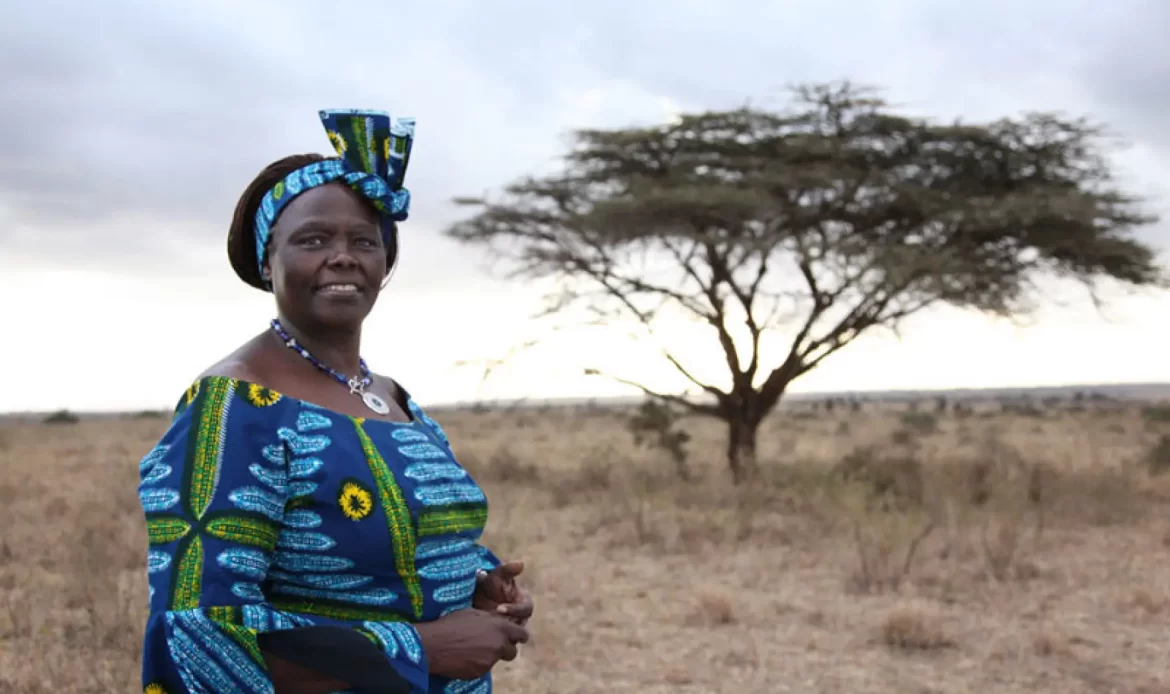
The Nobel Peace Prize recognizes individuals who take courageous actions that reshape lives, nations, and futures, making it one of the world’s most prestigious honors. In over a century of the award’s history, few Africans have received it. Fewer still have been women. But in 2004, Wangari Maathai changed that.
Wangari Maathai, a professor, environmentalist, and activist from Kenya, became the first African woman to win the Nobel Peace Prize. Her recognition wasn’t for leading armies or signing treaties. It was for planting trees—and through them, planting the seeds of justice, empowerment, and environmental renewal.
This wasn’t a symbolic win. It was a statement: that peace can start from the ground up. That sustainability, dignity, and women’s voices matter in shaping a better world. This is the story of a woman who didn’t just speak for change—she grew it, one tree at a time.
Read: Olugbenga Agboola Built More Than a Unicorn
From Rural Kenya to Global Classrooms
Wangari Maathai’s story began in the lush highlands of rural Kenya, in a small village called Ihithe. Raised in a farming community, she grew up closely connected to the land—a bond that would later define her life’s mission. Even as a young girl, her sharp intellect stood out. She excelled in school and earned a place at Loreto High School, one of Kenya’s top institutions for girls.
Then came a life-changing opportunity: Maathai was selected for the historic Kennedy Airlift, a program that sent promising East African students to study in the U.S. She earned her bachelor’s degree in Kansas, her master’s in Pittsburgh, and eventually returned home to make history—becoming the first woman in East and Central Africa to earn a PhD.
For Wangari, education wasn’t just about personal achievement. It was power. It gave her the tools, the voice, and the courage to challenge injustice—and to begin planting the roots of real change.
The Spark: Why She Started Planting Trees
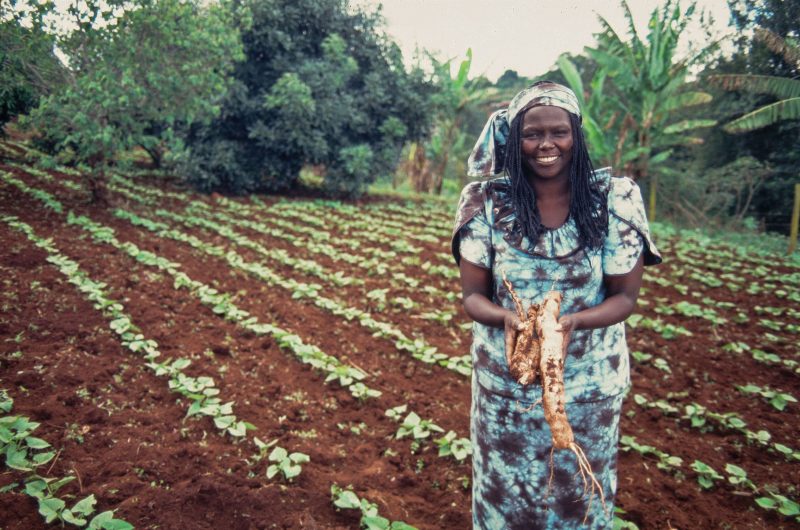
While teaching veterinary anatomy in Nairobi, Wangari Maathai began noticing a troubling pattern—eroded soils, drying rivers, and women walking farther just to fetch firewood. Her academic background helped her connect the dots: land degradation, deforestation, and the marginalization of rural women weren’t separate issues—they were deeply intertwined.
She had a bold, elegant solution: trees.
In 1977, she launched the Green Belt Movement, starting with a simple idea—women could plant trees to restore the land, protect water sources, and earn a small income. The first seedlings were planted by rural women with no formal training, only hope and callused hands.
But this was never just about trees. It was about reclaiming agency, about women taking back power over their environment and futures. What began as environmental work quietly became a political act of resistance—a green army rising against environmental destruction and social injustice.
One seed, one tree, one woman at a time—Wangari sparked a movement that would grow across continents.
When Planting Trees Became a Protest
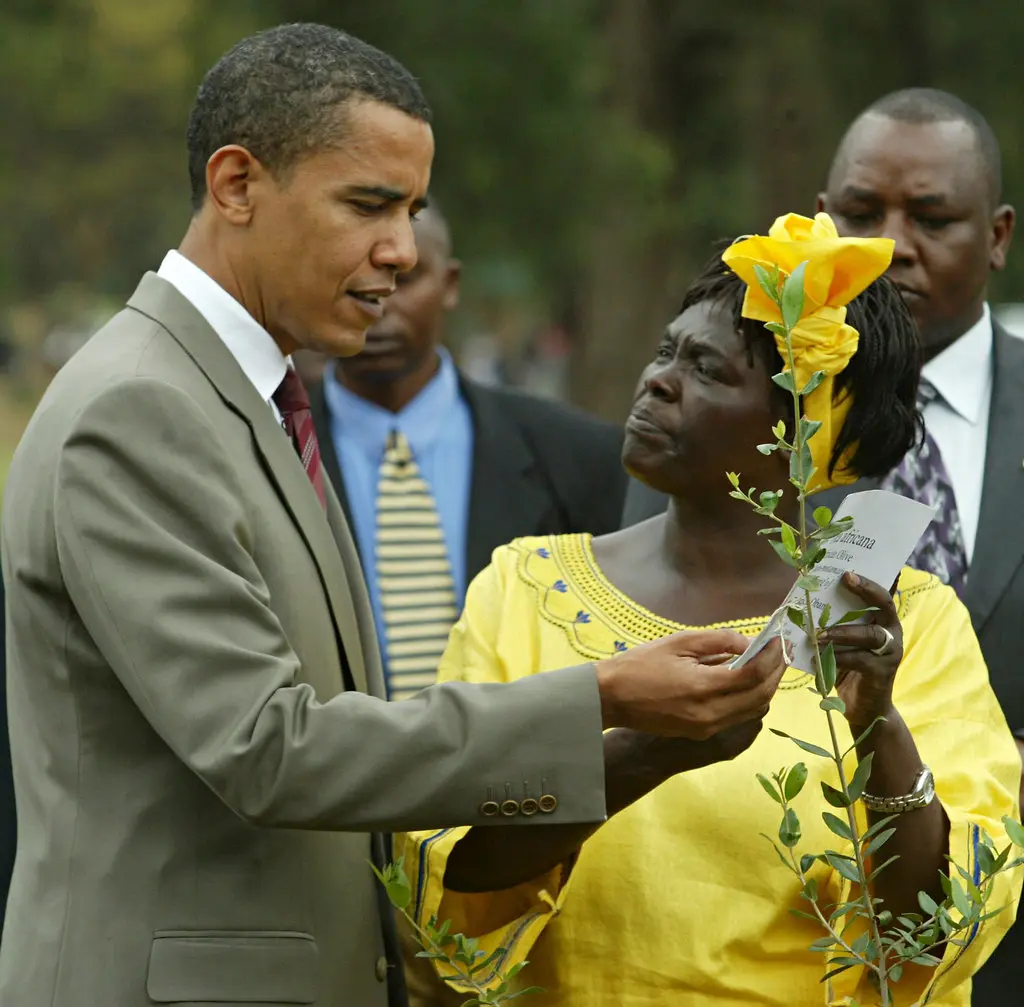
Wangari Maathai believed that trees weren’t just for shade—they were symbols of justice, ownership, and future generations. So when the Kenyan government planned to hand over public forests and green spaces like Karura Forest and Uhuru Park to private developers and political elites, Maathai refused to stay silent.
She spoke out—firmly, publicly, and without apology.
In response, she was labeled “mad,” ridiculed in Parliament, physically assaulted, and jailed. At one protest, she was beaten unconscious by police while defending a public park. But for Wangari, silence wasn’t an option. She had seen what silence cost—eroded land, silenced women, fading futures.
So she fought back—with seedlings and protests, with science and spirit.
Her environmental work became a gateway to deeper activism. She spoke for women, democracy, and freedom. Karura Forest wasn’t just trees—it was a line in the sand. Uhuru Park wasn’t just green space—it was a green battleground.
And through it all, Wangari stood tall—rooted, unshaken, and growing stronger.
Read: The Legacy of Nigeria’s Adire Queen: Chief Nike Davies-Okundaye
Global Recognition, Local Impact
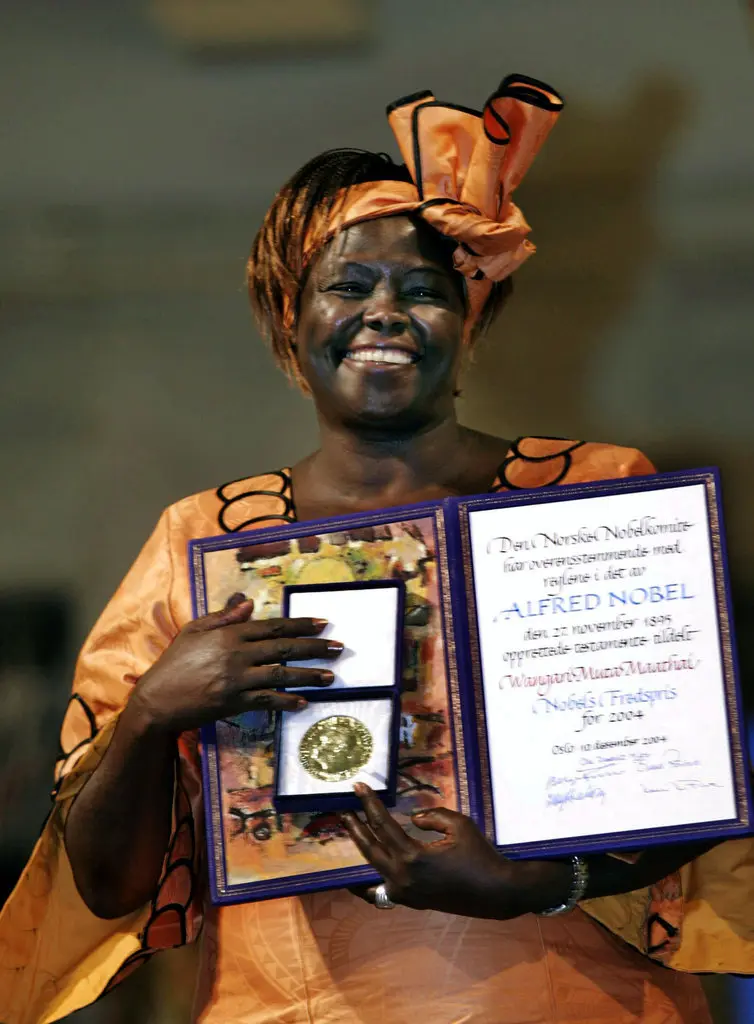
Even as Wangari Maathai’s name echoed through global halls—from the United Nations to the Nobel stage—she never walked away from the grassroots. Her legacy wasn’t about fanfare; it was about footsteps in the soil.
By 2004, the Green Belt Movement had planted over 30 million trees across Kenya and beyond. But the real roots ran deeper—in the lives of the women she empowered, the land restored, and the civic courage she inspired.
That same year, she made history as the first African woman to win the Nobel Peace Prize, honored for her work in “sustainable development, democracy, and peace.” The award didn’t change her mission—it amplified it.
Wangari used that platform not to rest, but to speak louder, dig deeper, and plant further—from rural villages to international summits. Whether advocating for environmental policy or training local women, her work stayed grounded.
Because for her, peace always started with people—and a seed.
Legacy That Keeps Growing
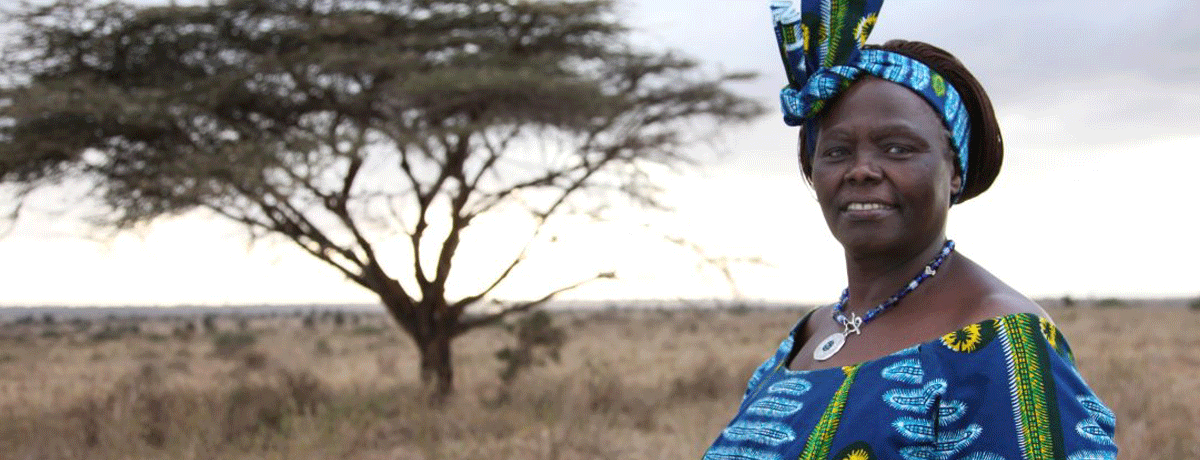
Wangari Maathai didn’t just leave behind awards—she left behind a living legacy. After receiving the Nobel, she founded the Wangari Maathai Institute for Peace and Environmental Studies, creating a hub for research, leadership, and civic action rooted in sustainability.
Her vision sparked movements across the globe. From the UN’s Billion Tree Campaign to women-led conservation efforts on every continent, Maathai’s influence grew far beyond Kenya’s borders. Today, streets, gardens, schools, and even forests bear her name—from Nairobi to Pittsburgh—serving as daily reminders of what one woman’s courage can grow.
And at the heart of it all, her philosophy endures:
“When we plant trees, we plant the seeds of peace and hope.”
Wangari Maathai taught Africa—and the world—that environmental justice, gender equity, and democracy are deeply intertwined. She may be gone, but her roots run deep.
Because the seeds she planted are still rising.