
Earlier this May, a cluster of hantavirus infections was confirmed among passengers aboard the cruise ship MV Hondius, which had departed Argentina in March 2026 heading for the Canary Islands via Cabo Verde. Health authorities across multiple countries are actively responding.
If you have been seeing the word “hantavirus” in your feed and want to understand what it actually is, what the risks are, and what you should do, this is what you need to know.
What Hantavirus Actually Is
Hantavirus is not new. It is a group of viruses carried naturally by rodents: rats, mice, and other small mammals, that can occasionally be transmitted to humans. The virus does not make the rodents themselves sick, but when it crosses into humans, it can cause serious and sometimes fatal illness.
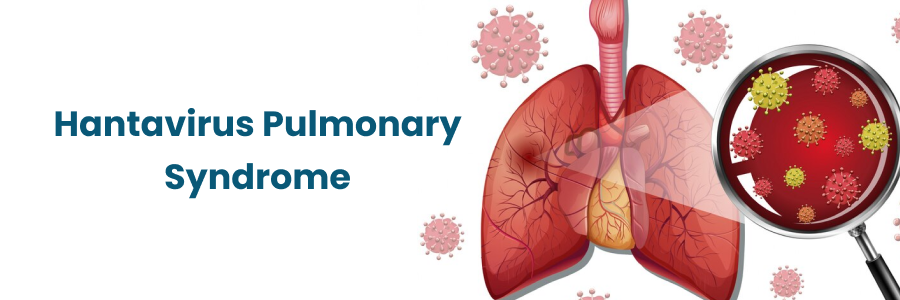
There are two main types of disease caused by hantavirus, depending on geography. In the Americas, it causes Hantavirus Cardiopulmonary Syndrome, known as HCPS, a severe respiratory illness that can progress very rapidly and carries a case fatality rate of up to 50 per cent in some strains. In Europe and Asia, it causes Haemorrhagic Fever with Renal Syndrome, or HFRS, which primarily affects the kidneys and blood vessels, with lower but still significant fatality rates.
The specific virus linked to the MV Hondius outbreak is the Andes virus, a strain found in South America. It is the only currently known hantavirus strain for which limited human-to-human transmission has been documented, though this remains uncommon and is typically associated with close, prolonged contact.
Read: Lassa Fever: What Health Experts Want You to Know
How It Spreads and How It Does Not
The most important thing to understand about hantavirus transmission is that it is primarily linked to contact with infected rodents or their excreta. This means coming into contact with rodent urine, droppings, or saliva or breathing in particles from contaminated environments, particularly in enclosed or poorly ventilated spaces.
Activities that carry higher exposure risk include cleaning out storage areas, barns, or abandoned buildings, farming, forestry work, and sleeping in spaces where rodents are present. The virus does not typically spread through casual contact, and sustained human-to-human transmission, outside of the Andes virus specifically, has not been documented.
In the context of the MV Hondius cluster, health authorities are still investigating the precise source and route of exposure. The clustering of cases in a confined environment has prompted heightened investigation, but at the time of writing, Africa CDC has confirmed there is no evidence of transmission within African countries.
Symptoms to Watch For
Symptoms of hantavirus infection typically begin between one and eight weeks after exposure, depending on the strain involved.
Early signs include fever, headache, muscle aches, and gastrointestinal symptoms such as nausea, vomiting, or abdominal pain. These early symptoms can look similar to influenza, which makes early diagnosis challenging.
In cases of HCPS, the illness can progress rapidly, sometimes within days, to cough, shortness of breath, fluid in the lungs, and shock. This rapid deterioration is what makes the virus particularly dangerous.
There is currently no licensed specific antiviral treatment or vaccine for hantavirus. Treatment is supportive and focuses on intensive clinical monitoring and management of respiratory, cardiac, and kidney complications. Early access to medical care significantly improves outcomes.
Read: Snake Bites: What To Do, What Not To Do, and How To Stay Safe
What You Should Do
For the general public, the current risk from this outbreak remains low. The cluster appears confined to the cruise ship, and hantavirus is not a disease that spreads easily through everyday community contact.
That said, some practical precautions are always sensible.
Keep your home and workspace clean and seal any openings that could allow rodents to enter. Store food securely. If you need to clean an area that may have been contaminated by rodents, dampen the surface first rather than dry sweeping, which can send particles into the air. Wash your hands thoroughly after any potential contact.
If you have recently travelled and develop symptoms including fever, fatigue, muscle aches, or respiratory difficulty, seek medical attention and inform your doctor of your travel history. Early reporting matters.
At RefinedNG we keep you informed on health, culture, and the stories shaping Africa and the world. Follow us and subscribe to our newsletter for updates straight to your inbox. If someone you know needs to read this, please share it.