
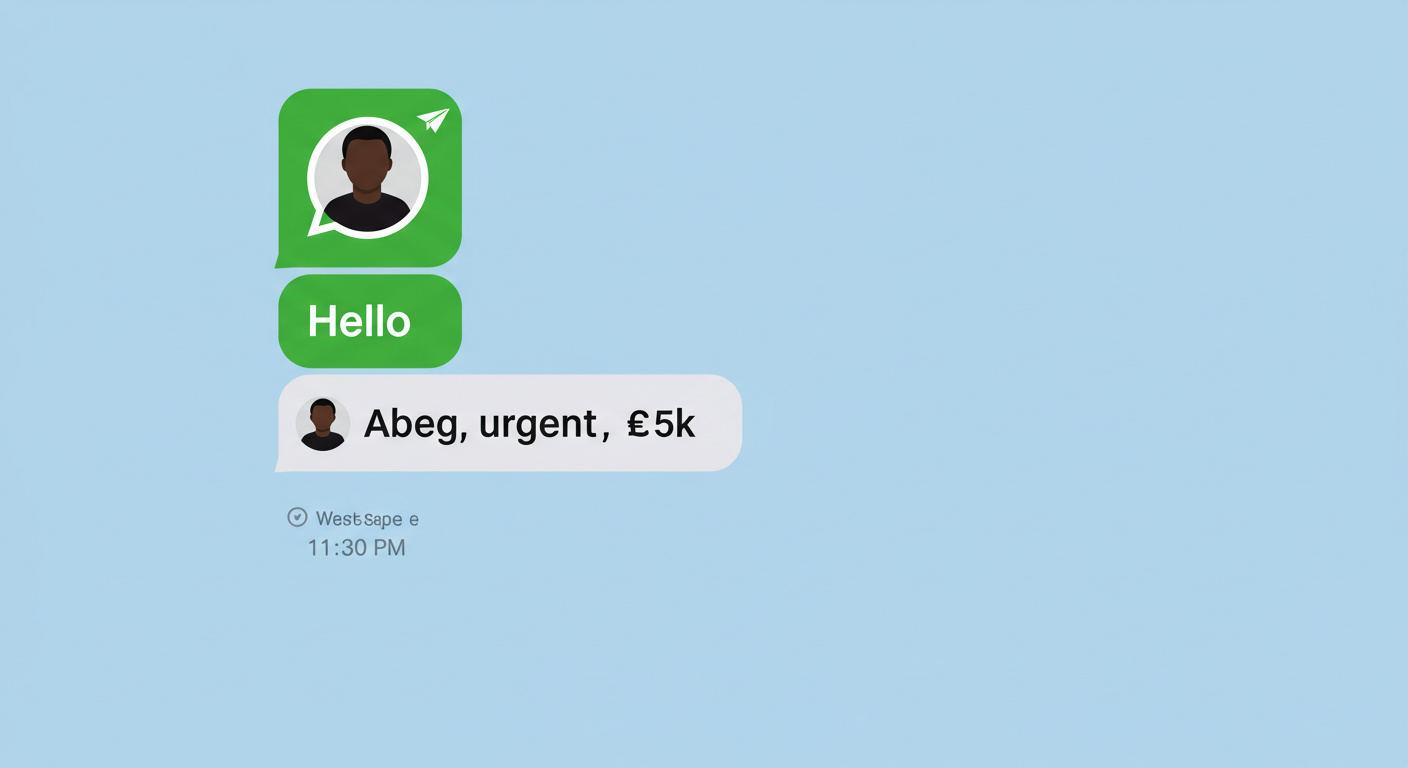
“Abeg, run me small something.”
If you’re Nigerian, chances are you’ve seen this message light up your phone at least once—usually late at night or on a random weekday when your own bank app is already stressing you. Sometimes it’s a cousin with “urgent ₦5k” needs, other times it’s a friend who swears they’ll pay you back after salary drops. Spoiler alert: salary will drop, but your money may not return.
In Nigeria, borrowing money isn’t just a one-off request—it’s part of the culture. Friends lean on each other, families expect support, and saying yes feels like duty. But beneath the generosity lies a quiet tension. Because while helping out can strengthen bonds, always saying yes leaves you drained, resentful, and sometimes broke.
Here’s the truth: setting financial boundaries doesn’t make you wicked—it makes you wise. And if we want sustainable relationships, those boundaries are not optional—they’re necessary.
Why Borrowing Feels Like Culture, Not Just Crisis
In many Nigerian homes, money is not really yours—it’s “ours.” Salary doesn’t just belong to the earner; it stretches to cover siblings, parents, cousins, even that uncle who suddenly remembers your number when school fees are due. The idea of personal financial privacy feels almost alien, because culturally, money has always been tied to community.
This borrowing culture didn’t emerge from nowhere. Nigeria’s tough economy has made survival a group project. Friends spot each other for food and transport, roommates borrow for data subscriptions, colleagues ask for “urgent ₦2k” till payday. On one level, this creates solidarity—you know someone always has your back. But over time, the line between genuine need and casual entitlement gets blurry.
The hidden costs creep in quietly. Lending that never gets repaid leads to silent resentment. Constant requests create pressure to overextend yourself. Friendships strain, and family ties become transactional. You may even start avoiding calls, not because you don’t care, but because you simply can’t keep up.
So while borrowing feels cultural, it also carries an emotional tax. And until we recognize that, we’ll keep mistaking financial strain for generosity, forgetting that love and loyalty shouldn’t always come with a bank transfer.
Read: How Nigeria’s First Bank Launched (And What We Learned)
When ‘No’ Feels Like Betrayal
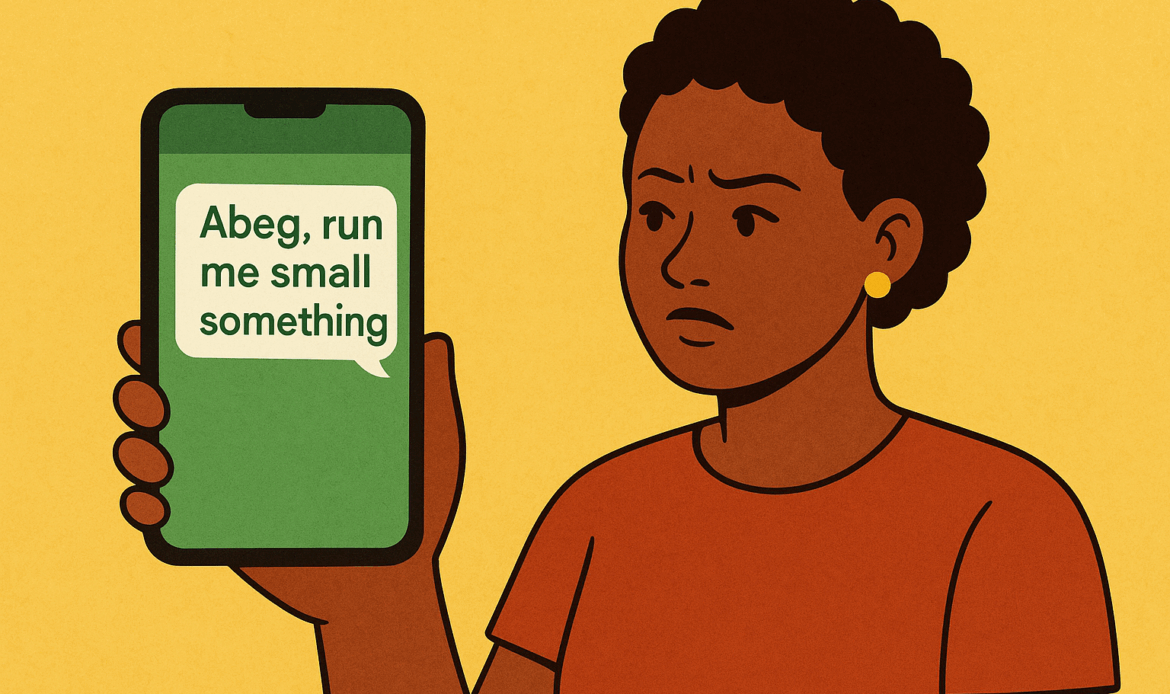
In Nigeria, refusing a money request rarely feels neutral—it feels like betrayal. If you tell family you can’t help, you risk being labeled ungrateful. If you turn down a friend, suddenly you’re wicked or stingy. Even when your refusal comes from genuine lack, the cultural script flips it into a moral failing.
The emotional blackmail is often casual, wrapped in banter. A friend might laugh and say, “So ₦3k go kill you?” A relative might remind you of when they “suffered” for your education, as though every kobo you earn now is repayment for the past. These comments are heavy, because they don’t just ask for money—they question your loyalty, your love, even your identity as a “good” child, sibling, or friend.
The problem is that saying yes out of guilt doesn’t nurture relationships; it poisons them. Each reluctant transfer builds hidden resentment. You may smile as you send the money, but deep down you’re tallying debts—emotional and financial—that were never agreed upon. Over time, this silent bitterness erodes trust faster than any refusal would.
That’s why boundaries matter. A “no” isn’t rejection; it’s protection. It protects your finances, your peace of mind, and ultimately, the very relationships guilt tries to preserve.
Setting Boundaries Without Burning Bridges
The hardest part of managing Nigeria’s borrowing culture isn’t the money—it’s the relationships. Nobody wants to lose friends or be branded “stingy” by family. But the truth is, you can set financial boundaries without turning into the villain of the story.
One way is by creating a “generosity budget.” This simply means setting aside a small, fixed amount each month for helping others. When that fund is finished, you can politely explain that you’ve already stretched your budget for the month. This keeps you from over-giving while still making space for compassion.
Communication is equally key. A refusal doesn’t have to sound harsh. Instead of saying, “I don’t have money,” you might say, “I’d love to help, but I can’t give cash right now. However, I can support you in another way.” Sometimes non-cash support—like helping someone update their CV, sharing a free resource, or connecting them with an opportunity—is more valuable than the ₦2k they asked for.
And remember: you don’t owe anyone a financial report to justify your no. The habit of explaining down to the last naira only invites debate. A simple, firm, and respectful boundary is enough. Because at the end of the day, generosity isn’t about draining yourself to prove love—it’s about giving in ways that are healthy, sustainable, and true.
Read: End-of-Year School Fees: How to Plan Smart in August
Las Las, Your Peace First
At the end of the day, your peace is worth far more than people-pleasing. True generosity isn’t measured by how often you empty your account—it’s measured by giving from a place of strength, not guilt. Boundaries aren’t selfish; they’re the framework that allows your kindness to last longer.
This week, try setting up a simple “help budget,” no matter how small, so that you give with intention, not pressure. And when it’s spent, allow yourself the freedom to say no without guilt. You can love your family, support your friends, and still protect your financial health. Remember: you don’t have to go broke to prove you care.