
For a long time, sustainability conversations in Nigeria mostly focused on energy, climate policy, recycling campaigns, or agriculture. Creativity was rarely included in those discussions. That is beginning to change.
Across fashion, visual art, and design, a growing number of Nigerian creatives are proving that sustainability can also be practical, profitable, and culturally relevant. What makes this shift interesting is that many of these creators are not approaching sustainability as a marketing angle. They are building entire creative processes around waste reduction, ethical production, and material reuse.
And in many ways, they are redefining what modern African creativity can look like.
One example is Tuntunre, a newly launched sustainable fashion brand founded by Temilade Salami. The brand transforms discarded denim waste into premium fashion accessories, giving old materials entirely new life. In a country where thousands of tonnes of textile waste are generated daily, the idea feels both creative and necessary.
What stands out is not just the upcycling itself, but the thinking behind it. Reclaimed denim is combined with biodegradable raffia and discarded coconut shells to create functional pieces that still feel premium and contemporary.
That approach reflects a wider shift happening across Nigeria’s creative space.
Read: The Gap Between Art School and Sustainable Artistic Careers
Waste Is Slowly Becoming Raw Material
Some of the most interesting Nigerian creatives today no longer see waste as something to be discarded. They are treating it as raw material for innovation.
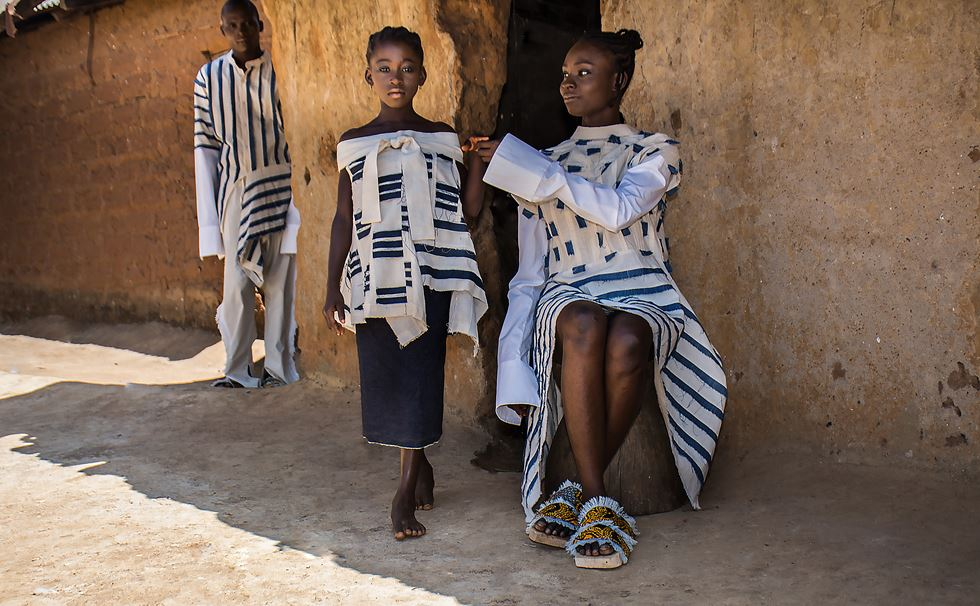
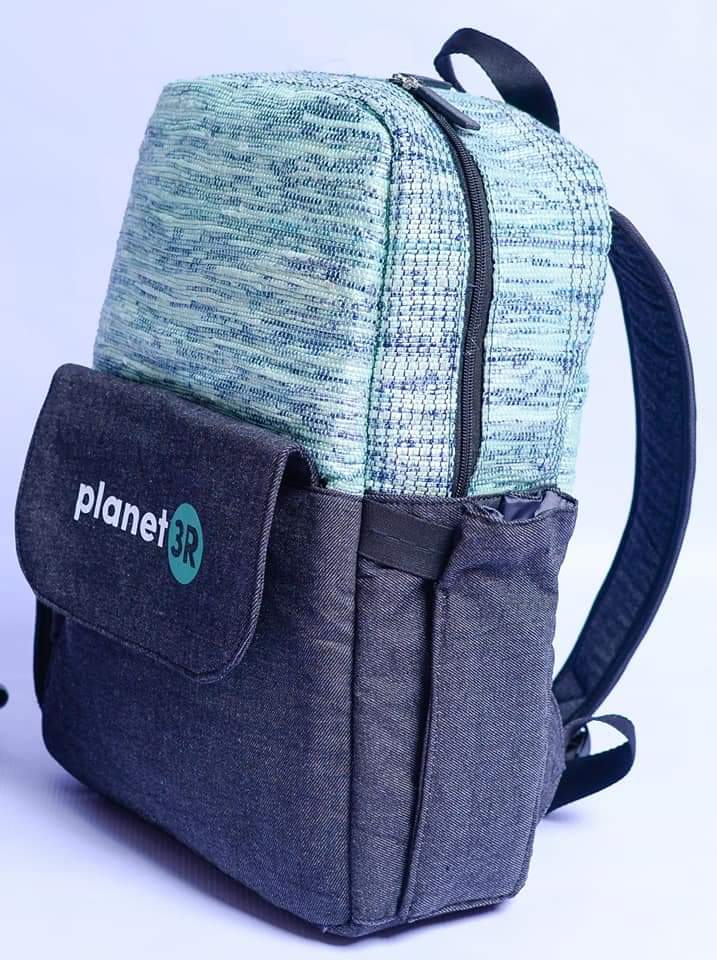
Designer, Nkwo Onwuka, has become widely recognised for developing Dakala, a fabric created by reworking discarded textile scraps into entirely new materials. Similarly, Adejoke Lasisi of Planet 3R transforms discarded nylon sachets and plastic bottles into woven fashion pieces, bags, and mats.
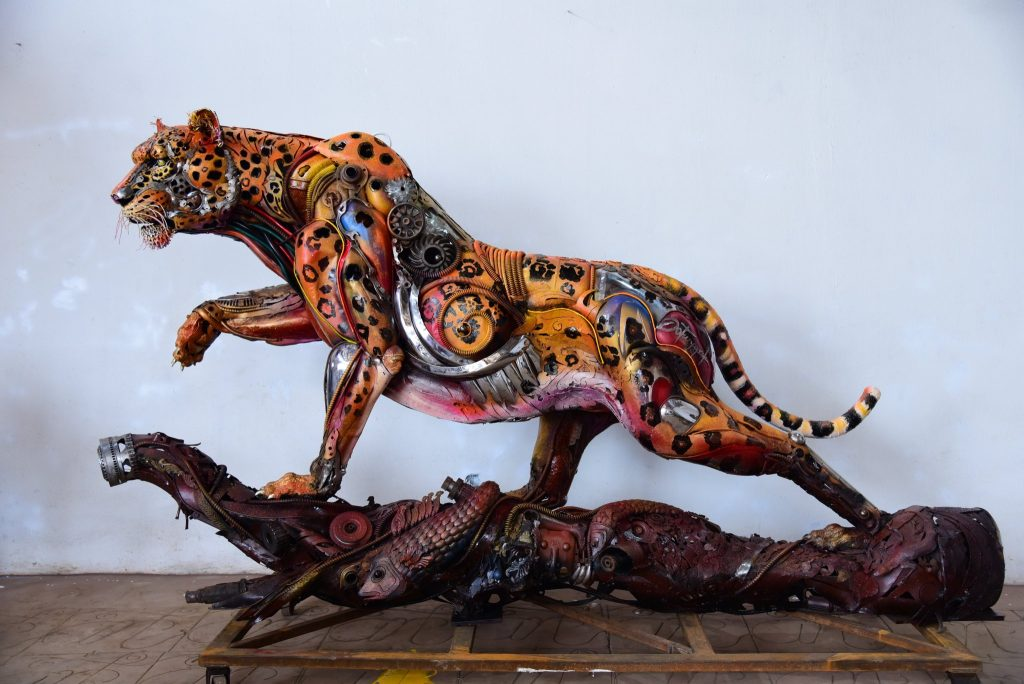
In the visual art space, artists like Dotun Popoola are creating large-scale sculptures from scrap metal, old pipes, and abandoned mechanical parts. In contrast, Chibuike Ifedilichukwu creates detailed portraits using aluminium cans and plastic waste.
What makes these creatives important is not simply the materials they use. It is the fact that they are changing how audiences think about value, consumption, and creativity itself.
An old textile becomes luxury fashion. Discarded plastic becomes art. Scrap metal becomes cultural storytelling. That shift matters because sustainability becomes easier to engage with when people can actually see it, wear it, and emotionally connect to it.
Read: Meet the Minds Behind the CraftVantage Vision
The Future of African Creativity May Be More Circular Than We Think
For years, sustainability and luxury were often treated like opposites. Today, many Nigerian creatives are proving they can exist together.
The broader message here is not that every artist or designer must suddenly become an environmental activist. It is that creative industries are beginning to rethink production, waste, materials, and long-term impact in smarter ways.
And that conversation is arriving at the right time.
As global audiences become more conscious about ethical production and environmental responsibility, creatives who understand how to combine sustainability with strong storytelling may become some of the most influential voices shaping the future of African creativity.
The question now is no longer whether sustainability belongs in creative industries. It is how far Nigerian creatives can push the idea from here.
Which Nigerian eco-conscious creative or brand do you think deserves more attention right now?