

If you’ve ever hinted at going to therapy in a Nigerian household, chances are you were met with side-eyes, scripture, or that classic line: “So you want to pay someone to talk?” For many of us, therapy felt like a foreign concept—something for oyibo celebrities, TV characters with too much time, or the extremely traumatized. Not for you, not for us.
You were told to pray about it, tough it out, or bury it under productivity. So you did. You swallowed the sadness, masked the anxiety, and called the numbness “normal.” But the truth is, strong doesn’t mean silent. And surviving is not the same as healing.
As Gen Z, we’re the in-between generation—raised in resilience, but waking up to a desire for rest, for clarity, for something more than just managing. And maybe, just maybe, therapy isn’t some indulgent oyibo pastime. Maybe it’s the exact thing we need to start choosing peace without shame.
Therapy Is Not a Luxury — It’s a Lifeline
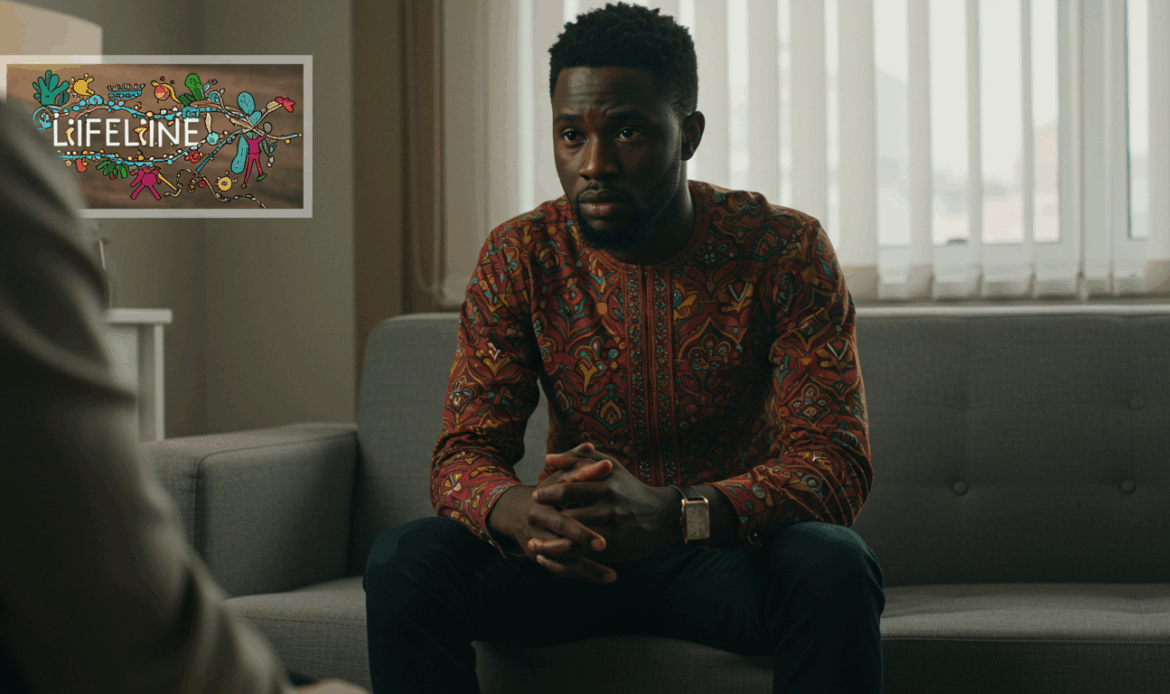
Let’s be honest: being young and Nigerian can feel like running on a treadmill that’s always speeding up. NYSC stress. Rent stress. JAPA or stay stress. Family expectations. Low pay. High data costs. And somehow, you’re supposed to “keep it together.” We joke about “sapa” and trauma on Twitter, but beneath the memes, it’s getting heavy.
The truth is, a lot of us are silently burning out. You go from task to task, hustle to hustle, with this ache you can’t name. But therapy? It still feels like a far-fetched solution. Isn’t that for people with “real problems”? Isn’t it expensive? Or worse—won’t it make you seem weak?
The lie that therapy is a luxury keeps too many people from accessing what could save them. Therapy isn’t just for breakdowns or crises. It’s for the person who can’t sleep but doesn’t know why. For the one who smiles all day but cries when the house gets quiet. For the one who functions fine but feels deeply unwell.
You wouldn’t wait until your teeth are falling out to see a dentist. So why wait until your heart is breaking to ask for help? Therapy is healthcare. Mental healthcare. And your peace is not optional—it’s essential.
Read: Outdoor Activities: The Benefits for Physical and Mental Health
But What Will People Say? — Fighting Cultural Silence
In many Nigerian homes, mental health is either a taboo or a joke. You’re not depressed; you’re “just tired.” You’re not anxious; you’re “thinking too much.” You don’t need therapy—you need to “man up,” “pray more,” or “snap out of it.” And the scariest part? Most of us start to believe that.
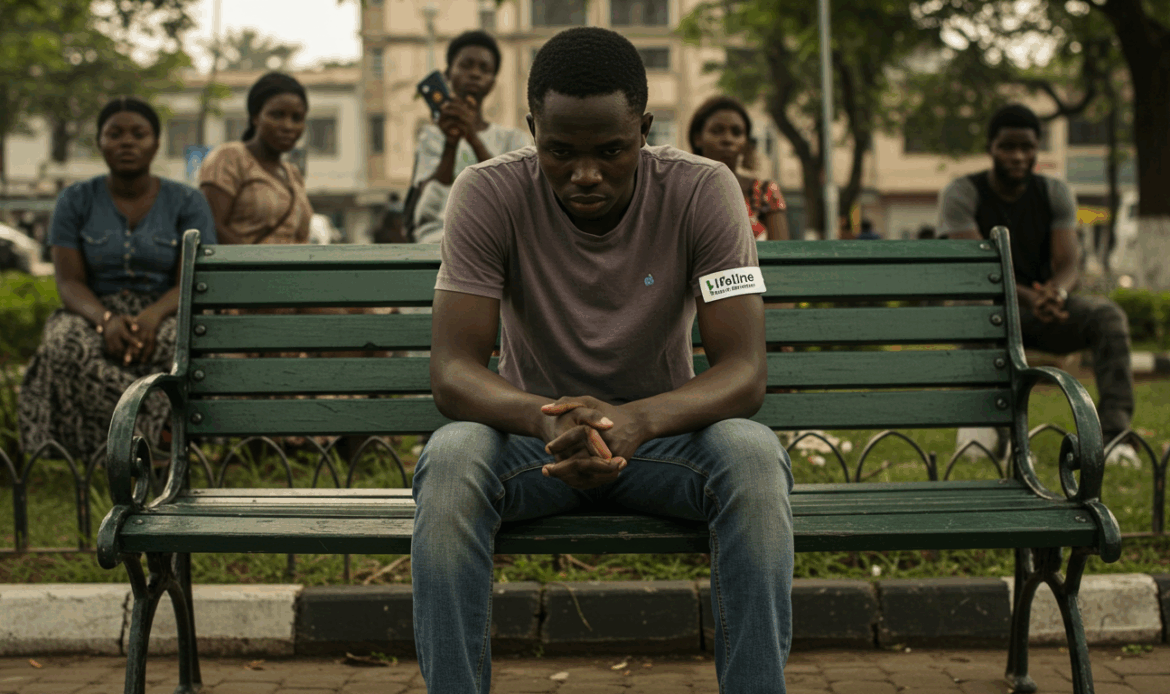
You keep things quiet because the fear of being labeled “crazy” or “unserious” is louder than your need for relief. In church, mental struggles are seen as spiritual weakness. In families, vulnerability is treated like betrayal. You’re the firstborn? Then you must be strong. You’re a man? Be a provider, not a feeler. You’re a woman? Endure, don’t complain.
This is the silent weight Gen Zs are trying to drop. We’re craving spaces where it’s okay to say, “I’m not okay.” Therapy creates that space. Not because the therapist will hand you solutions, but because being heard—fully, honestly, without interruption—is its own kind of medicine.
Cultural silence is killing people softly. But every time one of us says, “I started therapy,” or even “I need help,” we crack that silence open just a little more. We don’t just break stigmas—we give others permission to speak up too. And no, going to therapy doesn’t mean you don’t respect your culture. It means you’re learning to respect yourself. Healing is not rebellion—it’s self-respect.
Healing Isn’t White — It’s Human
One of the biggest misconceptions we’ve inherited is that therapy is a white thing. But healing isn’t cultural appropriation—it’s a human necessity. Long before modern psychology, our ancestors had ways of processing pain: storytelling, community circles, herbal traditions, spiritual rituals. Therapy, at its core, is just structured reflection—and that’s not foreign to us.
The good news is, today’s therapy spaces are evolving. There’s a growing wave of African and Black therapists who “get it”—people who understand why you feel responsible for your siblings, why asking for help feels like betrayal, or why you can’t afford to fall apart, even when you’re falling inside.
Some therapists blend faith with psychology. Others infuse cultural sensitivity with clinical training. There are peer-led support groups, IG therapists who post affirmations that feel like hugs, and online platforms like MyTherapist.ng or SheWritesWoman that connect you with professionals who won’t ask, “What’s suya?”
Healing isn’t something white people invented. It’s something we all deserve. It’s time we stopped waiting for validation before caring for our minds.
Read: Common Misconceptions About Mental Health
You Deserve to Feel Seen and Safe — That’s Not Too Much
Let’s get one thing straight: asking for help does not make you weak. Wanting peace of mind is not dramatic. Wanting clarity is not a luxury. You are allowed to heal. You are allowed to rest. You are allowed to want more than just survival. Therapy isn’t about fixing you—it’s about helping you understand you. The version of you behind the hustle. The one that shows up, even when tired. The one that deserves softness, too.
So here’s a small step: follow one Nigerian therapist on Instagram this week. Or journal about how you’ve been really feeling lately—without filters, without shame. If you feel brave enough, talk to someone. Let them know you’re not okay—and that you’re working on it. Because healing isn’t one big moment. It’s a series of small, brave decisions. And the first is believing this truth: you are not too much to care for