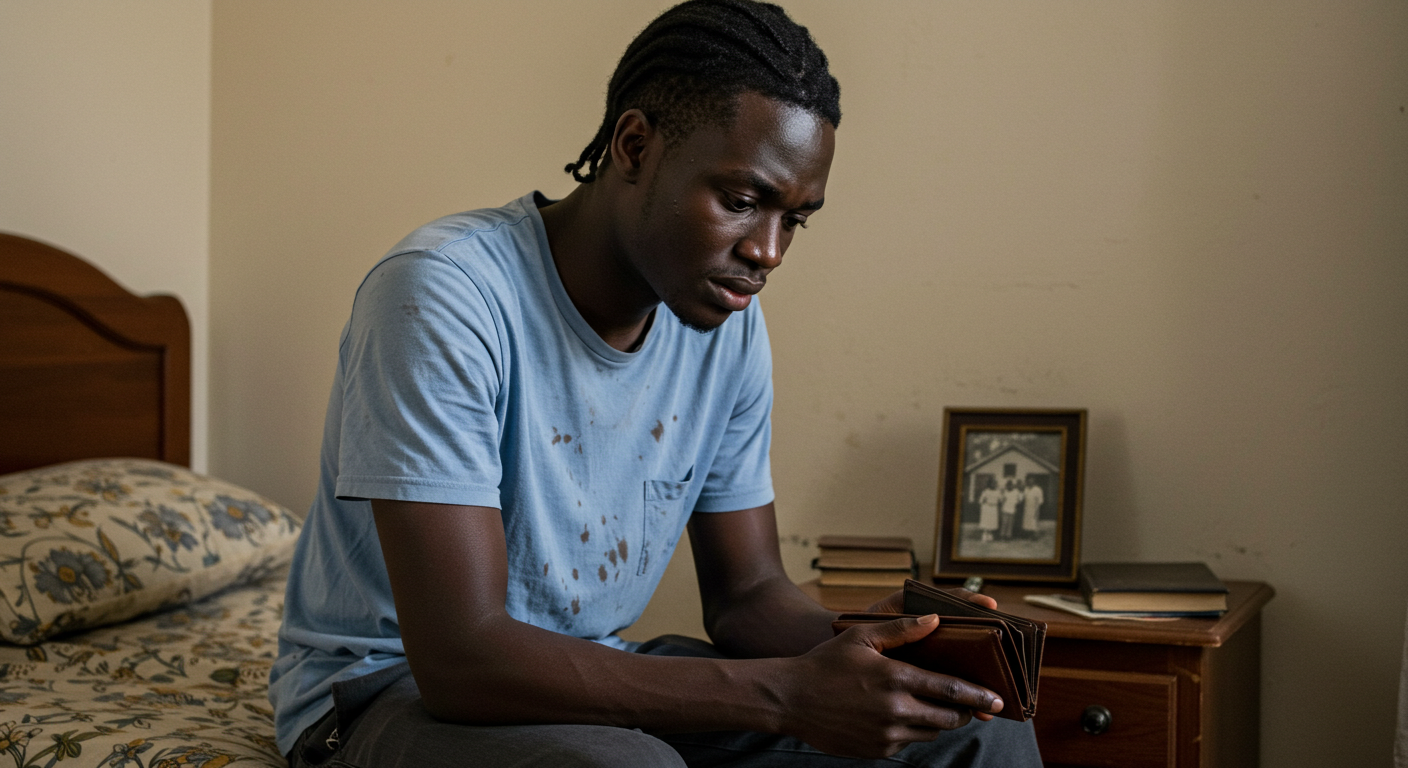
There’s a moment many of us remember—sitting quietly while our parents whispered about rent, or watching your mum stretch ₦1,000 to feed five people. Maybe you were that child who knew not to ask for new shoes during third term. You learned early that money was loud when it was missing, and silent when it was needed most.
If you’re Gen Z or a millennial in Nigeria (or across Africa), money wasn’t just a tool—it was a source of stress, shame, and sometimes survival. And now that you’re older, earning, and trying to “adult,” the trauma doesn’t disappear. Instead, it shape-shifts: into impulsive spending, avoidance of budgeting, or that deep anxiety that hits after paying your bills—even if you can afford them.
Here’s the thing: your money wounds are real. They were formed in real homes, during real crises, and through real sacrifices. But here’s the hope—while money trauma is valid, it’s not permanent. You can’t heal what you won’t name. So let’s name it, feel it, and then start building something healthier.
Read: How to Stop Your Bank App from Surprising You Every Morning
You Grew Up Hearing ‘There’s No Money’ — Of Course You Overspend Now

Let’s unpack something a bit uncomfortable: the way you handle money now often mirrors the emotional environment you grew up in. If “there’s no money” was the soundtrack of your childhood, it rewired how you relate to cash today.
Maybe you hoard your money but still feel broke. Maybe you earn ₦300k and spend ₦290k in the first week because it feels like the money isn’t really “yours.” Or maybe you reward every stressful day with an impulse buy on Jumia or an Uber Eats order you don’t need—because it feels like survival deserves a treat.
This isn’t laziness or lack of discipline. It’s your brain trying to protect you from old feelings of lack. When you grow up watching your family juggle needs and silently carry stress, you internalize fear. That fear doesn’t just go away—it morphs. It whispers, “You might not have this again, spend it now.” It tells you, “You’re not safe unless you can control every kobo.”
But here’s the truth: your habits aren’t random—they’re protective. They’re coping. And once you realize that, you can stop blaming yourself and start shifting slowly. Healing begins when you understand that your overspending isn’t irresponsibility—it’s a story. And stories can be rewritten.
Soft Life Guilt Is Real — But It’s Not Helping You Save

Let’s talk about this weird emotional trap we don’t name enough: soft life guilt. You see your mates on TikTok taking spa days and eating brunch in Lekki, and you think, “I deserve that too.” And you’re right. But the moment you try to do it, something in your chest tightens. You either feel guilty for resting or ashamed because your account balance doesn’t match the soft life aesthetics.
Here’s the catch: for many of us, “enjoyment” comes with emotional baggage. We were taught that rest is for the rich or for later in life—after suffering. So even when you can afford small pleasures, your brain tells you you’re being reckless. The result? You either spend and spiral or you deprive yourself and resent everyone else.
This guilt-driven cycle does more damage than you realize. You end up spending impulsively to “reward” yourself, then panic-saving the next month like you’re in financial rehab. And the shame? It keeps you from asking for help or being honest about where your money is actually going.
But what if soft life wasn’t the enemy—what if your definition of it just needed to change? Instead of associating comfort with recklessness, try this: soft life means planned peace. You can buy that body oil or budget for that lunch date—without wrecking your rent money. Freedom isn’t in avoiding enjoyment—it’s in learning to design it.
Read: Are You Financially Toxic? Let’s Talk Habits That Keep You Broke
Financial Healing Isn’t Just Earning More — It’s Feeling Safe With Money
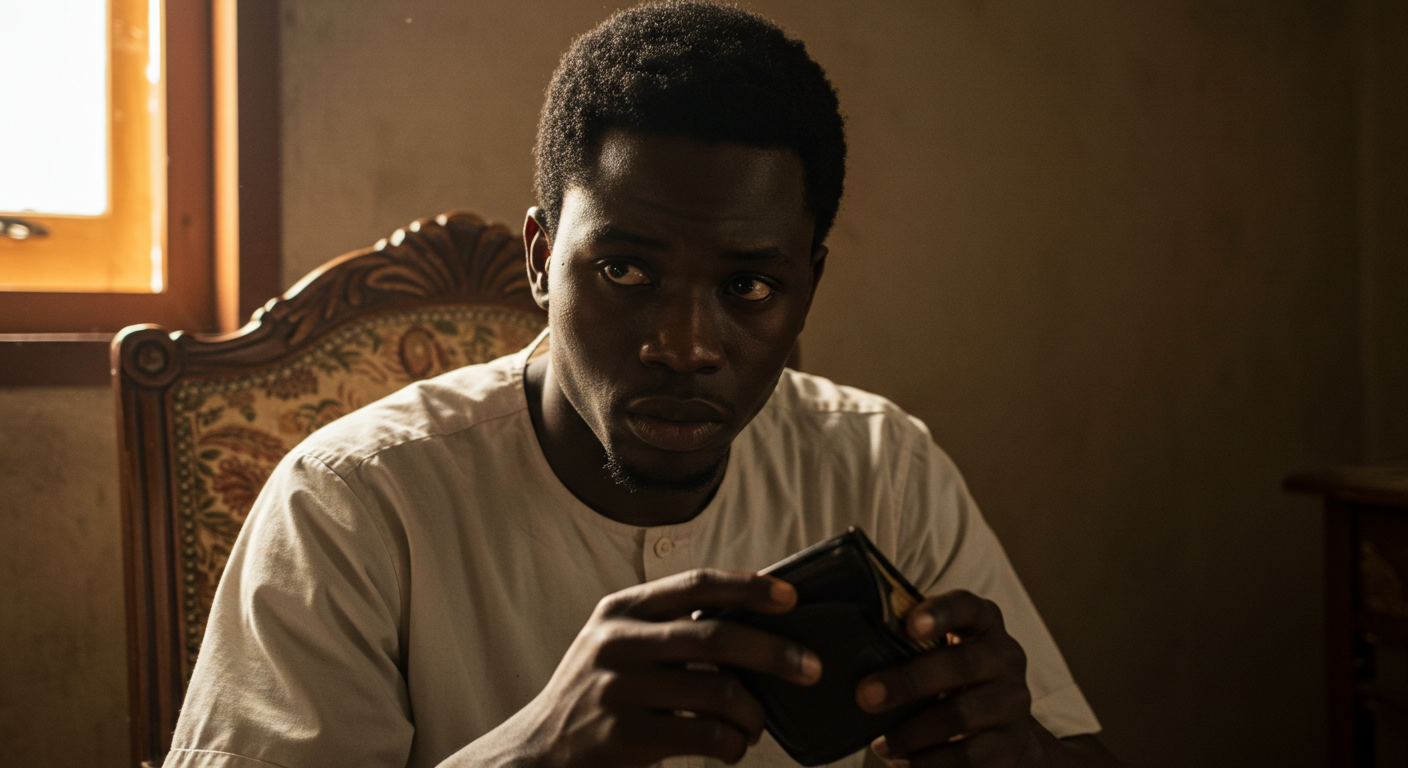
There’s a myth we need to delete from the group chat: “Once I start earning more, I’ll be good with money.”Let’s be real—many of us have earned more at some point and still felt broke. That’s because the problem isn’t just your income. It’s your relationship with money. And if that relationship is built on fear, avoidance, or shame, more money won’t solve the root.
Here’s what it looks like: you avoid checking your bank balance because it makes your chest tight. You tell yourself your debts aren’t that bad—until a reminder email drops. You ghost your budget by mid-month, hoping “future me” will handle it. That’s not a math problem—it’s emotional.
To heal financially, you need to feel safe with money. And that safety starts with awareness, not shame. Start by having a weekly “money date” with yourself. Light a candle, sip zobo, and open your budget app. Journal about how money made you feel this week. Celebrate even the smallest win: “I didn’t order food three times this week!”
Financial healing isn’t about perfection—it’s about progress.
Your Healing Starts Small — But It Starts With You
You are not bad with money. You’re just carrying memories, habits, and lessons that weren’t yours to begin with. Your parents did what they could. Society told you what it knew. And now it’s your turn to choose something different.
Money trauma is real—but it doesn’t get the final say. You can heal. You can rewrite your story. And it doesn’t have to start with ₦500k in savings or ten streams of income. It can start right now—with a journal entry, a budget check-in, or a deep breath after paying your bills without fear.So here’s one small action: write down your earliest memory of money—good or bad. Ask yourself how that shaped your current money beliefs. Awareness is where healing begins.
Then share this with a friend. Let them know they’re not alone either. Because Gen Z isn’t financially broken—we’re just emotionally overdue for clarity.