
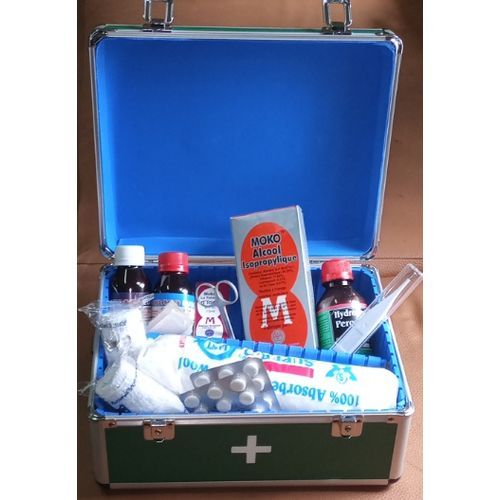
Have you tripped on the veranda while playing football, your knee scrapes the floor, and before you can even cry, someone has already shouted the famous Nigerian line: “Quick, bring spirit!” Or maybe it’s in the kitchen, knife slips, finger bleeds, and the first thing that comes to mind is to dab methylated spirit on it because—well, that’s what everyone does.
For decades, methylated spirit has been the superstar of every Nigerian first aid box. From school sickbays to mothers’ handbags, it’s been our go-to solution for cuts and bruises. The sting is almost part of the healing ritual. After all, if it burns, then it must be working, right?
But here’s the question we hardly ask: is cleaning wounds with spirit actually the right thing to do? Or have we, as a nation, been doing first aid wrong all this while?
The Myth of Methylated Spirit
If there’s one thing almost every Nigerian household agrees on, it’s that methylated spirit belongs in the first aid box. For generations, we’ve trusted it—alongside iodine tincture—as the ultimate cure for fresh cuts, bruises, and scrapes. Ask your parents, and they’ll tell you how spirit was the first line of defense back in the day. Even school nurses seemed to wield it like magic water, ready to pour or dab at the slightest hint of blood.
Part of its popularity is simple: it’s cheap, easy to find at any chemist, and gives that sharp, burning sting when applied. In our minds, the pain was proof that it was killing germs. If it hurt, then surely it must be working, right? That logic cemented its place as the “official wound treatment” in many homes.
But here’s the twist: just because something has been done for years doesn’t automatically make it correct. Science has caught up with tradition, and what researchers and doctors now know is that methylated spirit isn’t the wound-healing miracle we thought it was. In fact, its effects on fresh wounds may be doing more harm than good.
Read: How African Practices Clash (and Sometimes Align) With Modern Health
Why Spirit Isn’t the Best Choice
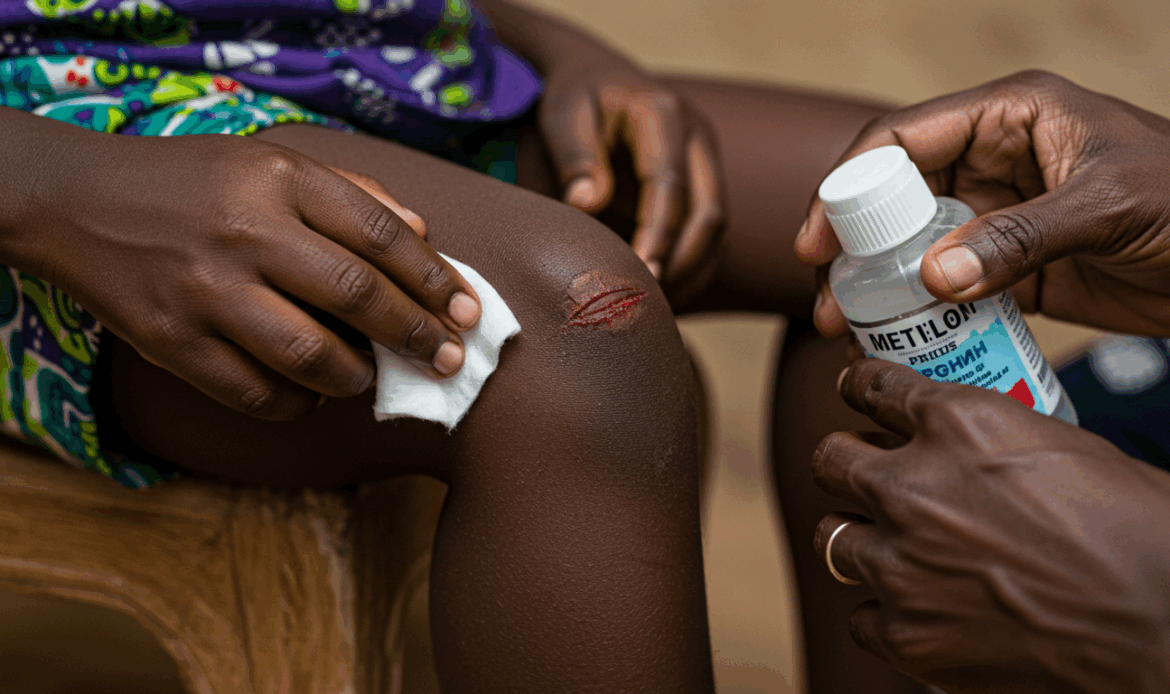
Here’s the truth: methylated spirit does kill germs. That’s why people first believed it was the perfect weapon for wounds. But what many don’t realize is that spirit doesn’t just kill bacteria—it also damages the healthy skin cells your body needs to start the healing process. Think of it like trying to chase a thief out of your house by burning the whole building. Yes, the thief is gone, but now you’ve also destroyed your own property.
And let’s talk about the sting. That sharp pain you feel when spirit touches an open wound isn’t a sign of healing—it’s a sign that your healthy tissues are being irritated. Doctors warn that this constant irritation can delay wound healing, cause persistent bleeding, and even leave the wound more exposed to infection instead of protecting it.
Experts have also raised concerns about other popular “first aid liquids” we grew up with. Iodine tincture, for instance, is more acidic and can burn the wound bed, while hydrogen peroxide—another common option—may damage the very cells needed to repair the skin. In the long run, these substances often do more harm than good.
So while spirit, iodine tincture, and hydrogen peroxide all sound “medical” and give the impression of cleaning, they’re not the best choices for treating fresh cuts. What you really want is something that cleans gently without attacking the body’s natural healing system.
So What Should You Use Instead?
If spirit and its cousins aren’t the heroes we thought, what’s the right move when you get a cut? Surprisingly, the answer is much simpler than most people expect: clean, gentle care.
For small cuts, the best thing you can do is rinse the wound under clean, running water. Water helps flush out dirt, dust, or tiny stones that may have entered the skin when you got injured. It doesn’t sting, it doesn’t irritate, and it gives your body the clean surface it needs to begin the natural healing process. If the wound looks dirty, you can use a mild soap around (not inside) the cut, rinse again, and then gently pat dry with a clean cloth or sterile gauze. After that, cover the area with a plaster or bandage to protect it from germs. That’s it—no drama, no burning.
For bigger wounds—especially those that keep bleeding, are deep, or caused by rusty/dirty objects—the safest option is to see a healthcare professional. They can clean it properly, assess the risk of infection, and decide if you need stitches or a tetanus shot.
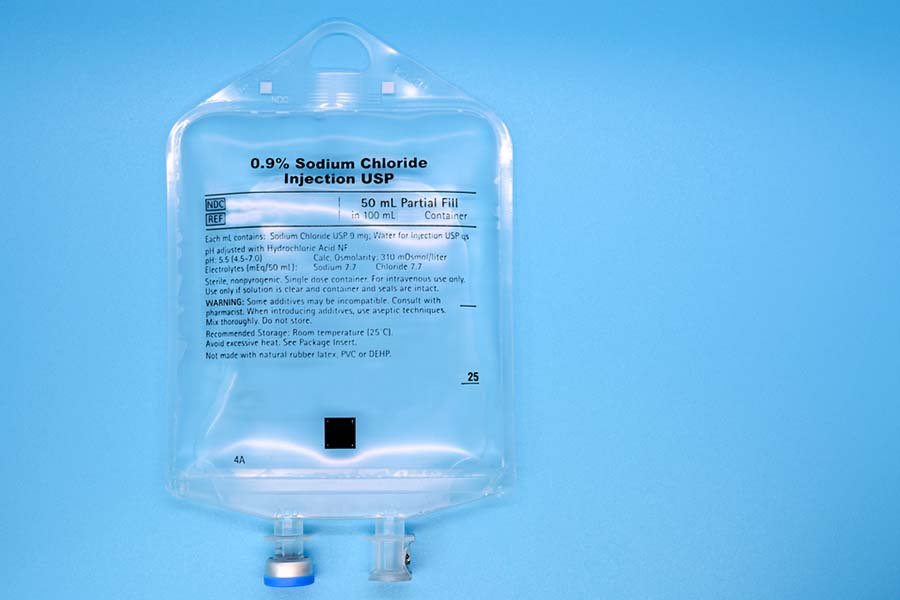
Now, what about safe alternatives to spirit? Medical experts recommend normal saline solution (basically sterile salt water) or povidone-iodine. Both are gentle, effective at cleaning, and don’t damage healthy tissue. And no, povidone-iodine is not the same as the old-school iodine tincture your grandmother used—it’s a safer, water-based form designed for wound care.
The key takeaway? Not every liquid in the pharmacy is meant to go on your skin. Some are for disinfecting surfaces, some for sterilizing tools, and only a few are actually safe for open wounds. Knowing the difference can mean faster healing and fewer complications.
Read: 6 Nigerian Breakfasts That Don’t Spike Sugar
When to Seek Medical Help
Not every cut can be handled at home. There are certain red flags that mean it’s time to drop the spirit bottle and head straight to a clinic.
If a wound is deep or keeps bleeding even after pressure, don’t waste time trying to “manage it” yourself. That’s your body telling you it needs professional attention. Another warning sign is when a wound starts producing pus or has a bad smell—these usually mean infection is setting in and require medical treatment.
Cuts from dirty or rusty objects (like nails, barbed wire, or metal roofing sheets) are especially risky. In these cases, the danger isn’t just infection but also tetanus—a potentially deadly condition that affects the nerves and muscles. If you can’t remember the last time you had a tetanus shot, a trip to the hospital is non-negotiable.
Bottom line: small scratches may heal fine at home, but bigger, deeper, or dirtier wounds deserve a doctor’s eyes. Quick action could save you from bigger problems later.
Takeaway
At the end of the day, methylated spirit has its uses—it’s great for disinfecting surfaces, tools, or even your hands before an injection. But on an open wound? Not so much. What your body really needs is gentle care: clean water to flush out dirt, a mild dressing to keep germs away, and medical attention when the wound is beyond “small cut” territory.
It may feel strange to abandon what we grew up with, but health isn’t about tradition—it’s about doing what works best. So next time you reach for that purple bottle, pause and remember: Don’t let old habits scar you—treat your wounds the right way.